Summary
A treasured sewing box prompts a grandmother’s memories of candlelit repairs and preparations for motherhood. Then a few hidden milk candies reveal another way it continues to carry her affection.
At a glance
To her grandchild, the grandmother’s sewing box holds a history of care: carefully rationed repairs for younger siblings, abundant baby clothes during pregnancy, and sweets hidden among sewing supplies in later life. Its changing contents reflect improved living conditions alongside the physical limits of aging. The grandchild tentatively sees its small tokens of happiness as a fitting ending to decades of work.
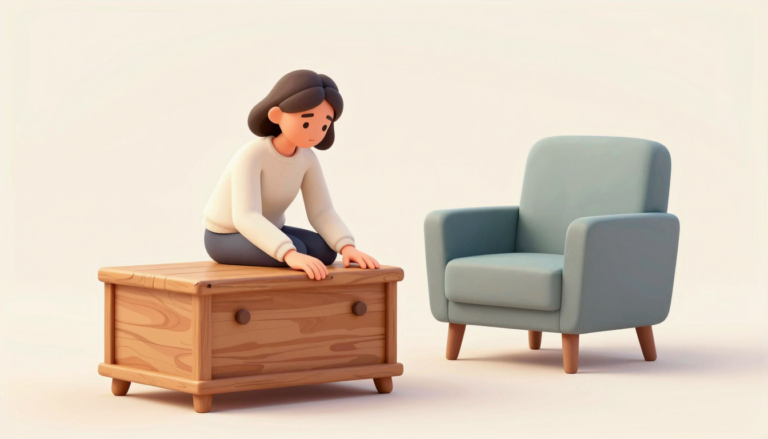
The grandchild who tells this family story grew up watching their grandmother squint over her sewing. Throughout childhood and into later years, they would fetch the particular buttons and thread she requested from her treasured sewing box. Otherwise, she would not let them handle it.
Their curiosity deepened with age. One day, finding their grandmother resting quietly on the sofa instead of sewing, they brought the box to her and begged to hear its story. She smiled, closed her eyes, and began.
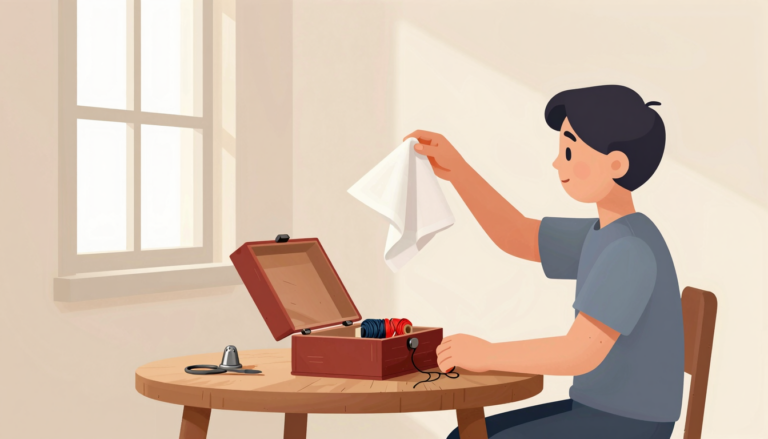
She recalled her adolescence, when her parents were busy earning the family’s living. As the eldest child, she had to look after her younger brothers and sisters on her own. Mornings began with housework. Before bed, she carefully checked the whole family’s clothes for wear and patched the worst damage with scraps of fabric.
During those years, she made the sewing box to keep her loose supplies together. It held only dull-colored buttons and thread, along with scraps left from the family’s new clothes made at the beginning of the year. Supplies were so limited that even a repair required careful planning. With no electric light available for the work, she mended bit by bit beside a candle. Sometimes there were so many garments that dawn was breaking by the time she finished.
Listening, the grandchild pictured a girl beside a candle, measuring with her hands and cautiously choosing materials from the little box. They wondered whether, on many nights, it might have been her only companion. To them, her resourcefulness, hard work, and resilience through poverty had helped give her younger siblings a happy childhood. When they remarked on how hard those years must have been, their grandmother answered only with a faint smile.
Her story continued into the years when living conditions gradually improved and she started a family of her own. In the 1980s, delighted to be pregnant with the grandchild’s mother, she arranged for someone to buy beautiful buttons and threads, filling the box. Throughout her pregnancy, she embroidered one little garment after another for the child she was expecting.
More than a decade earlier, she had needed to ration every bit of material to keep the family’s clothes wearable. Now she could reach for bundles of thread and beautiful buttons, using them freely to make baskets of baby clothes.
As she recalled those preparations, she handled the box beside her, her eyes bright with a sweet smile. The grandchild imagined how she must have wanted the best of everything for her baby, as they believed first-time mothers did: the brightest decorative buttons, the most fashionable patterns, loving attention in every stitch. To them, each garment, individually made and unlike any other, was one of the finest gifts the young mother could give her child.
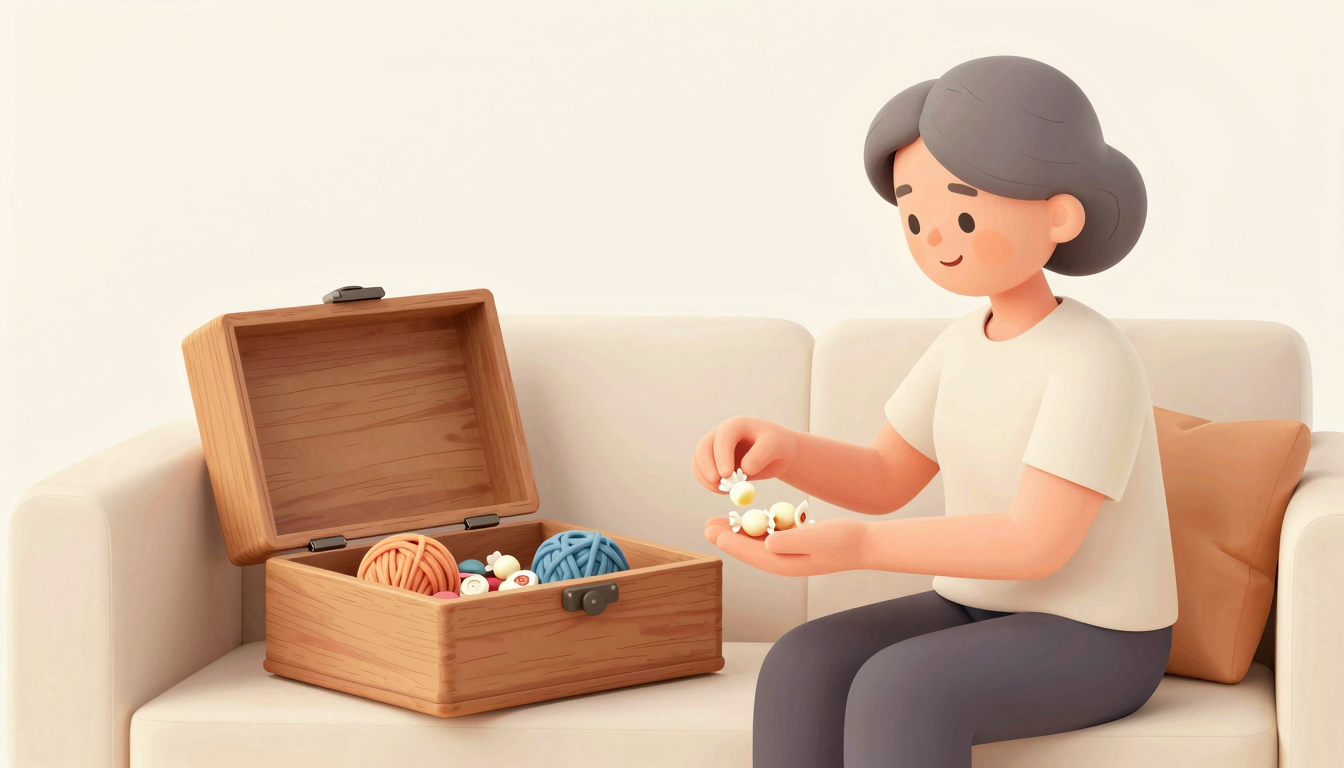
When her stories were finished, the grandmother affectionately patted the box that had accompanied her since girlhood. While the grandchild sat reflecting, she suddenly reached inside and slipped two or three milk candies into their hand, as if producing them by magic.
They were astonished. In all those searches for buttons and thread, they had never noticed any candy underneath. Lifting the box for a closer look, they found buttons in many designs and brightly colored yarn, with sweets carefully placed at the bottom. To the grandchild, those little candies held their grandmother’s love and concern.
Looking at the candies and remembering how the box’s contents had changed, they asked, “Do you think the sewing box will change again? What else might you use it for?”
Their grandmother smiled, nodded, shook her head, and pointed to her eyes. The grandchild understood the gesture in light of how difficult close work had become for her. She still wanted to sew for the younger generations, but her declining near vision frustrated that wish, and her slightly trembling hands could no longer guide the needle with the mastery of her youth.
The grandchild thought of the changes the box had seen through half a lifetime of work: the carefully rationed repairs, the generous making of new clothes, and now the greater leisure their grandmother could enjoy, with sweets tucked among her sewing supplies. Perhaps, they thought, for a box that had shared so many years of labor, holding these small tokens of happiness was already a very good ending to its story.
Frequently asked questions
Why did the grandmother make her sewing box?
She made it during adolescence to organize loose sewing supplies while caring for her younger siblings and mending the family’s clothes.
What did the grandchild discover beneath the sewing supplies?
The grandchild discovered sweets carefully placed beneath the buttons and yarn, interpreting them as an expression of their grandmother’s love and concern.