Summary
Returning in person, working from home and remaining in isolation can bring different pressures. Explore gradual adjustments, manageable goals and boundaries that may support renewed engagement with work or study.
At a glance
During the COVID-19 outbreak, discomfort about work or study may reflect infection concerns, changes in routine, remote demands or prolonged isolation. Depending on your circumstances, manageable tasks, regular sleep, clear stopping times, communication and small rewards may help you reengage gradually. When a safe return is possible still depends on how the outbreak develops and is controlled.
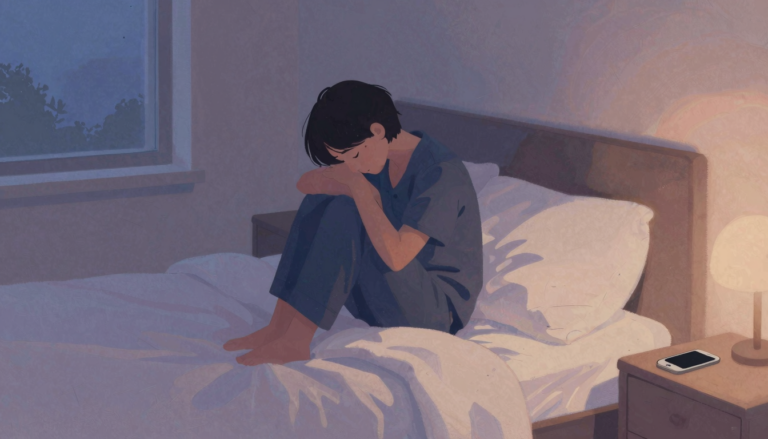
With the COVID-19 outbreak still ongoing, the thought of returning to work or school may leave you tense or physically uncomfortable. Fear of illness and uncertainty can come with irritability, reluctance to do anything, forgetfulness, nausea, dizziness or difficulty concentrating. These can be normal reactions to an exceptional period.
You may be preparing to return in person, working or studying from home, or continuing to isolate without any immediate work or study arrangements. In any of these situations, stress and the particular pressures you face may make it difficult to meet demands that have already arrived or are approaching. Understanding what may be contributing to that discomfort is a starting point for finding ways to reengage. The possible causes—and the adjustments worth trying—differ depending on your circumstances.
Returning to the workplace
If you are returning to your workplace after the holiday, fear and anxiety may center on leaving the relative isolation of home. Could another passenger on public transportation be infected? Is the workplace safe? What risks might you face when you can no longer stay isolated at home for an extended period? A stress response may help explain these worries and the discomfort that accompanies them. Stress can affect emotions, thinking and behavior, as well as bring on physical reactions that disrupt everyday life.
There may also be discomfort at the thought of facing a heavy workload again. You might feel unable to cope, powerless, reluctant to do anything or tense. Difficulty concentrating, poorer memory and insomnia may accompany those feelings. This pattern is sometimes described as “post-holiday syndrome”: physical or psychological discomfort associated with returning to work or school after a long holiday. The demands of resuming work can therefore be a source of distress alongside concerns about infection.
The original writer explains this readjustment through a concept called “dynamic stereotype”: an established pattern of functioning suited to a particular routine. Before the holiday, demanding work or study may have involved sustained concentration, heightened alertness and a particular sleep schedule. These patterns helped you function efficiently within that rhythm. A long holiday brings a different rhythm to adapt to, and returning requires another change. If you have grown used to staying up late and sleeping in, for example, the return means adjusting your sleep schedule again and restoring regular times for sleep and meals.
In this account, each round of adjustment draws substantially on psychological energy and internal resources. The effort of adapting first to the holiday and then back to work or study may leave you feeling unable to face new challenges. Tension, frustration and physical symptoms may accompany that difficulty settling back in, even when the routine you are returning to was once familiar.
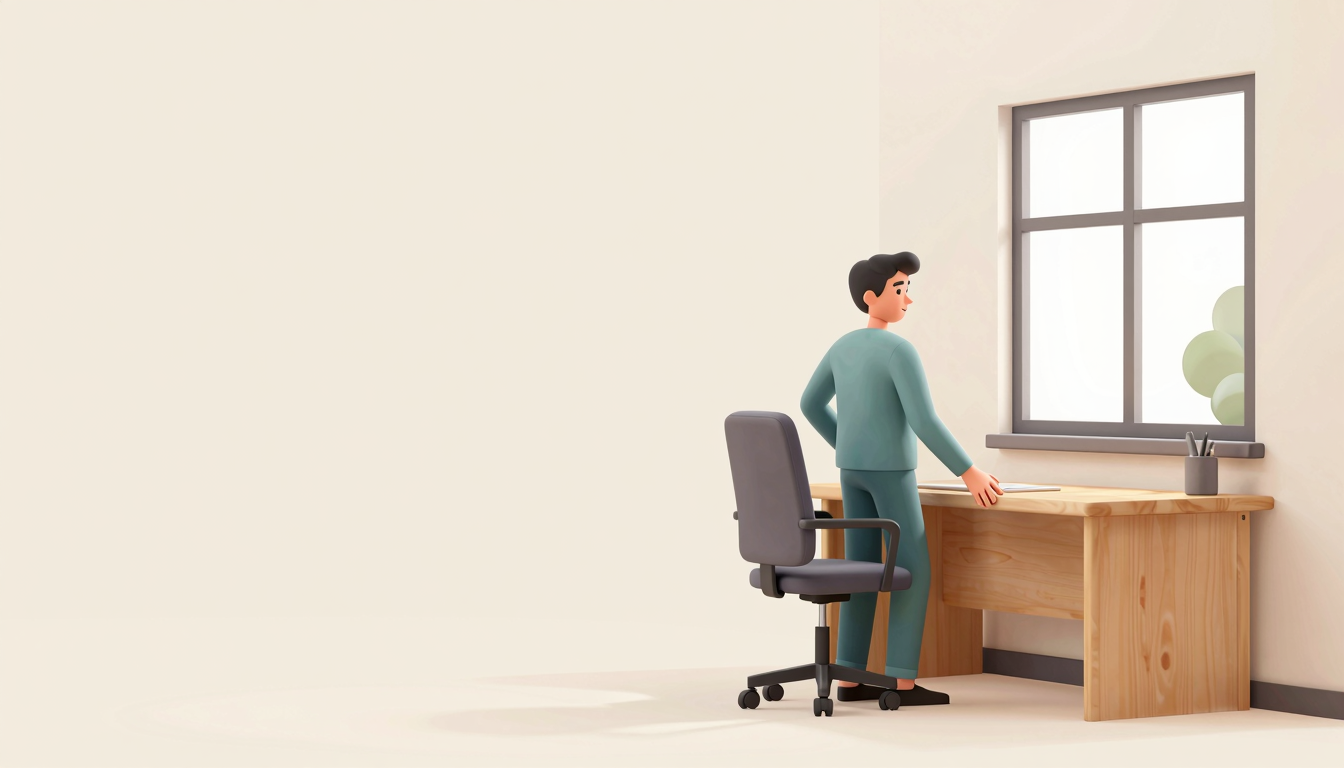
Four adjustments are worth trying. First, give yourself some preparation time before rushing into work. Organize your workstation, air out and clean the office, and adjust your chair to a comfortable position. These small activities are intended to make the setting more pleasant while giving you time to settle gradually back into your pre-holiday working rhythm.
Second, make the day's demands manageable. If your organization or department has a work plan, use it to identify your daily tasks and estimate how long each will take. Leave enough time for anything that requires discussion with other people. If there is no daily plan, make one yourself. Keep the list modest at first: begin with simple, easy tasks, then gradually increase their difficulty and number as you readjust.
The third suggestion is to accept your emotions and give yourself ways to regulate them. While the outbreak remains uncontrolled, emotional reactions are understandable. Reminding yourself that others may be feeling much the same way—a practice called normalization—may ease panic and help you feel less alone, with a sense of shared experience and support. Use breaks to relax and, where possible, reduce your exposure to outbreak-related information to give yourself room to regain emotional balance.
The fourth is to restore regular sleep and reasonable eating habits. Adjust your daily routine, go to bed at a consistent time and eat sensibly. If you feel low, a little sweet food might lift your mood. Within the writer's explanation of readjustment, these habits may help replenish the psychological energy used in adapting, making it easier to settle back into work.
Working or studying from home
Remote arrangements offer a way to keep work and education going during the COVID-19 outbreak, allowing organizations, businesses and schools to continue operating while helping prevent viral transmission. Internet access and modern technology make this possible, and working or learning online may even improve efficiency. Yet continuing from home does not necessarily make the adjustment easy. Alongside stress and post-holiday readjustment, remote work and study can bring difficulties of their own.
Some people describe struggling to work or study at home: the bed makes them want to sleep, the computer makes them want to play, and milk tea, fried chicken, games or TV seem far more appealing than the tasks waiting for them. Without the usual workplace or classroom environment, sustaining effort can be difficult.
The writer explains this partly through “social facilitation.” Seeing other people working or studying may encourage you to settle into your own tasks, whether because you care about their judgment or feel encouraged by their example. Their presence may help you keep going and sometimes improve efficiency or performance. Without that company, some people may ease off and find it harder to maintain momentum and self-control.
A daily task list is one way to try to restore that structure. Set out what you need to complete and manage your time much as you would during an ordinary day at work or school. You might also give yourself a reward, such as buying something you have wanted for a long time or watching a favorite film after work. These rewards may strengthen your sense of being able to accomplish things—your self-efficacy—while also offering a way to care for yourself.
Managing your own attention is only part of the challenge. Working or studying online can also blur boundaries between colleagues or between teachers and students. Being reachable makes it possible to be called on at any time. The writer reports that some businesses and schools extended work or study hours during the outbreak, sometimes requiring regular online check-ins to ensure people remained engaged. These arrangements can feel intrusive and make personal affairs difficult to manage. In the writer's account, intrusions on personal boundaries may strain relationships, reduce efficiency and weaken the willingness to work.
The suggested response is to define a work or study period of your own, equal in length to or longer than the hours specified by your employer or school, and give it a clear stopping point. Once that period ends, stop work- or study-related activities. Rest, watch TV, play games or exercise instead. Having a defined period for tasks and a firm endpoint may help you complete work within the time available, reduce procrastination and ease the distress that comes with feeling your boundaries have been crossed.
Even within those hours, communication can be difficult. The writer cites earlier research reporting that face-to-face communication is generally the most efficient form of exchange and reduces uncertainty. The writer then points to a practical problem with electronic communication: messages can arrive instantly, but people cannot continually monitor their phones and online channels, so exchanges may still be delayed. Missing a message can mean missing key information or misunderstanding what was intended. A conversation may become fragmented, requiring repeated explanations or leaving people exchanging messages without reaching an understanding.
If you receive information you do not understand or are unsure how to interpret, ask the sender for clarification. Check that you have understood correctly and provide feedback in return. This attention to communication is proposed as a foundation for completing tasks and keeping online work or learning running effectively.
Feeling stuck during prolonged isolation
For people remaining at home without immediate work or study commitments, prolonged isolation can bring a different difficulty. Being unable to go out, with little that feels new in daily life, may leave you bored, empty or stuck. Alongside the causes already discussed, the writer suggests that an extended holiday may weaken volition—the capacity to mobilize yourself to act. This explanation draws on three connected psychological processes: cognition, emotion and volition, which shape how people understand the world and respond to it.
Cognition involves perceiving things and thinking about them. During the outbreak, this might mean recognizing the importance of infection prevention, understanding why pandemic conditions require changes to the holiday timetable, and seeing the constraints imposed by being unable to return to school or work. It also includes thinking about the New Year plans you made before the holiday or your longer-term plans for life.
Emotion, in this framework, is the subjective experience of evaluating what you understand as favorable or unfavorable. You may recognize that some of those plans conflict with present conditions and cannot go ahead. A planned trip might require canceling tickets or seeking a refund; driving lessons you hoped to begin might be postponed again and again. Seeing these goals blocked may bring emptiness, frustration or tension.
The writer describes volition as the process that follows: drawing on your own agency to take action, under the influence of what you think and feel. Stronger volition is associated in this account with taking the initiative to overcome obstacles and pursue goals. Negative emotional experiences during the outbreak may weaken that capacity, leaving you feeling unable to overcome difficulties or change your circumstances. Low spirits and fatigue may accompany that sense of being stuck.
If you recognize these difficulties and are unsure what to do, try setting realistic goals and making an achievable action plan before returning to work or study. You might aim to finish a few books, listen to some lessons or work through a few courses. The writer suggests that having goals may help you see why work and learning matter, give you motivation and change how you view your life at present. Within this account, that shift may strengthen your willingness to act and provide a gradual transition back into work or study.
Break each goal into small, clearly defined steps: decide how many pages to read each day, for example, or how much work to finish within an hour. Completing manageable steps moves you toward the larger goal and may strengthen your confidence in your ability to accomplish things. These small accomplishments may also help you feel more energetic and regain a sense of control over daily life, making it easier to reengage with work or learning.
Give yourself some encouragement after completing each small step. Drawing on incentive theory, the writer suggests that external rewards can help sustain motivation and encourage repeated action. A reward might be something to eat, some recreation or another activity that makes you feel happy and relaxed.
Balance that effort with rest. Avoid taking on so much work or study that you exhaust yourself; preserving your energy and physical and psychological health matters as you prepare to reengage. Set daily limits on the time you spend working or studying, recognize your limits and accept how much you can currently do. When your chosen stopping time arrives, turn to something relaxing, such as exercise or cooking. The aim is not to replace emptiness and boredom with the opposite extreme of tension and anxiety.
When a smooth, safe return to school or the workplace will be possible still depends on how the outbreak develops and how it is controlled. The hope is that these suggestions help you organize daily life, ease tension and discomfort, and feel ready to engage with work and study again—to be a resilient “little sun,” finding energy to meet life's challenges.