Summary
Practical ways to reduce bedtime worry, manage awakenings and improve sleep routines, with realistic guidance on pillows, food and supplements.
At a glance
Reduce stimulation and sleep-related struggle, keep a workable routine, and seek assessment for persistent difficulty. CBT-I is commonly the first treatment for long-term insomnia.
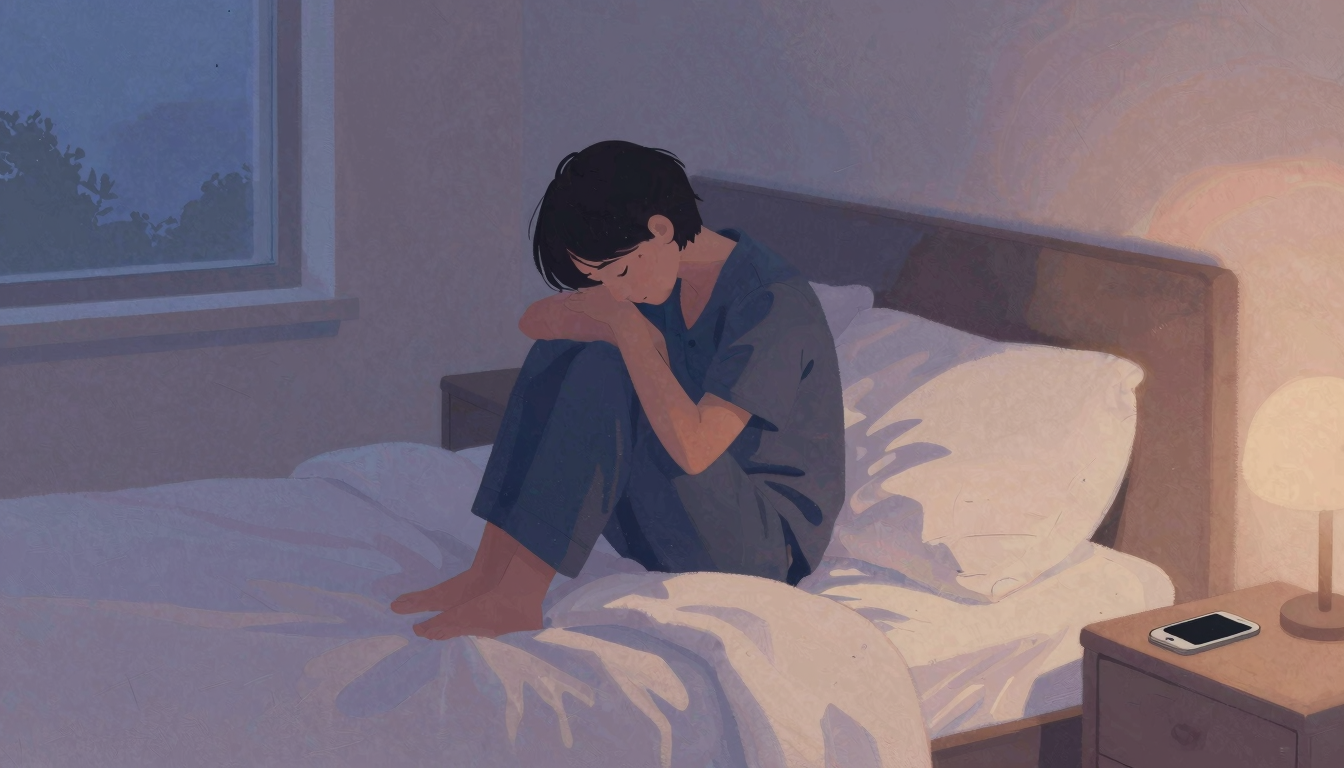
A sleepless night can contain much more than an unsuccessful attempt to sleep. First comes a midnight television release, followed by the discussion online. After putting the phone down, you replay an awkward conversation. Then you remember the thesis deadline. By four in the morning, you wonder whether that large bottle of oolong tea after dinner was a mistake—and reach for the phone again. Eventually you start continuing a novel in your imagination. The alarm arrives before much sleep does.
This familiar sequence mixes several different problems: postponing bedtime, stimulation, caffeine, worry and frustration about being awake. A useful response begins by noticing which part is happening. No single pillow, tea or instruction to “relax” can address all of them.
What Can You Do About Insomnia?
Bedtime Anxiety
For many people, the bedroom is the first quiet place they have had all day. Unfinished tasks and uncomfortable memories finally get their turn. The trouble is that thinking through tomorrow’s schedule can become more engaging precisely when you want to disengage.
Try reserving 15–30 minutes earlier in the evening, away from bed, for a notebook. Write down tomorrow’s tasks and the matters that keep returning to mind. Where possible, add one next step: send an email, ask for clarification, begin a particular section of the thesis. The purpose is to give the concern somewhere to go, rather than to solve your entire life before bedtime.
Close the notebook when the time is over. You can acknowledge that something remains unfinished while deciding to return to it tomorrow. If a thought reappears in bed, remembering the written plan may be more useful than starting the whole discussion again.
Sometimes the worry is about sleep itself: “If I don’t fall asleep now, tomorrow is ruined.” That turns rest into a performance with a deadline. One difficult night is unpleasant, but it need not become a verdict on your ability to sleep. Aim to make conditions more restful instead of repeatedly testing whether you are unconscious yet.
How to Fall Back Asleep
When you wake in the night, checking the time can invite calculations about the hours remaining. If it makes you more tense, turn the clock away. You usually do not need a minute-by-minute account of the night.
If you are clearly awake and becoming frustrated, leave bed for a quiet, undemanding activity in dim light, then return when sleepy. Avoid turning the break into a new episode, a work session or an absorbing scroll. The late-night entertainment that felt rewarding earlier can keep the night moving in the wrong direction.
This approach helps preserve the connection between bed and sleep. It is also part of stimulus control, a component of cognitive behavioral therapy for insomnia. It should not become another rigid test that you monitor with a stopwatch.
Sleep pressure generally builds during waking hours, but that is not a promise that you will fall asleep at a particular moment. A calmer aim is to stop adding stimulation and struggle while allowing sleepiness to return. Persistent difficulty deserves assessment, even though sleep is a normal biological process.
Adjusting Your Sleep Schedule Gradually
After a poor night, it is tempting to let waking time depend entirely on when sleep finally arrived. A consistent waking time gives your routine a steadier reference point. Make room for a realistic amount of sleep rather than repeatedly moving the morning several hours later.
Change an unsuitable schedule gradually. Someone who regularly stays up far too late may find a small adjustment easier to sustain than suddenly attempting a bedtime two hours earlier. Keep the evening wind-down and morning routine aligned with the change, and allow time to see how you respond.
However, spending more hours in bed is not automatically the remedy for insomnia. Going to bed much earlier when you are not sleepy can create more time for wakefulness and frustration. A clinician delivering CBT-I may use an individually planned sleep window and adjust it as sleep improves. Do not copy a restrictive treatment schedule without appropriate guidance.
What Affects Sleep?
Food and Drink
Review the ordinary things that accompany your evenings. A large meal close to bed may be uncomfortable, particularly if lying down worsens reflux. That does not mean everyone must avoid every bite for exactly two hours. If hunger is distracting, a light snack may suit you better than either a heavy dinner or going to bed uncomfortably hungry.
Caffeine deserves attention even when it comes in tea rather than coffee. That after-dinner oolong in the opening example may be relevant to the night that follows. Notice timing as well as quantity, and do not assume a drink is caffeine-free because it seems gentle.
Alcohol can make you feel sleepy while leaving the later night more disrupted. It is a poor substitute for addressing the reason you cannot sleep. The NHLBI’s sleep-habit guidance also recommends a quiet pre-bed period and a cool, dark, quiet bedroom.
A warm caffeine-free drink may be a pleasant ritual. That is different from assuming an herbal ingredient will treat insomnia. Products vary, and “natural” does not establish effectiveness or freedom from interactions. Check unfamiliar sleep products with a healthcare professional, particularly if you take medicines. There is no need to keep buying stronger versions of a bedtime ritual that is not helping.
Choosing a Pillow
A pillow should let your head and neck rest comfortably rather than forcing an awkward bend. Feather and memory-foam pillows are possibilities, not universal solutions. Height, firmness, mattress and preferred position all affect what feels supportive.
People can move during the night, but that does not make position irrelevant. Nor does a label promising a particular sleeping style guarantee a good fit. Pay attention to comfort across the positions you actually use. Persistent neck pain deserves its own assessment; changing a pillow does not address every cause of poor sleep.
Melatonin
Melatonin is involved in the timing of sleep and the body’s daily rhythms. A supplement is not simply a stronger version of feeling tired, and its usefulness depends on the problem and timing. Some circadian timing problems are different from lying awake because of worry or repeated awakenings.
NCCIH’s melatonin overview describes potential uses such as jet lag and delayed sleep timing, alongside uncertainties and safety considerations. It should not be treated as a reliable general cure for chronic insomnia. Product quality can vary, and combining supplements or increasing doses on your own is not a substitute for finding out what is wrong.
If you are considering melatonin, discuss your sleep pattern, other medicines and the intended use with a qualified professional. Avoid assuming that every sleep aid works through the same mechanism or inevitably loses its effect in the same way.
Make Sleep a Priority in Your Life
Adequate sleep supports daytime functioning, including attention, memory and emotional steadiness. That is a reason to protect a realistic opportunity for sleep, rather than routinely spending it on another task or episode. It is not a reason to frighten yourself with a catalogue of diseases each time you wake at three.
Look at the pattern over time. Are you allowing enough time? Is the difficulty mainly falling asleep, staying asleep or getting up at a required hour? Are pain, breathing problems, medicines, mood or a demanding schedule involved? These questions are more useful than treating every bad night as the same problem.
If sleep trouble persists or affects daily life, seek professional help. CBT-I is commonly recommended as the first treatment for long-term insomnia; ordinary sleep habits can support treatment without replacing it. Protecting sleep means making space for it and getting useful help when needed—not forcing yourself to win a nightly contest.
Frequently asked questions
Should I stay in bed until I fall asleep?
If you are clearly awake and frustrated, try a quiet activity outside bed and return when sleepy.
Does alcohol help insomnia?
It may cause initial sleepiness but can disrupt the later night and is not a useful treatment.
Is melatonin a general sleep cure?
No. Its usefulness depends on the problem and timing; discuss persistent insomnia with a professional.
When should I seek help?
Seek assessment when sleep difficulty persists or affects daily functioning.