Summary
A steady65BPM track can be an optional gentle morning cue,without evidence that this exact tempo resets the nervous system.
At a glance
Try comfortable,predictable music if you enjoy it,but65BPM and ten minutes are not established medical prescriptions. Ongoing fatigue,insomnia or palpitations deserve attention beyond a soundtrack.
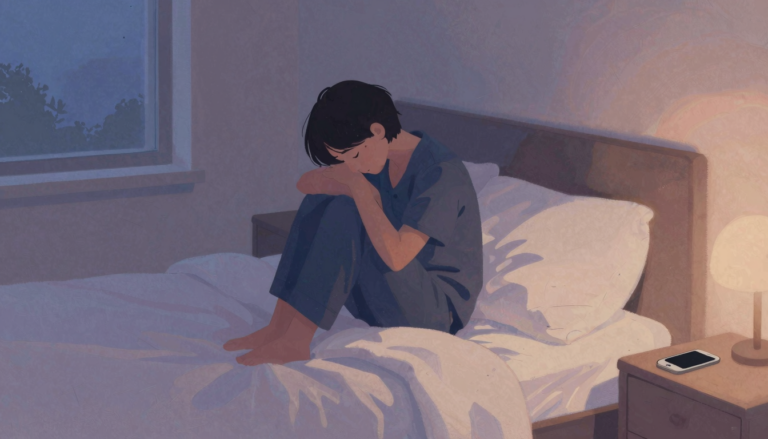
Waking does not always feel refreshing. You may open your eyes feeling heavy, irritable or uneasy, especially after a poor night's sleep. A gentler soundtrack can be one way to make the transition into the day less abrupt.
Music at a steady 65 beats per minute offers a relatively slow pulse. If you find it pleasant, it can become a cue to sit up, get ready and begin the morning at a manageable pace. That is a personal routine, rather than an established treatment that resets the nervous system or cures fatigue.
Begin with sound that feels comfortable
Fast songs, strong percussion and high volume suit some listeners. Others find them unwelcome immediately after waking. You do not have to choose an energizing track simply because a morning is supposed to start enthusiastically.
There is no basis here for assuming that everyone's cerebral cortex is fragile on waking or that lively music causes a predictable afternoon crash. The practical distinction is between sound you welcome and sound that feels intrusive. Lower volume and fewer abrupt changes may be preferable when you are already tense.
NCCIH's music and health guidance notes that music can affect emotion and other processes, while much intervention research remains preliminary. It also distinguishes music therapy delivered within a professional therapeutic relationship from listening to a recording by yourself.
What the steady beat contributes
A 65 BPM track has roughly one beat each second. A regular pulse and an arrangement without sudden shifts may feel predictable. That predictability, together with familiarity or enjoyment, may be what you like about it.
Tempo alone does not describe the listening experience. Volume, percussion, melody and your associations with the music matter too. A track labeled slow can still feel tense or intrusive, while a somewhat faster piece can feel reassuring.
A consistent pulse is an option to try
Choose something you enjoy rather than searching for a medically perfect track. The idea is a comfortable accompaniment to waking, not a task of forcing your body into synchronization. If the sound makes you sleepy, agitated or annoyed, change it or use silence.
Musical tempo is not a heart prescription
A song's beat and your heart rate are different things. The fact that 65 is a plausible number in both contexts does not establish that the music matches your body or will regulate it. There is no verified universal morning range of 62–68 BPM, nor a rule that nighttime music must remain below 60.
In particular, music should not be used to explain away recurrent palpitations. NHS guidance recommends medical advice for recurring or worsening episodes; palpitations with chest pain, shortness of breath or fainting require urgent assessment. A calming song does not establish that the underlying cause is anxiety.
What sleep research can—and cannot—tell us
A 2022 Cochrane review included 13 studies with 1,007 adults. It found moderate-certainty evidence that listening to music probably improved subjective sleep quality compared with no intervention or usual care. Evidence for several other sleep outcomes was more uncertain.
That finding does not validate a specific 65 BPM morning routine. It does not establish that ten minutes after waking improves weakness, brain fog, irritability or attention. Sleep-related listening studies and morning alertness are different questions.
If you wake up exhausted repeatedly or have ongoing sleep difficulties, consider those symptoms separately from the soundtrack. NHLBI identifies cognitive behavioral therapy for insomnia as a usual first treatment option for long-term insomnia. Music can accompany care if helpful, but should not replace assessment or an effective treatment plan.
Make it a small, flexible morning cue
You could try a comfortable recording for a few minutes while beginning your normal routine. The source suggests ten minutes; treat that as a possible length of a personal trial, rather than a therapeutic dose. Keep the volume comfortable and notice whether the experience leaves you more settled, equally tired or simply uninterested.
There is no need to monitor yourself for a promised nervous-system change. If the routine helps, keep it. If another tempo, a different sound or quiet suits you better, choose that instead.
A gentle morning does not require a special number or a perfect response. The useful part is allowing a manageable transition while taking persistent fatigue, sleep problems or physical symptoms seriously.
Frequently asked questions
Is65BPM the best morning tempo?
No universal optimal tempo has been established here;preference and the whole sound matter.
Does it match my heart rate?
Musical tempo does not establish physiological synchronization or regulate a symptom.
Does ten minutes treat insomnia?
That exact morning dose is not verified. Music sleepquality evidence does not establish the claimed morning benefits.
Can I use music alongside insomnia care?
Yes if helpful,but it should not replace assessment or evidence-based treatment.