Summary
A gradual start anchors this writer's morning routine, from an in-bed stretching and massage sequence to warm water and gentle movement after ventilation.
At a glance
The writer recommends resting, stretching and massaging before getting out of bed; slowly drinking a cup of warm boiled water; and ventilating the room before choosing a gentle exercise. The account presents consistent practice as the condition for its promised improvements in energy, bodily comfort and emotional steadiness.
The morning sets the course of the day, argues the writer behind this three-part routine: the condition you wake into determines the vitality you carry through it. Rushing out of bed and hurrying through washing, in this account, forces the body abruptly out of sleep and can leave you tired, dizzy and low on energy.
The proposed alternative is a gradual start built around three small habits that cost nothing and require little effort. Practiced consistently, the writer promises, they keep qi and blood flowing freely, clear the mind and sustain vitality throughout the day.
Rest, stretch and massage before getting up
The routine begins while you are still in bed. The writer explains that after a night of deep sleep, circulation is relatively slow, muscles are relaxed and the nervous system has not fully awakened. Suddenly sitting up or getting straight out of bed can, in this account, bring on dizziness, palpitations or a darkening of vision. The recommendation is to remain lying flat for 1–2 minutes after waking, allowing body and mind to become alert gradually.
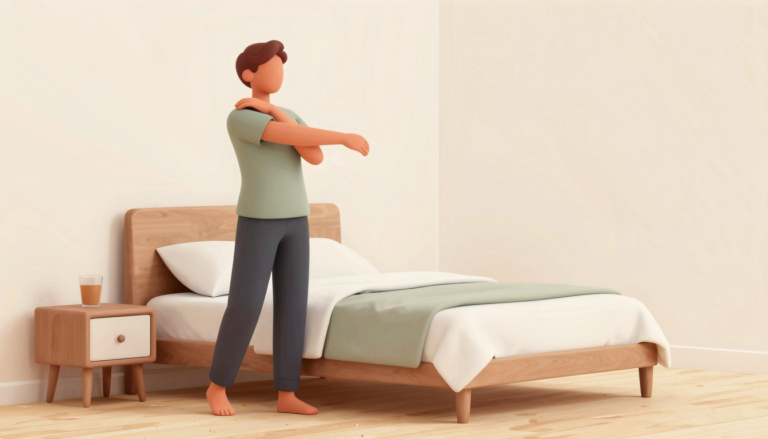
From that quiet pause, move into a full-body stretch. Still lying flat, interlace your fingers and extend your arms firmly upward while pointing your toes downward. Hold the stretch for 3 seconds, relax and repeat 3 times. The writer describes this as waking the muscles throughout the body and encouraging qi and blood to move upward.
Next, draw your toes upward, then point them downward. Rotate both ankles through 10 clockwise circles and 10 counterclockwise circles while remaining flat on your back. These movements are said to promote circulation in the lower limbs and prevent morning leg numbness and cold feet.
For the abdominal massage, place one hand over the other and gently make 15–20 clockwise circles around your navel. The proposed effect is to warm and gently wake the digestive tract, encourage intestinal movement and leave the body feeling more at ease.
You can remain lying down for the facial massage that follows. Start with a dry face wash: rub your hands together until warm, then gently sweep them from your chin up to your forehead and down the sides of your face. Repeat this washing motion 10 times. The writer credits it with promoting facial circulation and giving the complexion a rosier appearance.
Gently rub your forehead with the pads of your fingers, then massage each temple for 10 seconds. This technique is described as easing grogginess and quickly bringing the mind to alertness.
Continue by gently rubbing both ears with your hands, then lightly lifting each ear tip upward 10 times. Here the writer draws on the traditional explanation that the ears connect with meridians throughout the body, claiming that morning ear massage quickly refreshes the mind and frees the flow of qi and blood.
Finish by gently massaging around your eyes with your finger pads, then sliding them lightly up and down the bridge of your nose. This is said to make breathing easier and the head feel clearer. By the end of the complete in-bed sequence, the writer promises, the body will be fully awake, comfortable and relaxed.
Drink a cup of warm boiled water
The second habit turns from stretching and massage to a cup of warm boiled water, described by the writer as waking the internal organs. The explanation is that breathing, metabolism and sweating continue during sleep, causing substantial fluid loss that goes unnoticed. By morning, in this account, the blood is relatively viscous and the digestive tract is still at rest. On that basis, the writer calls morning warm water the simplest and most effective way to care for health.
Its proposed effects include quickly replenishing water lost overnight, diluting the blood and promoting circulation. The writer also credits it with gently moistening the digestive tract, activating digestion, helping the body eliminate metabolic waste and increasing metabolism to warm the body from within.
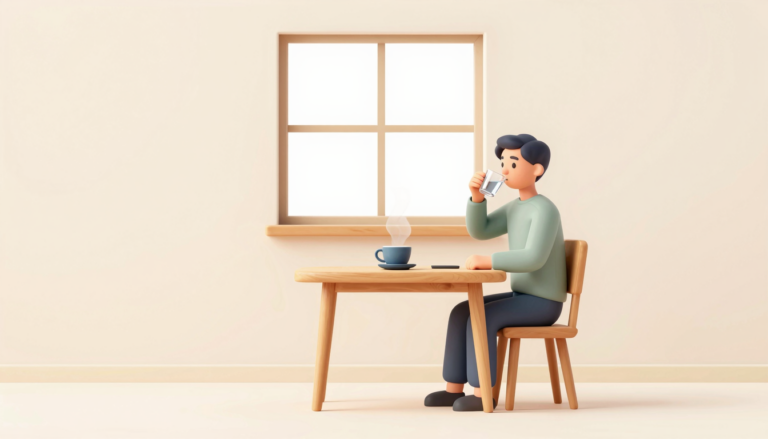
The recommendation is approximately 200 milliliters of boiled water cooled to 35–45°C—neither scalding nor cold. Drink it slowly in small sips rather than gulping it down. The promised response is immediate: a distinct sense of the body waking, warmth in the digestive tract and comfort throughout the body.
Open the window, then move gently
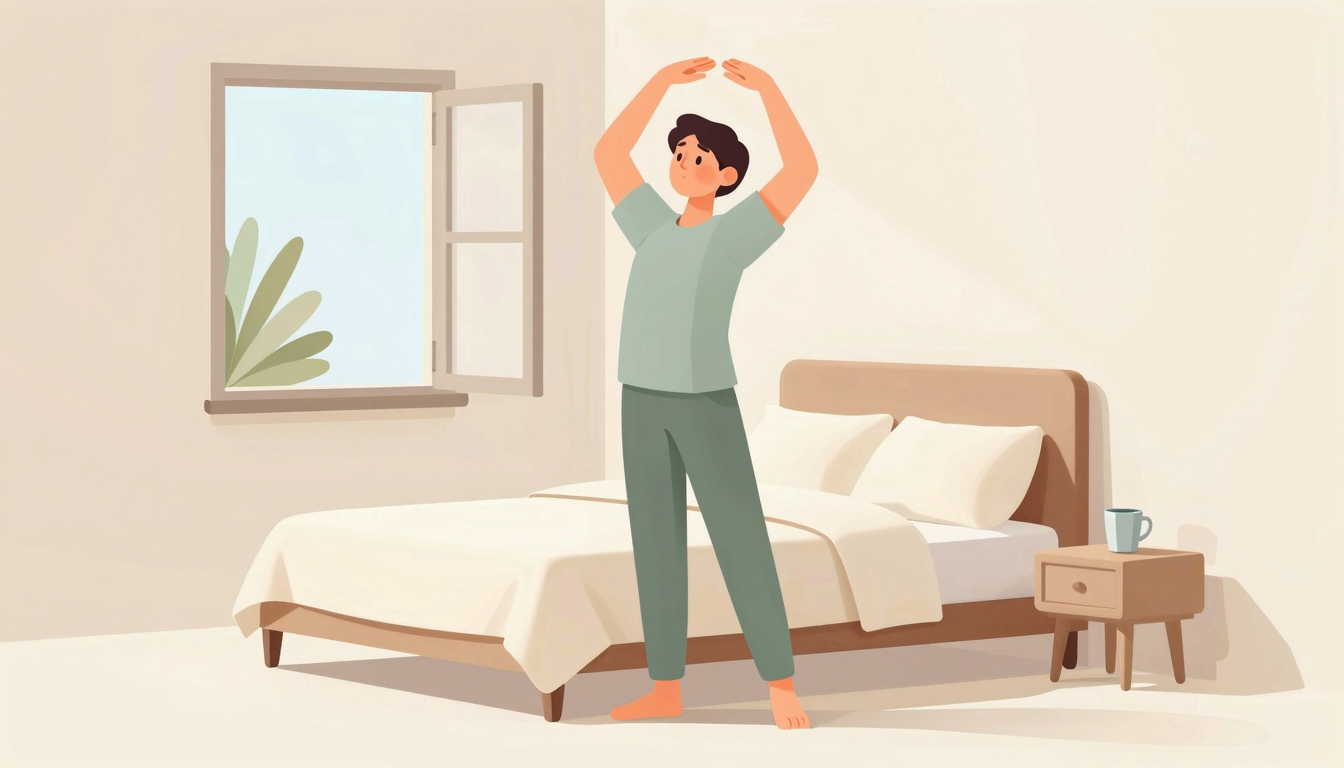
The third habit pairs ventilation with gentle exercise, a combination the writer promises will fully restore vitality. A bedroom kept closed overnight, the explanation goes, has poor airflow and can accumulate stale air and moisture. Morning ventilation is therefore presented as indispensable: opening the window is said to clear accumulated stale air and odors, bring in fresh air for cleaner and more comfortable breathing, and reduce the buildup of bacteria and dampness in the enclosed room.
The recommended ventilation period is 3–10 minutes, adjusted to the weather. Keep it shorter when the wind is strong and leave the window open longer when the wind is light.
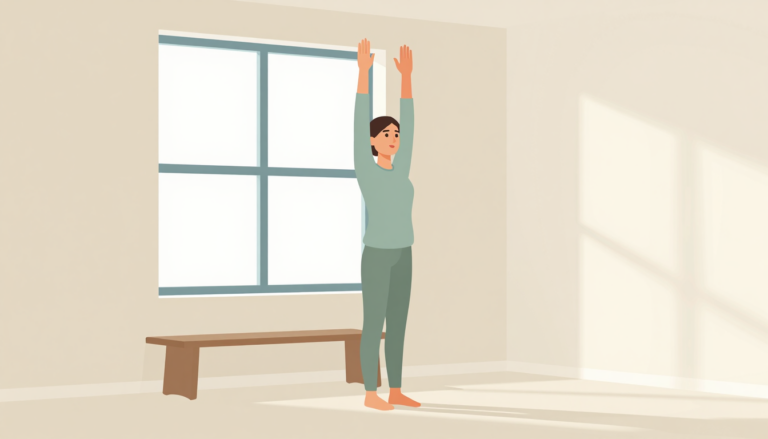
After ventilating, choose one gentle exercise. The writer says strenuous activity is unnecessary to get qi and blood moving and promises that adding exercise will “double the effects.”
Baduanjin is presented as slow, gentle and simple. The writer describes it as suitable for everyone and claims that just 10 minutes opens the meridians, harmonizes qi and blood, and relaxes body and mind, leaving you calm and energetic throughout the day.
Another option is the 24-form tai chi sequence, which meets hardness with softness and combines movement with stillness. In the writer's account, it mobilizes the joints and settles the emotions; practicing in the morning brings a calm mind and a lighter-feeling body.
Yijinjing is described as easy to learn, with movements that stretch the muscles and connective structures and strengthen the body. The emphasis is on stretching the meridians, with the promise that continued practice gradually replaces stiffness with suppleness and brings increasing vitality.
If time is short, the routine allows simpler alternatives: chest-opening movements, waist rotations, rising onto your toes and stretching. Even here, the writer makes a broad promise—that simply getting moving can dispel fatigue completely.
Rest and massage in bed, a cup of warm boiled water, then ventilation followed by gentle exercise: the greatest value, for the writer, lies in keeping these simple habits up. Consistency is described as the highest form of care for health.
No expensive supplements or complicated techniques are needed, the argument continues. Practicing consistently and making good use of the morning are the conditions attached to the promised changes: more energy, greater bodily ease, a steadier mood and a day that feels easier to move through. The invitation is to begin caring for your health each morning.