Summary
A slower transition out of bed, plain warm water, and a few gentle movements form the author's simple morning routine, grounded in a traditional view of everyday care.
At a glance
The author recommends waking slowly, sipping a cup of comfortably warm plain water, and moving gently for three to five minutes without becoming tired or out of breath. The article presents these habits through a traditional account of daily care, with changes described as gradual and dependent on consistency. Its comparisons with supplements and promised benefits are the author's claims; warm water is explicitly described as having no miraculous effects.
Have you ever spent money on wellness teas, tonics, and supplements, only to keep staying up late and drinking milk tea? You still feel tired, sleepy, and drained. For all that spending, nothing seems to have changed.
Many people assume that looking after their health means buying expensive things, eating special foods, or following complicated routines. It does not have to be that way.
An old Chinese saying puts it simply: “A day's planning begins in the morning.” The same idea applies to caring for yourself. Make good use of those first few minutes; as the author puts it, this is more practical, gentle, and lasting than trying to compensate with supplements afterward.
These three small habits require no extra spending, special knowledge, or preparation. You can begin as soon as you wake up. Keep them up, and the promise is a body that feels lighter and more comfortable, with more energy for the day.
Give yourself a slower start
The alarm rings, and your mind immediately starts racing: clock in at work, make breakfast, drop the children off, catch the subway. You spring out of bed as though someone has called an emergency drill.
It looks like a way to save time, but the author says it actually wears you down little by little.
In this traditional account, your body is like a computer that has spent the night in low-power mode: qi and blood move more slowly, while blood pressure and heart rate remain relatively steady. Suddenly sitting up, standing, and walking is like demanding a full-power startup all at once. The author links that abrupt transition to the darkened vision, dizziness, and unsteadiness many people experience, and even to feeling foggy and lacking energy throughout the day.
There is no need to push yourself so hard from the first moment you wake. Give yourself a gentler transition:
- Keep your eyes closed and lie quietly for 30 seconds to a minute, allowing your mind to become gradually alert.
- Enjoy a comfortable stretch, then move your hands and feet.
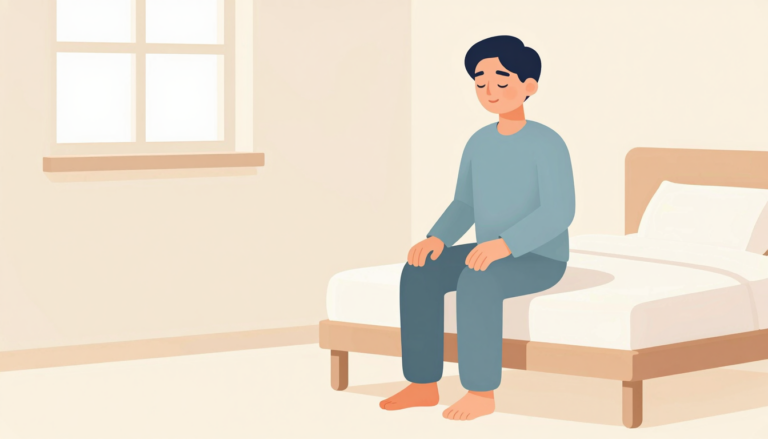
- Slowly sit up. Stay seated for a little while before putting your feet on the floor and getting out of bed.
That is the whole idea of a slow startup. It gives your body time to make the transition smoothly—or, in traditional terms, lets qi and blood gradually wake up. Instead of beginning in a scramble, you start with composure, setting up a steadier day.
Sip a cup of warm water
For many people, the first thing they reach for in the morning is their phone. The next is coffee, ice water, or something sweet to drink. That first sip may feel satisfying, but the author argues that the stomach and intestines bear the cost.
The explanation offered is that the body loses considerable moisture overnight, leaving the intestines relatively dry and the blood more viscous by morning. A cold or stimulating drink at that point is described as a jolt that can unsettle the digestive system. Over time, that habit may bring bloating, discomfort, and difficulty passing stools.
The proposed alternative is very plain: a cup of boiled water allowed to cool to a comfortably warm temperature. No floral tea, special wellness kettle, or elaborate mixture is needed.
Take small sips and drink it slowly. Notice the moisture in your throat and the fresh feeling in your mouth. In this account, your stomach and intestines feel as though they are being gently awakened, leaving you feeling clearer and more comfortable overall.
There is nothing miraculous about it. The benefit described here is straightforward: replenishing water, moistening the intestines, and gently waking digestion. It is simple, inexpensive, and accessible—and, in this view, far more reliable than an assortment of flashy wellness waters promoted online.
Move gently for three to five minutes
Mention morning exercise, and it is easy to hear the objections before you finish the sentence: “I can barely get out of bed, and now I'm supposed to go running?” Or: “I don't have the time, the equipment, or the willpower.”
But caring for yourself does not need to become a production. The aim here is to gently rouse a body that has been resting all night, rather than work up a heavy sweat. In the traditional framing used here, this is a way to wake qi and blood throughout the body.
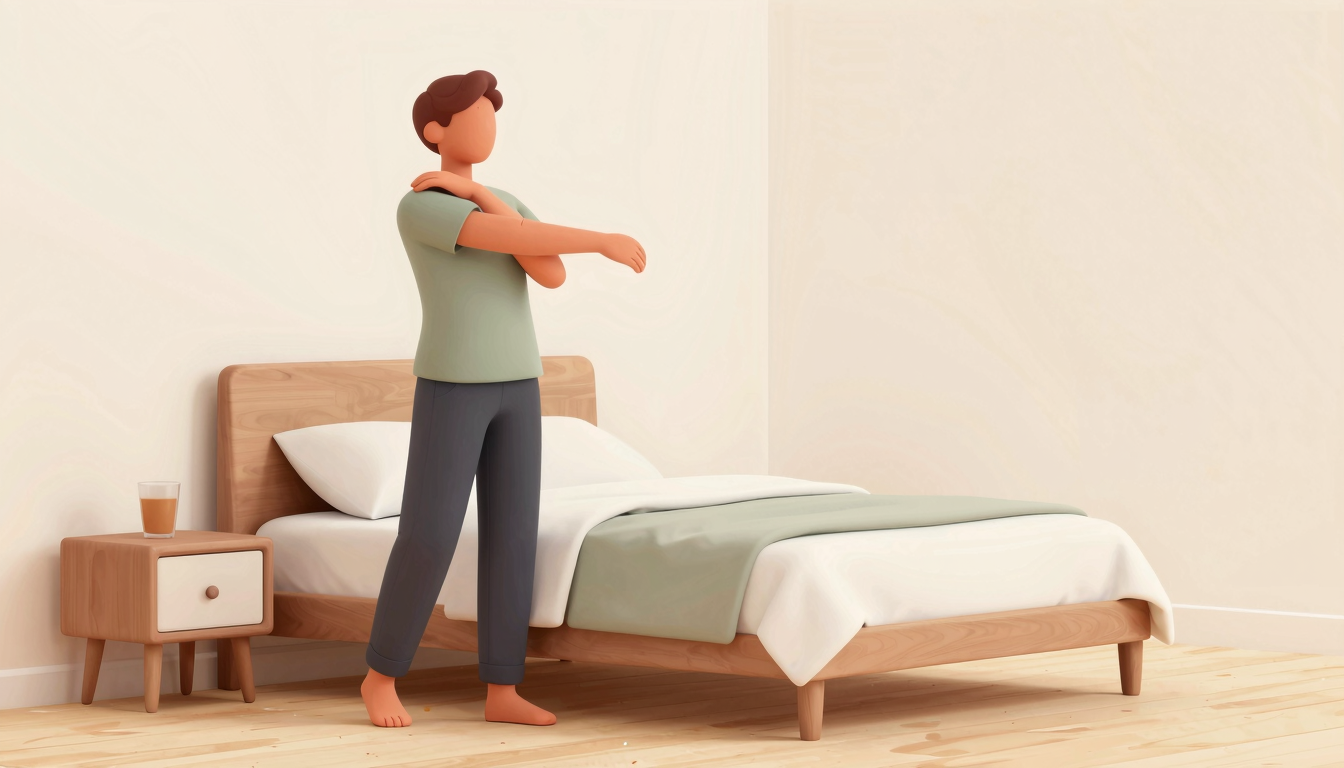
You do not need to run, roll out a yoga mat, or even change into workout clothes. Stand beside your bed or in the living room and make a few simple movements:
- Shrug your shoulders and turn your neck to loosen a stiff neck and shoulders.
- Stretch your torso and gently twist to ease the tightness left from the night.
- Lightly swing your arms and march in place until you feel slightly warm.
Three to five minutes is enough for this routine. You do not need to end up tired or out of breath. The author states that once your body loosens up, you will no longer feel sluggish or foggy and will have more energy for work, childcare, and whatever else needs doing.
Let ordinary habits do their work
Life moves quickly, and the pressure can make looking after yourself feel like another source of anxiety. You buy something for every supposed deficiency and order whatever wellness product is currently popular. A great deal of money goes out, while your habits stay exactly the same.
Yet your body reflects how you live. Stay up late, keep reaching for cold things, sit for long stretches, and move through the day impatient and tense: fatigue, a dull complexion, and discomfort become its reminders. Go to bed early, take a gentler approach, keep a regular rhythm, and allow yourself to relax: the return comes gradually, in greater lightness, comfort, and a better overall sense of well-being.
Waking slowly, drinking a cup of warm water, and moving a little may seem unremarkable. In this account, they nevertheless offer the gentlest, safest, and easiest daily care to maintain—more nourishing than relying on supplements.
The promised change comes gradually: you will see no difference after a day or two; you will feel more alert and energetic after a week; and after a month of consistency, you will feel less tired on waking, less sleepy during the day, less digestive discomfort, and fresher overall.
Looking after your health is not reserved for people with money, nor does it have to be an obscure body of knowledge. It can be a matter of repeating simple, comfortable actions day after day, without anxious shopping, exhausting yourself mentally, or endlessly trying the next thing. Give your body time to respond.
Starting tomorrow morning, try treating yourself a little more gently. The message is simple: you can build a steady sense of well-being without buying supplements.
Frequently asked questions
What does the author's slow waking routine involve?
Keep your eyes closed and lie quietly for 30 seconds to a minute, stretch comfortably, and move your hands and feet. Then sit up slowly and remain seated for a little while before getting out of bed. The initial resting interval does not set a time limit for the entire sequence.
What kind of water does the article suggest drinking?
The author suggests a cup of boiled plain water cooled to a comfortably warm temperature, taken slowly in small sips. No exact volume or temperature is specified, and the article explicitly describes no miraculous effects.
How long and how intense is the suggested morning movement?
The suggested routine lasts three to five minutes, using simple movements beside the bed or in the living room. The aim is to feel slightly warm without heavy sweating, tiredness, or breathlessness; running, equipment, and workout clothes are not required.