Summary
A timed guide to the source’s proposed morning sequence, from a quiet start and gentle walking to breakfast and later caffeine or exercise.
At a glance
For people waking before 7:30 a.m., the source proposes a low-stimulation start with plain water, outdoor light and gentle walking. It places breakfast around 90 minutes after waking, followed by a wait of at least 30 minutes after finishing breakfast before caffeine or harder exercise. Its physiological explanations and proposed metabolic benefits are the source’s rationale, without supporting studies or measured outcomes supplied.
Cortisol has a purpose in the morning: it helps wake the body and mobilize energy. The routine presented here starts from that distinction. Its aim is to protect the hormone’s natural rise and fall by avoiding additional physical and emotional stress, with the intended benefits of better insulin sensitivity, more efficient fat metabolism and less mental and physical strain.
The source describes cortisol as rising rapidly after waking, reaching a peak 30–60 minutes after getting out of bed, then gradually declining. It argues that additional stimulation can push that rise too high or keep it elevated too long, increasing blood glucose, inhibiting fat breakdown, encouraging abdominal fat storage and aggravating low-grade inflammation throughout the body.
The schedule below is intended for people who get up before 7:30 a.m. Its explanations of hormone responses, metabolism and fat loss represent the source’s rationale for the routine.
The first 30 minutes: keep stimulation low
The practical schedule labels the first 0–30 minutes after waking as the rising or peak period and makes reducing stress the priority.
Start by leaving your phone alone. Avoid immediately scrolling through news, messages or short videos. The source connects this advice with two kinds of stimulation: blue light, which it says suppresses melatonin, and negative or highly stimulating information, which it says activates the amygdala and adds another stress signal.
In its account, sustained high cortisol puts the body into a kind of “survival and energy-storage mode”: it prioritizes visceral fat storage, inhibits fat breakdown, increases appetite and cravings for sweets, and adds to chronic inflammation and physical strain.
Instead of reaching for a screen, sit quietly for 30 seconds and take slow, deep breaths. Rise gradually rather than standing abruptly, to avoid changes in blood pressure associated with a sudden change of position.
Drink plain, room-temperature water
Have 200–300 ml of plain water at room temperature.
The source’s reasoning is that breathing and sweating overnight cause fluid loss and leave the blood more viscous. It describes rehydration as supporting circulation and cellular metabolic activity, and emphasizes that water participates in the reactions involved in fat breakdown.
It advises against ice water, saying the cold creates physical stress and slightly raises cortisol. It also discourages honey water or sugar water immediately after waking because of their proposed rapid effect on blood glucose and resulting disruption of metabolism. The checklist makes the instruction firmer: skip ice water, sugar water and honey water in this opening part of the morning.
Spend 5–10 minutes in outdoor light
Go outside for 5–10 minutes of natural morning light. The source describes low-angle morning sunlight as a signal that calibrates the body clock, stabilizes the hypothalamic–adrenal axis and helps cortisol decline smoothly according to its natural rhythm.
It connects a stable body clock with improved insulin sensitivity and better fat metabolism over time. It also argues that a steadier stress-hormone rhythm reduces anxiety and the mental exhaustion associated with it.
Cloudy weather still counts: the source includes diffuse outdoor light on overcast mornings. Light received through window glass, it says, is substantially less effective.
Walk gently for 10–20 minutes
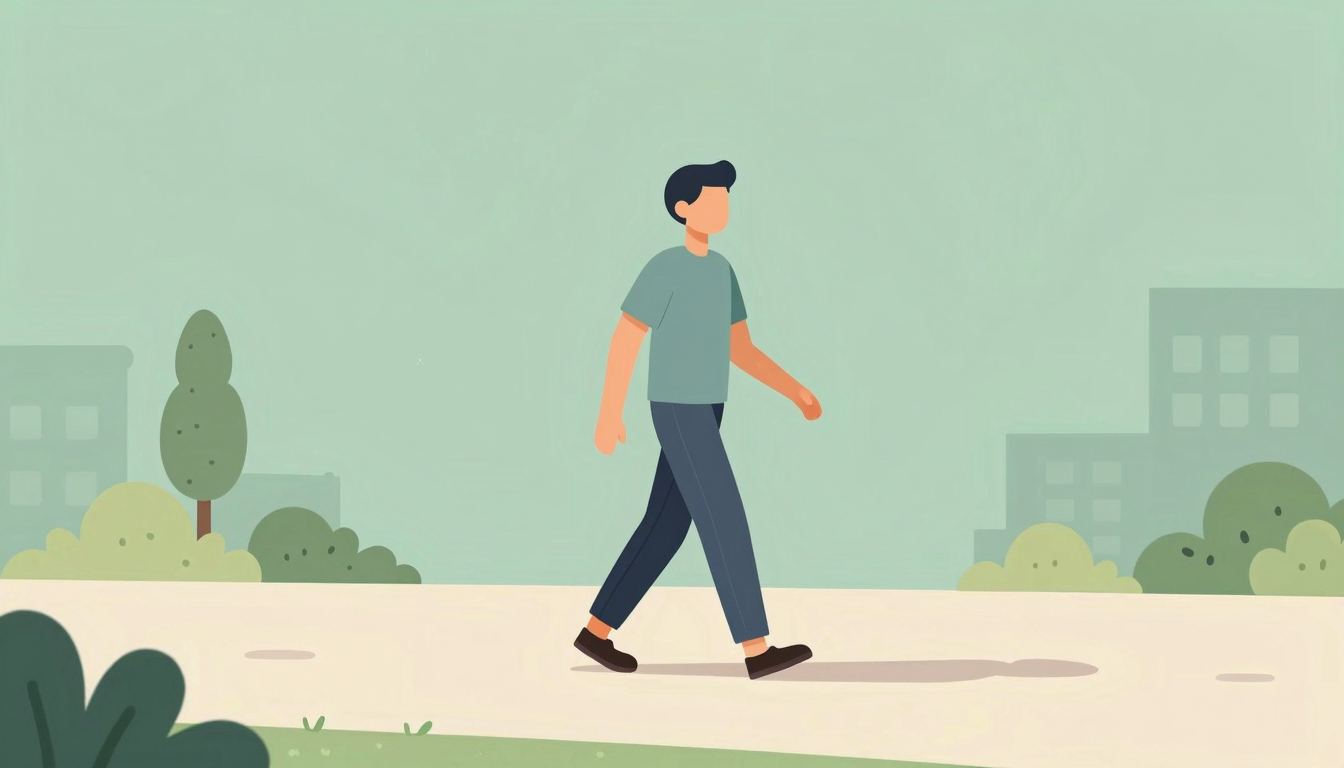
Keep the first exercise of the day easy: a slow, comfortable walk lasting 10–20 minutes.
The source characterizes gentle walking as low-load aerobic activity that signals to the brain that the environment is safe. It says this reduces amygdala vigilance without adding cortisol stimulation, while mild movement promotes blood flow and mobilizes fat.
Its instruction for this early period is emphatic: do not run fast, lift weights or do high-intensity interval training. The explanation is that strenuous activity during the cortisol peak compounds stress, pushes cortisol too high, suppresses fat breakdown, promotes muscle breakdown and adds oxidative strain. Harder exercise appears later in the schedule.
Minutes 30–90: continue easing into the day
The schedule describes minutes 30–90 after waking as the period when cortisol gradually falls. Continue limiting strong stimulation while allowing metabolism to settle.
Avoid conflict-heavy messages, arguments and complicated work problems during this interval. The aim is to reduce emotional stress rather than immediately filling the morning with demands.
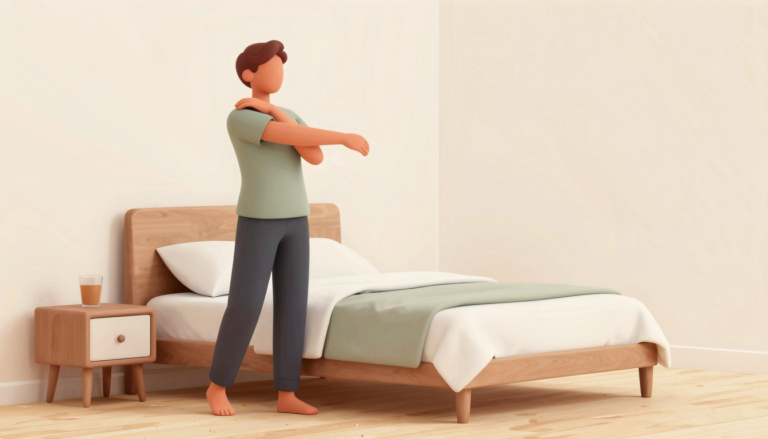
Gentle stretching is allowed. Move your shoulders and neck softly and remain relaxed; the source describes this as helping maintain parasympathetic nervous system activity.
Around 90 minutes after waking: eat breakfast
Breakfast comes approximately 90 minutes after waking. The source considers the morning cortisol peak largely over by then and presents this as a suitable time to eat.
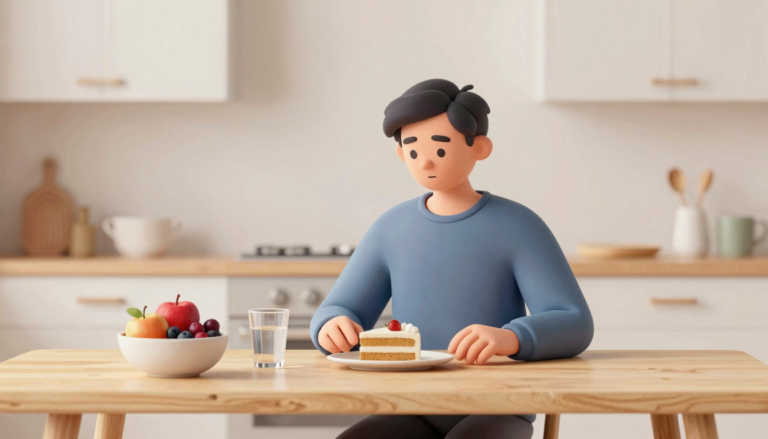
Its recommended combination is quality protein, a moderate amount of dietary fiber and a small portion of complex carbohydrates, with little sugar.
Eggs, unsweetened yogurt and tofu are its protein examples. Protein is included to maintain fullness and keep blood glucose steadier. Oats and mixed grains provide the complex carbohydrates, which the source describes as releasing energy gradually.
It warns against sugary breakfasts such as sweet buns, sweetened soy milk and milk tea. Its argument is that these cause a blood-glucose roller coaster, stimulate insulin, encourage fat storage and intensify inflammation. The accompanying checklist also explicitly excludes sweets, pastries and sugary drinks.
At least 30 minutes after breakfast ends: caffeine and harder exercise
The next interval begins when breakfast is finished. Wait at least another 30 minutes before coffee, strong tea or moderate-to-high-intensity exercise.
Have coffee or strong tea later
The source says caffeine stimulates cortisol secretion. Its reasoning for delaying it is to avoid adding that stimulation to the natural morning peak while retaining caffeine’s alertness benefits.
It presents drinking coffee or strong tea later, after food, as a way to avoid excessive stress-hormone elevation and disruption of the daily rhythm, with less likelihood of palpitations or anxiety. It also warns that coffee on an empty stomach can stimulate gastric acid and amplify cortisol fluctuations.
Put the more demanding workout here
This is also the point at which the routine permits strength training, jogging and other moderate-to-high-intensity exercise.
The source argues that cortisol has naturally declined by this stage, so harder exercise produces less additional stress, burns fat more effectively and is less likely to result in muscle loss. The distinction within the routine is therefore between strenuous exercise during the early peak period and a more demanding workout later, after breakfast and the minimum waiting interval.
Other morning habits to avoid where possible
The source adds three cautions about habits it considers disruptive to the rhythm.
First, avoid repeatedly snoozing and being startled awake by alarms. It describes each repeated awakening as another stress trigger that sends cortisol upward again and creates substantial strain. Try to get up in one attempt.
Second, avoid taking a cold shower immediately after getting out of bed. The source treats cold exposure as a physical stressor that directly raises cortisol and is poorly suited to the morning peak period.
Third, try not to begin the day by dwelling on worries, calculating finances or working through disputes. In the source’s account, sustained psychological stress keeps cortisol elevated and makes abdominal fat accumulation more likely.
A checklist for the routine
- First 0–30 minutes: Rise slowly, without repeated snoozing or alarm awakenings. Leave your phone, news and short videos alone. Drink 200–300 ml of room-temperature plain water, spend 5–10 minutes in outdoor light and take a gentle 10–20-minute walk. Keep fast running, strength training and HIIT out of this early period.
- Minutes 30–90: Defer difficult problems, disputes and upsetting concerns. Stretch gently if you wish, keeping your shoulders and neck relaxed.
- Around minute 90: Eat a low-sugar breakfast with quality protein, dietary fiber and a small amount of complex carbohydrates such as oats or mixed grains. Skip sweets, pastries and sugary drinks.
- At least 30 minutes after finishing breakfast: Have coffee or strong tea after food, and schedule any moderate-to-high-intensity workout here.
- Additional morning cautions: Avoid an immediate cold shower, sugary drinks on waking, early financial worries or conflicts, and strenuous exercise during the peak period.
The central idea is to let cortisol perform its normal morning job without repeatedly adding stress that drives it higher or keeps it elevated. The source’s proposed chain is a steadier cortisol rhythm, better insulin sensitivity, normal fat breakdown and less abdominal fat accumulation, alongside reduced chronic inflammation and less psychological and metabolic strain.
For a short reminder: leave the phone, drink water, step into daylight; walk gently and save the hard workout; eat around 90 minutes after waking, then leave tea and harder training until later.
Frequently asked questions
Who is this morning routine intended for?
The source frames this routine for people who get up before 7:30 a.m. It does not explain adaptations for later waking or other sleep schedules.
When does the routine place breakfast, caffeine and harder exercise?
The source places breakfast around 90 minutes after waking. It then requires waiting at least 30 minutes after finishing breakfast before coffee, strong tea or moderate-to-high-intensity exercise.
Does cloudy outdoor light count in this routine?
Yes. The source includes diffuse outdoor light on overcast mornings in its recommendation for 5–10 minutes outside. It describes light through window glass as substantially less effective.
Does the source provide evidence for the routine’s exact timing and fat-loss claims?
The supplied source provides no studies, citations or measured outcomes supporting its exact timing rules or claimed fat-loss advantages. The article presents those explanations as the source’s rationale.