Summary
Sweet cravings can feel more compelling under stress. This guide examines the article's account of immediate comfort, habitual eating, stimulants, and anxiety, while retaining its unresolved evidence and individual dietary conditions.
At a glance
The article describes short-term relief from sweets as reinforcing cravings when stress returns, while distinguishing occasional consumption from habitual reliance on sweets to manage frequent stress and anxiety. It considers diet among several possible contributors to anxiety, but leaves uncertainties in its proposed mechanisms and research claims unresolved. Its dietary suggestions require individual consideration and cannot replace professional assessment.
Eating and Anxiety: Why Do I Crave Sweets When I'm Stressed?
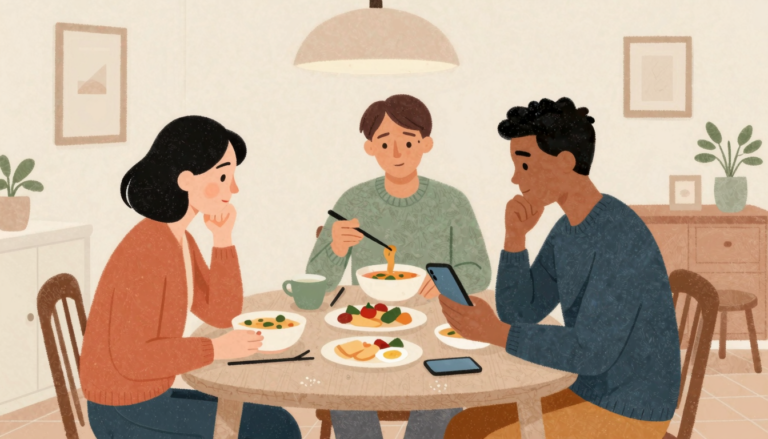
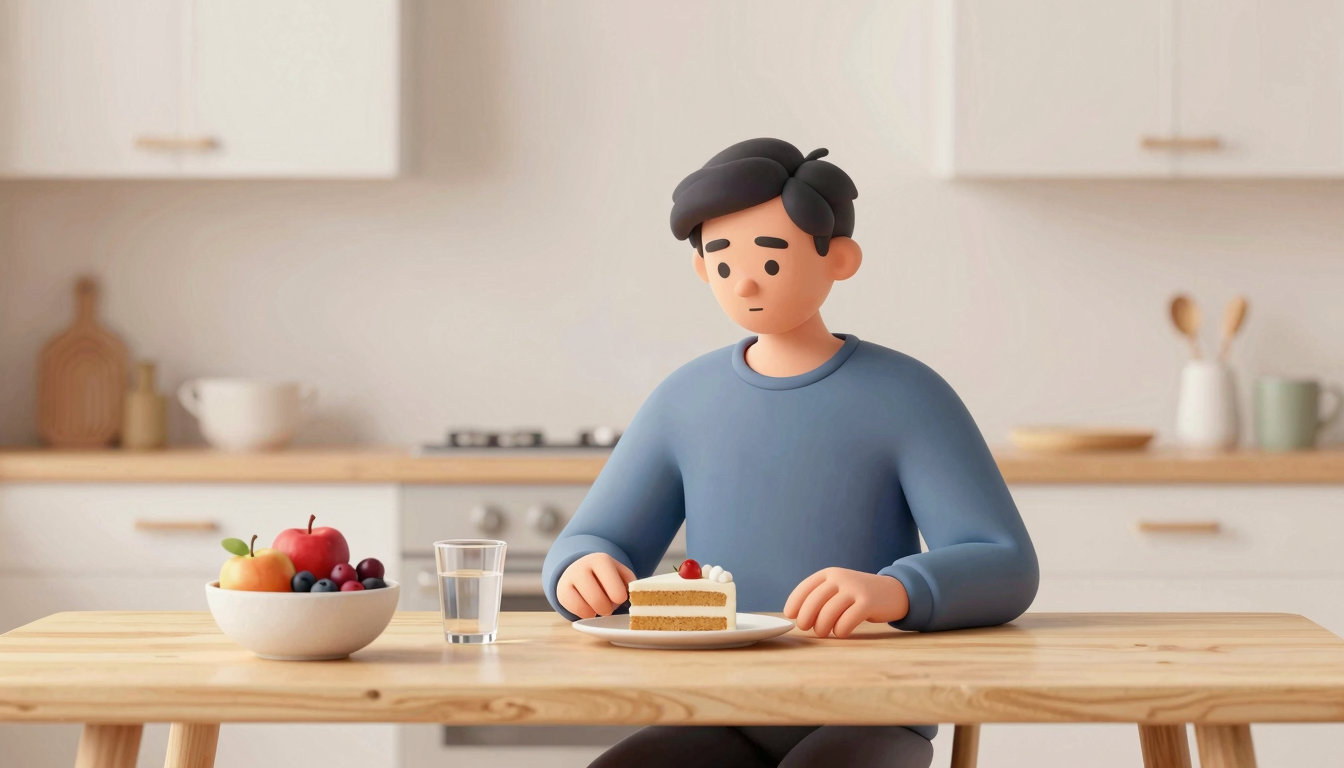
"I'm so anxious. Everything feels overwhelming." Perhaps the next thought is a slice of cake, a cup of milk tea, or fried chicken with cola. Have you noticed how cravings for sugary, high-calorie foods can become harder to resist as stress builds, even when those same foods would ordinarily leave you feeling guilty? It can feel like a dilemma: eating them lifts your mood but raises concerns about your health, while resisting them seems likely to make you feel worse. So should you give in?
The answer depends on the time frame and the habit. In the short term, some sweets can help relieve stress. Over the long term, however, regularly relying on them to manage frequent stress and anxiety can harm both physical and mental health. Why does something that offers immediate relief become a problem when it becomes a routine?
The research account presented here begins with acute stress: short-lived pressure that subsides when its source disappears. It describes a rise in cortisol that leads to insulin resistance, meaning that the body's cells cannot use sugar effectively, even though sugar is a major source of energy. The account then says that sugar cannot enter the blood, prompting the body to signal a craving for it; how that statement connects to impaired cellular sugar use remains unclear. It goes on to describe how consuming high-sugar foods can suppress this process and prompt the brain to release neuropeptides that improve mood, specifically identifying sucrose and the sweetener saccharin as substances supported by the research it cites.
That relief also reinforces the brain's craving for, and preference for, high-calorie foods when stress returns. Once a high-sugar diet becomes habitual, the concerns extend beyond the immediate comfort it provides. The research discussed here links such a diet to physical harm, including increased risks of cancer and obesity, as well as psychological problems. One reported finding describes depression and anxiety-like behavior during withdrawal following excessive sucrose intake, although the study population is not identified.
If food can affect how we cope with anxiety, the relationship invites another question: could something we ate earlier have contributed to feeling anxious now? Before exploring that possibility, it helps to recognize what anxiety itself can feel like.
Anxiety, Fear of the Unknown, or Stress?
Anxiety can affect many areas of life, with responses that fall into three broad categories: - Physiological: a rapid heartbeat, muscle tension, nausea, dry mouth, and sweating. - Behavioral: a reduced ability to act, express yourself, and manage everyday tasks. - Psychological: a subjective feeling of fear and unease.
Although anxiety, stress, and fear can produce similar symptoms, a useful distinction concerns what appears to trigger them. Fear and stress generally relate to identifiable external circumstances: a deadline arriving before the work is finished, failing an exam, or having another monthly loan payment due. Anxiety, by contrast, is described here as usually arising internally, as a response to danger that feels vague, distant, or impossible to identify. The feeling may linger even after the situation that troubled you has disappeared.
Anxiety also has many possible causes. The Anxiety and Phobia Workbook is quoted as describing "seven" levels of causes, although the accompanying list names eight: physiological, emotional, behavioral, psychological, interpersonal, self-related, existential, and spiritual. That numerical discrepancy is unresolved, but the broader point is that anxiety has multiple dimensions. Diet and nutrition belong among the important possible physiological contributors. Could eating habits, then, play a part in how anxious we feel?
1. Sugar and Anxiety
Online discussions of "anti-glycation" diets often promise slower aging, an appealing prospect that can also invite misunderstandings about food. Indiscriminately treating all sugar as something to avoid is dangerous: glucose fuels the body and brain, which cannot function normally without it. Starches in foods such as bread, grains, and pasta are gradually converted into glucose to supply energy. The principle being advocated here is to manage sugar intake rather than reject sugar altogether.
Another problem with broad anti-glycation messaging is that it may never explain what "sugar" means or which kinds to eat less of. The categories discussed here are monosaccharides, such as glucose; disaccharides, such as sucrose; and polysaccharides, such as starch. The account describes these as being progressively broken down into small sugar molecules—monosaccharides—and gives their breakdown-speed relationship as "polysaccharides > disaccharides > monosaccharides." That stated sequence sits uneasily alongside the following explanation of rapid sugar conversion, and the discrepancy remains unresolved.
In its discussion of foods and sweeteners containing monosaccharides, the account includes refined white sugar, brown sugar, and honey. It argues that consuming large amounts can cause problems because they convert to glucose too quickly for the body to handle the resulting sugar load at once. Over time, it says, this overload can produce chronic metabolic disruption: high blood glucose or diabetes in some people, and, in a larger group, recurring drops below normal blood-glucose levels, known as hypoglycemia.
The subjective symptoms of hypoglycemia can closely resemble those of a panic attack associated with panic disorder, a type of anxiety disorder. The source refers to six common symptoms but does not supply the six-item list. Importantly, it also states that panic-disorder symptoms are usually unrelated to hypoglycemia, even though low blood glucose can intensify anxiety and panic caused by other factors. Similar symptoms therefore do not establish a shared cause; if you experience symptoms that suggest a disorder, seek a physician's assessment.
The practical substitutions proposed here are fruit and genuinely unsweetened drinks in place of sugary drinks and refined sugar, together with carbohydrate sources such as quinoa and oats. Check what a "sugar-free" label means, since the product may still contain sweeteners. The source specifically warns that aspartame can readily trigger panic attacks, though it does not provide the supporting research needed to assess that claim.
Stimulants and Anxiety
Stimulants are a class of psychoactive substances that can temporarily increase energy and alertness. Two common substances encountered in everyday life are considered here, in turn.
(1) Caffeine
Too much caffeine can keep you in a sustained state of tension and physiological arousal, making anxiety and panic more likely. The explanation offered here is that caffeine produces arousal similar to the stress response by raising levels of adrenaline, described in this account as a brain neurotransmitter, and increasing sympathetic nervous-system activity, leaving you more alert and awake. The account also attributes an additional stress effect to caffeine's depletion of vitamin B, which it describes as supporting the body's response to stress.
Coffee is only one of the caffeine sources listed here. Others include tea, cola, chocolate candy, cocoa powder, and over-the-counter medicines; the source particularly names cold and cough medicines containing pseudoephedrine or phenylpropanolamine in that list. For people who are prone to anxiety and fear, its recommendation is to keep daily caffeine intake within 100 milligrams.
(2) Nicotine
Nicotine is described as increasing anxiety by heightening physiological arousal, constricting blood vessels, and making the heart work harder. It is also the principal addictive substance in tobacco. The research comparison cited here reports that smokers tend to be more anxious than nonsmokers; the comparison supplies an association, without further study details.
Food Allergies and Anxiety
Food allergies are presented as another possible contributor. Alongside physical reactions such as a runny nose, excessive salivation, and sneezing, the account describes psychological or psychosomatic symptoms including anxiety or panic, depression or unstable mood, irritability, insomnia, headaches, and fatigue. It notes that the psychological symptoms are often mild and delayed, making it difficult to recognize a connection with food choices or combinations.
These examples suggest several ways that what we consume may influence anxiety. The next question is practical: how might we eat to help ease it?
Dietary Principles for Easing Anxiety
The following principles are offered as suggestions that can help relieve anxiety symptoms directly. They are not prescriptions and cannot replace an assessment or an individual plan from a physician or nutrition professional.
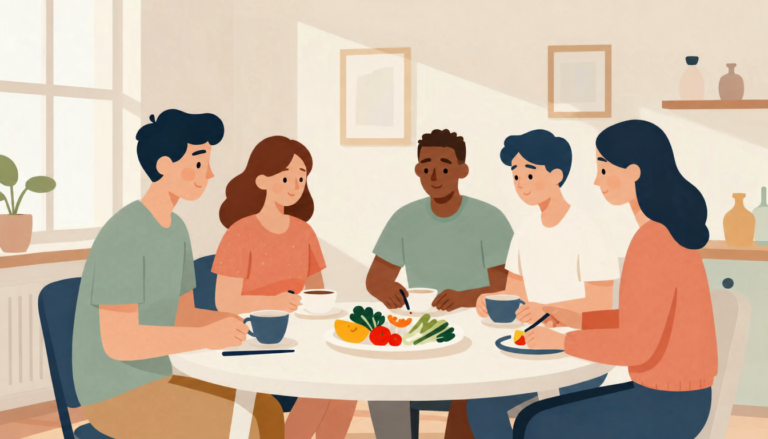
For a detailed eating plan, consult The Anxiety and Phobia Workbook. The summary presented here organizes food choices into four categories, emphasizing the first two and recommending appropriate amounts of the latter two. These are eating frequencies; standardized serving sizes are not specified. (1) Fruit and vegetables: 4–5 times daily. (2) Whole grains, including brown rice and whole-wheat bread: 2–3 times daily. (3) Animal protein, particularly organic poultry, seafood, and eggs: 2–3 times daily. Vegetarians can substitute an equivalent quantity of beans. (4) Dairy, particularly low-fat or fat-free dairy: once daily. People allergic to cow's milk can use rice milk or almond milk instead.
Beyond these food groups, the source discusses nutritional supplements that it says can help with anxiety, beginning with vitamins B and C. Both are described as supporting normal nervous-system function. Its explanation is that stress rapidly depletes the body's stores of these vitamins, leading to anxiety, irritability, fatigue, and potentially unstable mood.
Calcium is another nutrient discussed in relation to relaxation. The account says that calcium depletion leads to excessive nerve-cell activity, which it describes as one neuropsychological basis of anxiety. Citing research on calcium's relaxing effects, it recommends 1,000 milligrams daily alongside magnesium, with a calcium-to-magnesium intake ratio of approximately 2:1 or 1:1. Its explanation is that the two minerals balance one another and work in alternation to support relaxation.
Antioxidants are described as helping ease anxiety by reducing oxidative stress and inflammation, protecting brain cells, and maintaining neurotransmitter balance. The food examples given include beans, particularly kidney and pinto beans; berries, including organic blueberries, raspberries, and strawberries; apples; and walnuts.
A Few Things to Keep in Mind
Anxiety may feel inseparable from modern life, but some anxiety is normal: feeling no concern at all about possible failure or loss would itself be difficult to understand. Problems arise when negative emotions continually direct our choices, affecting daily life and health and potentially creating a vicious cycle. A traditional illustration of the connection between emotions and the body appears in the Huangdi Neijing, which associates anger with harm to the liver, joy with the heart, worry with the lungs, excessive thinking with the spleen, and fear with the kidneys. This traditional account reflects the article's broader theme that physical and psychological health are intertwined.
The purpose of this guide is to help ease anxiety and support health. If anxiety seriously affects your daily life or social functioning, however, seek timely help from a physician at a hospital. The same applies if you cannot tell whether your symptoms have a psychological or physical cause, particularly given the overlap described here between anxiety-disorder symptoms and low blood glucose. The diagnostic descriptions in this article are reference material, not a final diagnosis. Food quantities and medication doses also require professional guidance and attention to individual circumstances: a food suggested for anxiety may be unsuitable for you if you are allergic to it.
Pay attention to both your physical reactions and your emotional experience, and seek help when you need it. Caring for your body and mind deserves a place in everyday life; your health comes first.
Frequently asked questions
Does managing sugar intake mean avoiding all carbohydrates?
The article advocates managing sugar intake rather than rejecting sugar altogether. It describes glucose as fuel for the body and brain and identifies bread, grains, and pasta as sources of starch that becomes glucose.
Does symptom overlap mean panic disorder is caused by low blood glucose?
Similar symptoms do not establish a shared cause. The article states that panic-disorder symptoms are usually unrelated to hypoglycemia, while low blood glucose can intensify anxiety and panic caused by other factors. Symptoms suggesting a disorder require a physician's assessment.
Can the dietary suggestions replace professional care for anxiety?
The dietary suggestions cannot replace professional assessment or an individual plan. The article urges timely medical help when anxiety seriously affects daily life or social functioning, or when the physical or psychological cause of symptoms is unclear. Food quantities and medication doses require professional guidance and individual consideration, including allergies.