Summary
Walking, aerobic activity and strength training feature in an argument for easing chronic anxiety through movement, with individual health and fitness guiding intensity.
At a glance
The study described in this article reported anxiety-symptom improvement with both low-to-moderate and high-intensity exercise, with greater improvement in the higher-intensity group. The writer presents group social support and findings from mouse research as possible explanations, while the proposed human neurobiological effect remains speculative. Exercise intensity should suit your health and fitness; avoid abruptly starting strenuous activity or forcing high-intensity training despite underlying illness or inadequate fitness.
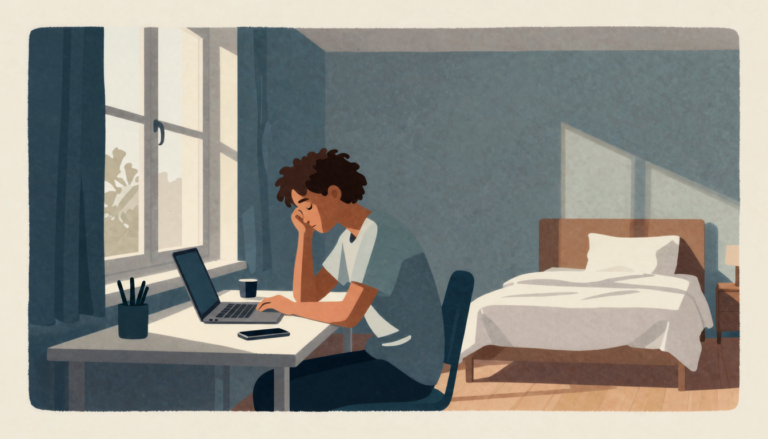
When anxiety keeps returning, perhaps working up a sweat can do more for us than shedding tears. Anxiety feels close to almost everyone in contemporary life. Worries about school, dating and marriage, work and social life fill young people’s conversations, until being anxious can seem almost a prerequisite for having anything to say about life.
Chinese Mental Health Survey findings published in The Lancet Psychiatry in February 2019 were reported as showing an anxiety-disorder prevalence of 4% in China. Nearly 90% of those affected had developed an anxiety disorder before age 35.
The writer advocating exercise describes anxiety disorders as easier to cure than depression or obsessive-compulsive disorder, yet reports that only 36.9% of people with anxiety disorders actively seek treatment. The writer attributes this low uptake partly to some patients’ reluctance to accept medication or psychotherapy. Drawing on a growing body of research, the writer presents exercise as an intervention with clear treatment benefits: adaptable to individual needs, free of stigma, easy to put into practice and associated with few side effects.
One study gives substance to that argument. Henriksson’s team investigated whether exercise could ease anxiety in 286 patients diagnosed with what the account calls an “anxiety syndrome.” About half had lived with chronic anxiety for more than ten years.
Participants were randomly assigned to three groups. The first was assigned three hours a week of low- or moderate-intensity exercise, such as walking. The second was assigned three hours a week of high-intensity exercise, including aerobic and strength training. The third received no exercise training.
The reported anxiety-symptom improvement figures were 3.62-fold for the lower-intensity group and 4.88-fold for the higher-intensity group, with greater improvement reported at the higher intensity. The third group showed no significant improvement overall.
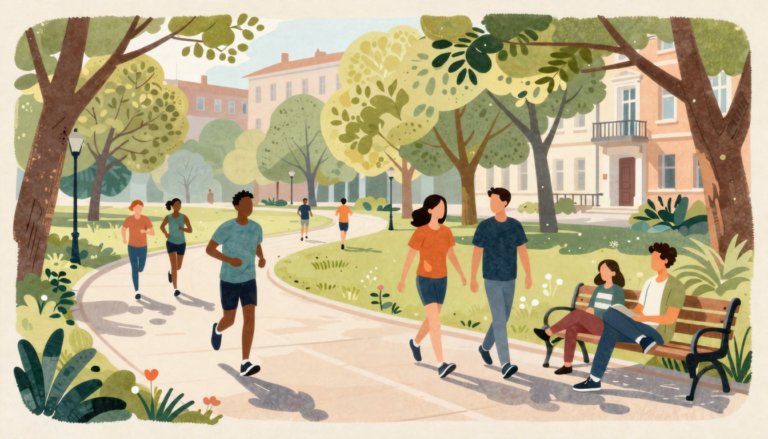
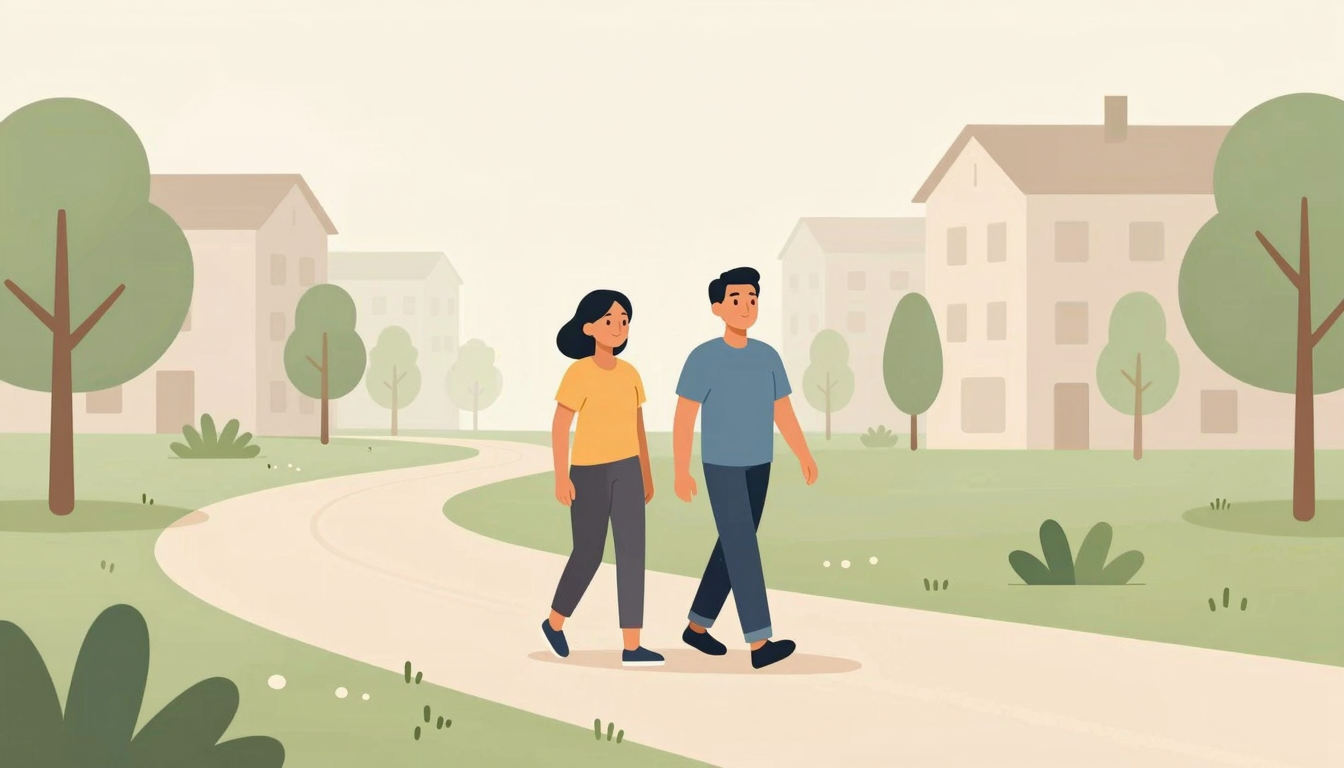
The writer takes these findings as encouragement that even leisurely walking can help ease an anxiety disorder, while higher-intensity activity may offer greater improvement. HIIT becomes one suggested way to act on that interpretation. When anxiety troubles you, the invitation is to walk around a sports ground or simply get moving—or, if your health and fitness allow, go for a run, follow a HIIT session on the Keep exercise app, or do some strength training at the gym.
There is a playful image behind this encouragement: picture anxiety as a little monster that soon starts losing strength as you walk. Work up a sweat with more vigorous activity, and imagine it dropping to its knees, begging for mercy and keeping its distance for a while.
Thinking of exercise as a dialogue between body and mind—a potent remedy in a figurative sense—raises the question of how it might help. The writer offers two possible explanations.
The first concerns psychological support. In the group treatment setting described, people with anxiety meet regularly with therapists and fellow participants to train together. The writer suggests that this companionship and social support may themselves have therapeutic effects.
The second concerns neurobiology. A separate study reportedly found that long-term exercise increased galanin levels in the brainstems of mice, and that this increase enhanced their resistance to anxiety. Those researchers speculated that exercise might have a similar effect in human brains.
The discussion extends beyond anxiety to depression and cognitive dysfunction. Separate research reports suggest that physical exercise can lower the risk of developing depression. For people who already have depression, research on exercise interventions reports significant improvements in depressive symptoms. These are distinct benefits: reducing the risk of developing a condition and easing symptoms once it is present.
Research also suggests that exercise can improve blood circulation and oxygen supply to the brain, delivering more nutrients to brain tissue to help maintain its function. It can also increase gene expression and neurogenesis—the formation of new neurons—in regions associated with learning and memory.
Alongside this research, the writer finds a call to move in our ancestral past. Moving through forests and hunting on grasslands, our ancestors depended directly on the strength of their arms and the speed of their feet to survive. From those physical demands, the writer infers that they were stronger, more agile and more powerful than we are today.
The contrast with modern life is pointed. For all our intelligence, we pursue liberation of the soul while often neglecting the bodies we inhabit: staying up late, sitting for long stretches, eating irregularly and bending our necks far forward to look at our phones.
If we think of mental illness as an injury to the soul, exercise becomes a way to nourish and soothe that hurt by caring for the body. The writer sees the research discussed here as confirmation of how closely physical and mental health are connected. In this view, being healthy requires both a healthy body and a healthy mind, and exercise is an important way to support them together.
That view leads to a practical case for movement amid the widespread anxiety of modern life. Exercise can be inexpensive, adaptable and associated with few side effects. Small steps have value, and each bit of progress can bring its own satisfaction. Activity at both lower and higher intensities can help ease chronic anxiety.
Greater reported improvement with higher-intensity training is no reason to overlook your physical condition. Assess your health and fitness, and choose an intensity that suits them. Avoid suddenly launching into strenuous exercise or pushing yourself through high-intensity training despite an underlying medical condition or inadequate fitness. What suits your body matters most.
Frequently asked questions
How much exercise did the anxiety study assign?
Both exercise groups were assigned three hours a week. One group received low- or moderate-intensity exercise, such as walking; the other received high-intensity exercise, including aerobic and strength training. A third group received no exercise training.
Did the described study specifically test HIIT?
The study description names aerobic and strength training for the high-intensity group. HIIT appears afterward as the writer’s suggested application, rather than as an explicitly identified trial protocol.
What possible explanations does the article offer for exercise helping anxiety?
The writer suggests that companionship and social support during group training may have therapeutic effects. A separate mouse study reportedly linked long-term exercise to increased brainstem galanin and greater resistance to anxiety; a similar effect in humans remained the researchers’ speculation.