Summary
A daily embrace, an evening walk or a shared meal can carry meaning built over years together. Relationship rituals offer one possible way to express affection as love becomes quieter.
At a glance
Relationship rituals are repeated symbolic acts that hold special meaning for both partners. When appropriate for the couple, they may support connection, belonging, commitment and predictability as early passion fades. Couples can begin with small shared practices, discussing them first and agreeing on something both enjoy.
Enduring love appears in memoirs as well as stories on screen. In a memoir, its author recalls more than half a century with her partner: reading together, reciting poetry, and keeping each other company through ordinary days. Affection finds expression in the small details of their shared life.
A television drama offers a fictional portrait of lasting companionship. Its central couple share meals and changing seasons, weathering decades of hardship together. Near the end of their lives, they look back with deep happiness at having spent those years with each other.
Decades can pass in a few sentences. Living them means sharing tens of thousands of days and nights with the same person. How does a familiar partner continue to feel interesting and engaging? Some long-term couples come to live more like roommates, and some people say that love is bound to become uneventful. But is that inevitable? Relationship rituals offer one possible way to think about keeping love fresh after its early passion fades.
How love changes
Sternberg’s triangular theory of love identifies three principal components: intimacy, passion, and commitment.
When love first develops, passion can take center stage, with excitement and romance defining the experience. An unattributed poetic image captures that absorption: “When I first met you, mountains were mountains and water was water. When I saw you again, the mountains were you, and the water was you, too.” The beloved seems to fill the surrounding world.
Studies tracking marital quality over time have been reported to show a rapid warming of feelings near the beginning of a relationship, alongside a continuing rise in how positively people rate their romantic relationship.
After that intoxicating early stage, a relationship may become more settled. Intimacy can move to the center as partners grow to trust each other and rely on each other emotionally. Commitment takes shape as they increasingly choose one another and begin planning a shared future. Passion, meanwhile, may diminish, with the intense excitement of the beginning becoming rare.
The research on marital quality also reports downward trends in relationship satisfaction, happiness, and other measures of relationship quality. The overall pattern is described as a rapid rise followed by a slower decline, though relationships differ in how quickly feelings warm and cool, how high they peak, and how much they fluctuate. That broad pattern does not determine the course of every couple’s relationship.
It may therefore be reasonable to say that love can settle into a quieter state. Yet some relationships reportedly remain positive for longer. What might help sustain them? Rituals offer one possibility.
What makes an act a ritual?
A ritual is a symbolic event repeated over time. Its recurrence makes it predictable to some extent, but repetition alone is not enough: the act also holds special meaning for the people taking part.
Another way of doing something might be cheaper or more convenient, yet the particular form of a ritual carries meaning that is difficult to put into words. For couples, that meaning reflects experiences they have created together and distinctive ways of interacting. How they do something becomes part of what they are expressing to each other.
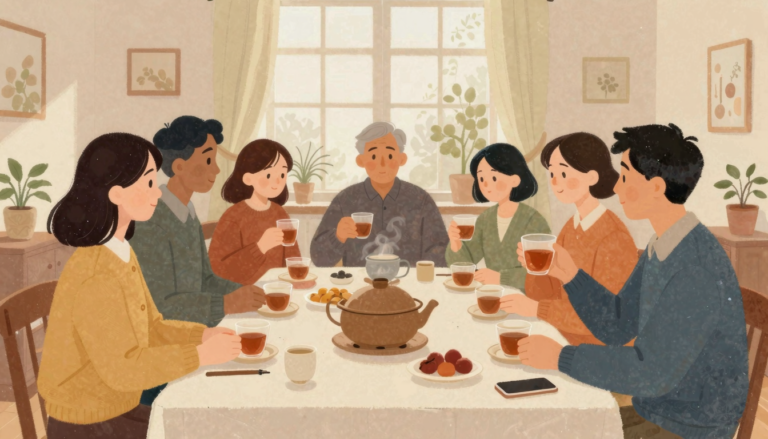
Rituals range from formal occasions, such as holidays and weddings, to informal exchanges at bedtime or over a meal. They also vary in frequency: a couple might walk together every day after dinner or return to a particular restaurant each week or month. When these practices carry shared symbolic meaning, rituals both small and large become part of the texture of their intimate life.
In one film, a couple are separated by the sea and unable to meet. Every so often, they send each other a letter. Their correspondence expresses a closeness that persists across that distance: “Though Siam is far away, my heart is with you, and it feels as though we are neighbors. Above all, stay safe; that alone is a kind of reunion.”
Another passage evokes a nighttime voyage: “As the boat sails into the night, a bright moon rises over the river, round as a jade pendant. It feels as though I am home, watching it beside you. Across vast rivers and seas, thinking of you makes the distance feel less great.” The moon calls up both home and the imagined presence of the beloved, close enough to share the view.
Their recurring exchange of letters can be understood as a ritual through which they express enduring affection.
Connection, belonging, and a shared future
Research has described rituals as a key element of marriage. When appropriate for the couple, they may support emotional communication and help a relationship remain stable.
One proposed way they do this is by keeping partners connected through ongoing interaction, helping sustain the relationship over time. As passion fades, you may no longer feel that you could talk to each other endlessly. Yet a daily embrace before leaving for work or a walk together after dinner can still link your everyday lives, offering repeated reminders of your affection.
Those repeated interactions may also strengthen belonging by expressing what is distinctive about a couple’s relationship. Rituals carry something of the experiences partners alone have shared, setting the partner apart from other people and reminding both of “who we are” together. Their significance extends beyond the act itself to the emotional investment it represents.
In this understanding of rituals, repetition can reinforce each partner’s sense of identity within their shared life. The unspoken understanding particular to their household can remind them of their connection, bringing a sense of belonging within the family and happiness in being part of it.
Rituals have also been linked to commitment. A study of premarital relationships found them to be a significant predictor: greater richness, greater stability, and more distinctive meaning in a couple’s rituals were each associated with stronger commitment. This describes an association rather than establishing that rituals caused the stronger commitment.
Research on married couples describes rituals as helping clarify partners’ expectations of their marital roles, reinforce the marital bond, and improve marital satisfaction.
One possible interpretation of celebrating important holidays together each year is that it expresses acceptance of the partner and a wish for their companionship at important moments throughout life: “I accept you, and I want you beside me for the moments that matter.”
Having something to look forward to
By recurring at regular intervals, rituals can give a relationship a sense of predictability and order. That steadiness may also help partners cope with stress and setbacks elsewhere in life, supporting their overall well-being.
Knowing which shared rituals lie ahead over the course of a day or a year may ease uncertainty and anxiety. During a frustrating workday, for instance, the thought of going to a familiar restaurant with your partner tomorrow evening might give you a small lift. Amid a busy schedule, looking forward to next month’s photo session together could make the days feel a little lighter.
There is no prescribed way to create a ritual; each couple can develop its own. Whatever you have in mind, discuss it with your partner first and agree on something you can both enjoy.
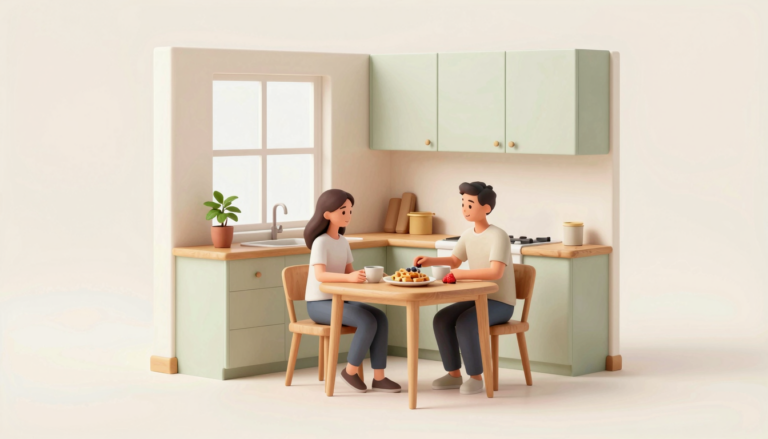
You might begin with a small adjustment to everyday life, such as making dinner each evening “family time.” However busy the day has been, you sit down to eat together, making room for conversation and the affection you can feel in those exchanges.
There is a saying that “love begins after passion fades.” Passion may diminish without affection necessarily disappearing. With rituals woven into everyday life and love expressed through what you do for each other, couldn’t that, too, be a deeply moving kind of romance?
Frequently asked questions
What makes a shared routine a relationship ritual?
A relationship ritual involves repetition and shared symbolic meaning. The particular way partners carry it out expresses something special about their experiences and connection.
How can couples begin creating a ritual?
Couples can start with a small adjustment to everyday life, such as setting aside dinner for eating together and talking. They should discuss the practice first and agree on something both enjoy.
Does fading passion necessarily mean affection has disappeared?
Passion may diminish without affection necessarily disappearing. Meaningful shared rituals offer one possible way to continue expressing love through everyday actions.