Summary
A mysterious warm object at the foot of a school bed lets an eleven-year-old sleep until morning. Its discovery becomes a memory of practical care that lasts for decades.
At a glance
The heated brick helped the hungry eleven-year-old narrator sleep through a freezing boarding-school night, recalling the warmth of his grandmother and home. The school worker continued bringing warm bricks each evening. Looking back, the narrator understood this practical care as his first unforgettable experience of affection beyond his family, a memory that still warmed him roughly half a century later.
In A Heated Brick, written in the winter of 2005, the writer recalls lying in warm bedding under a bright light while wind and snow battered the window. The curtains hid the view, but he could hear fierce gusts sweeping over the roof, each stronger than the last. He put down his book and closed his eyes. A scene from long ago returned to him.
He had just turned eleven during the Three Years of Difficulties when he passed the entrance examination to leave the lower primary school housed in his village's large temple and attend a school offering the full primary curriculum in the town of Caijiapo. He remembered Caijiapo Primary School to the south and Nanposi Primary School to the north, in a county with few public primary schools. Early admissions and a certain reputation also figured in his memory of those schools.
When he learned that Caijiapo Primary School had accepted him, his first impulse was to cry. It was so far from home. His sister, who was then in his class, and the other pupils were waiting for a second round of entrance examinations at Dudiantou Primary School, only two li from their village. They would be able to go home for meals. He would have to carry bread from home and travel the long road to school. Reluctant as he was, he felt he had no choice.
Each morning before daylight, his mother walked eight li with him to the edge of the loess plateau. From there, he made his way down more than two li of rough slope to school alone. Before long, she fell ill and could no longer accompany him every day. He had to board at school with several other pupils whose homes were far away.
To prepare him for his first stay away from home, his mother took apart the family's only old sleeping pad and patched it into a small, thin quilt. She sewed two of his sister's old scarves together to make a short, narrow pad to sleep on. His father wove a thick mat of wheat straw. With these things on his back, he left home.
These were years of reduced food allowances, with melons and vegetables taking the place of staple foods. In class, the teachers often told them, “The hardship is temporary; the future is bright.” Yet everyone went hungry. In physical education, the teachers asked them only to play with gymnastic sticks; anyone who did not want to move could sit in the sun at the foot of the slope.
For the eleven-year-old, the long winter nights were harder to bear than hunger. After evening study, the pupils walked to the dormitory with their hands tucked into their sleeves and their necks drawn down, still shivering, their teeth chattering. Several would count together—“One, two, three!”—then grit their teeth and force themselves into bed.
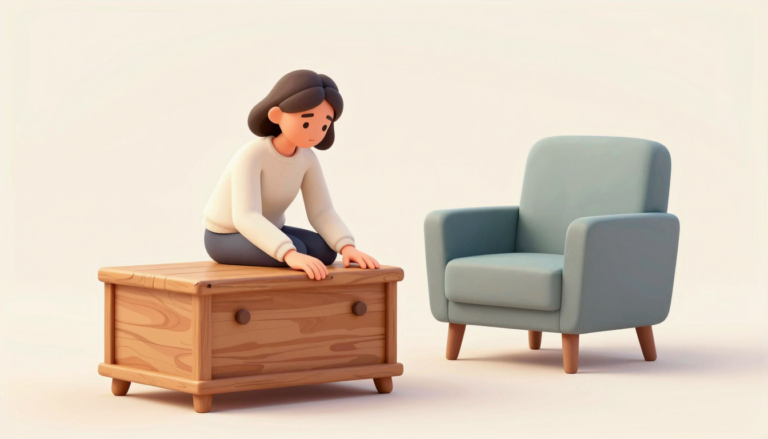
Getting beneath his thin quilt, its cotton filling much older than he was, felt like dropping into a pit of ice. Years later, in junior secondary school, Du Fu's line about an old cloth quilt “cold as iron” brought that feeling back. How he longed for the heated earthen sleeping platform, the kang, at home: its earthy, smoky smell, its warmth that could drive out the cold and make him sweat. At school, he could only fall asleep shivering and wishing for that warmth.
Again and again, the cold woke him in the night. Drafts seemed to find their way through the gaps beneath the eaves, even where bundles of straw had been stuffed into them. Dawn had never felt so far away. Time itself seemed frozen. Lying awake, he remembered his grandmother's tender face as she held his cold-reddened feet against her body to warm them. “People feel the cold in their legs; dogs feel it in their mouths,” she would say. Now he lay curled beneath his icy quilt, far from her sheltering warmth, and his tears often soaked the pillow.
A teacher later suggested a way to keep warmer. At bedtime, the pupils were to pull their padded trousers down around their feet without taking them off, letting the warmth still in the waistband warm their feet for a while. Then they were to lie down, cover their heads with the quilt and breathe beneath it. He tried this, and it seemed to help as he settled to sleep. By morning, though, his feet were still icy.
He and several of the other younger pupils occasionally wet the bed, which he attributed to malnutrition. As soon as their bedding was hung out to dry the next day, other pupils would start teasing them. “Ha! Been swimming in the Pacific again last night?” If cloudy skies, rain or snow kept the bedding from drying that day, they had to spend the whole night sitting up in it, waiting for dawn.
Night seemed like a great sack held open, dark, deep and bottomless. Gradually, his worry at the approach of darkness grew into a fear he could not name.
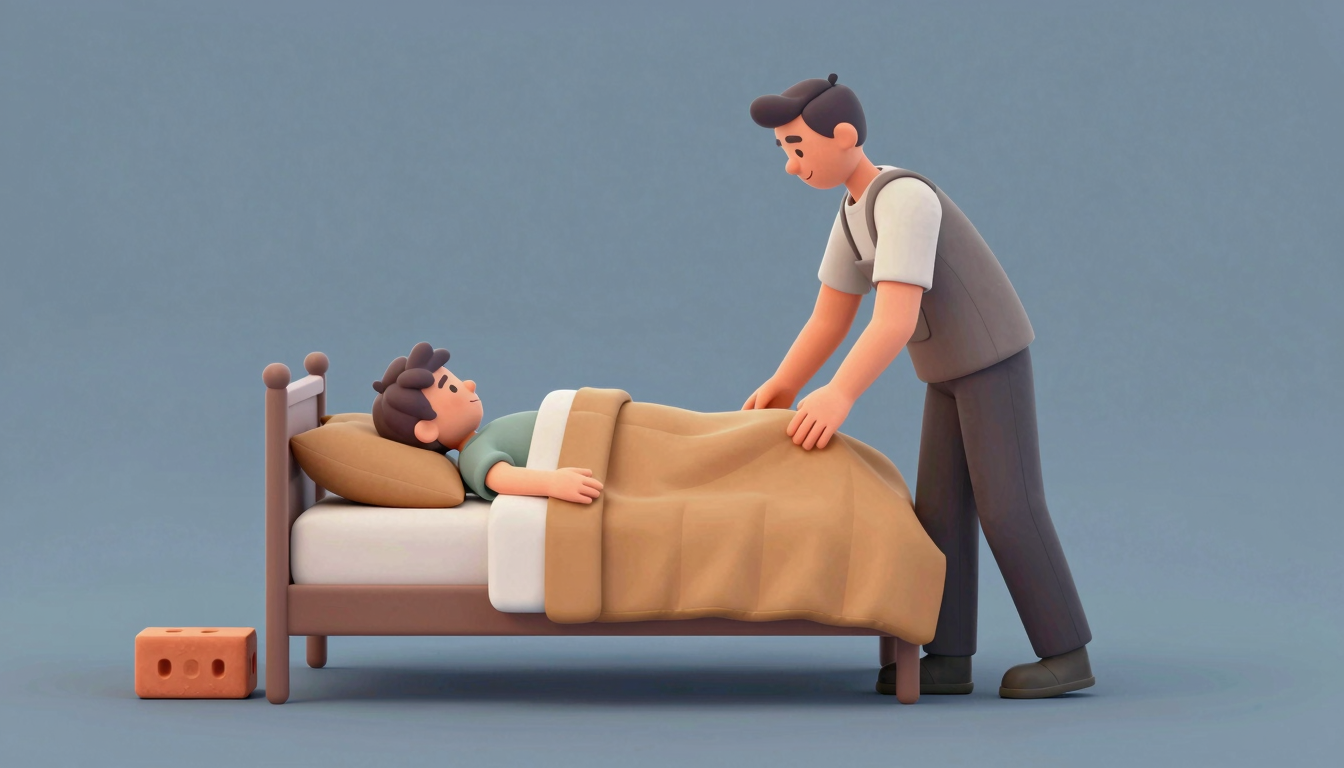
One night after lights-out, he lay trembling beneath the quilt as usual, his head covered and his knees hugged to his chest to warm his legs and feet. Half asleep, he felt someone gently nudge him. “Here, I've brought you something good. Take it,” a voice whispered. Startled, he threw back the quilt and sat up. Heat brushed his face in the darkness. His hand touched something hard and very hot, wrapped in paper.
“Put it down by your feet,” the visitor said, feeling his way as he helped tuck it into the bedding. Now the boy recognized the voice. It was the caretaker, the school worker who rang the bell, heated water and handled newspapers, letters and other incoming and outgoing mail. The boy greeted him as “Sir.”
“Go to sleep. You'll sleep well now,” the worker assured him, then turned to gently wake the pupil in the next bed. “Here, I've brought you something good…” The boy could not see his expression, but he could hear the concern in his voice.
He felt around the object with his feet. A hot-water vessel? No—it was square, with edges and corners, and rather hot. He smiled, wondering what it could be. Warmth slowly rose from his feet, carrying what seemed to be the smell of scorched paper. He could feel it spreading from his toes up through his legs and knees toward his chest. His feet grew warm, then his hands, and his whole body began to uncurl. As he drifted off, he seemed to be nestled beside his grandmother again… or was he back on the warm kang at home?
The morning bell woke him. He had slept straight through the night. At first he thought the visit had been a dream, but when he stretched his legs, the hard object was still there at his feet, still warm. He quickly pulled it out, undid the hemp string and unwrapped layer after layer of yellowed newspaper. Inside was a brick.
From then on, each evening as he heated water, the worker warmed several bricks at the stove opening, wrapped them in thick layers of newspaper, tied them up and brought them to the boarders. With a warm brick in his bed, the boy felt that even his hunger seemed to ease a little. The nights no longer seemed so long.
The children had seen the teachers' round vessels filled with hot water. In lower primary school, their parents had sent them to school carrying small pots of smoldering chaff to warm their hands. But heated bricks had never occurred to them. That the worker had thought of using them to keep the cold away was a surprise and a delight.
The writer remembers him as a man of about thirty-six or thirty-seven, with a square face, high cheekbones and broad shoulders. He was sturdy as a tower and seldom smiled, yet his name, one with a repeated syllable, sounded almost childlike to the boy. The pupils marveled at his strength: he could carry two loads of water on his shoulders at once.
He boiled water for them every morning, midday and evening. At noon, he also reheated the food they had brought from home. The pupils crowded around the large, steaming steamer, jostling to retrieve their coarse-grain cakes and steamed buns, sweet potatoes, pumpkin and carrots. Standing beside them, he would call out, “Careful, don't burn yourselves… Who's pushing over there?” Sometimes a warning came with a sharp slap. They respected him and were a little afraid of him.
After school, when the day pupils had gone home, the few boarders sometimes helped him shovel coal from the pile or feed a few shovelfuls into the stove. They came to know him a little through this, but he was no relative, nor had there been any close bond between them. Even years later, when the writer asked others about him, no one could say exactly where he came from.
Why had the worker thought to bring them heated bricks on those winter nights? Only as the writer grew older did he come to understand the gesture as the noble kindness of a good person, an adult's tenderness toward children.
In hard times, he reflected, the kindness ordinary people can offer may be simple, everyday and unadorned. That heated brick held a working man's practical wisdom for keeping out the bitter cold. The warmth it brought to his heart was just as plain and tangible, and it endured. For him, it was the first unforgettable experience of human affection beyond his own family.
Roughly half a century later, on some winter nights, he would still think of the school worker and his heated bricks, and feel again the warmth he had known as a child.
Frequently asked questions
Why did the narrator have to board at school?
His school was far from home. After his mother became ill and could no longer accompany him every day, he boarded with several other pupils whose homes were also far away.
Did the heated bricks end the narrator's hunger?
The narrator felt that his hunger seemed to ease a little once he was warmer. The account describes subjective relief, while food deprivation continued.
When was A Heated Brick written?
A Heated Brick was written in the winter of 2005. The narrator describes the childhood memory as remaining warm roughly half a century later.