Summary
Beginning with Sally Yeh’s natural white hair, this article considers how personal experience, social support and cultural attitudes shape the experience of growing older.
At a glance
Attitudes toward aging include how people experience and evaluate growing older, alongside society’s views of older adults. The article describes health, personal circumstances, practical and institutional support, physical activity, social participation, and age stereotypes as factors shaping those attitudes. It cites psychological research linking positive attitudes with better well-being, while presenting change as requiring both social support and personal action.
Can You Accept Growing Older?
While many older women turn to hair dye and cosmetics to conceal gray hair and wrinkles, celebrated Hong Kong singer Sally Yeh, at 62, has appeared publicly with her naturally white hair. Her ease, confidence, and positive approach to aging reveal a vitality and appeal all their own.
What Are Attitudes Toward Aging?
Yeh embodies a positive attitude toward aging. The concept, credited to Canadian psychologist Laidlaw, refers to how people experience and evaluate growing older and old age itself. It is a complex psychological construct: the discussion encompasses both society’s attitudes toward older adults and older adults’ experiences and assessments of their own aging.
Those personal experiences and assessments can take a positive or negative direction. A positive view may involve the pleasure of recognizing greater wisdom and a richer store of life experience. A negative view may involve distress at losing control over the body and mind, or feelings of isolation and loneliness as participation in social life declines.
Which Older Adults Are More Likely to View Aging Positively?
Psychological research suggests that both individual circumstances and social conditions shape older adults’ attitudes toward aging. At the individual level, men are more likely than women to hold positive attitudes, as are people with lower educational attainment compared with those with higher attainment, and people with spouses compared with those who are divorced or widowed. Higher quality of life and better physical health are also associated with a more positive outlook. These comparisons describe likelihoods, rather than an attitude shared by everyone in a particular group.
The social environment matters too. Older adults tend to view aging more positively when they receive more practical support from spouses, children, friends, and siblings, alongside greater institutional support through provisions such as minimum wages, pensions, and financial subsidies for older people. More physical activity and social participation also go with a more positive outlook, as does living in a culture where age stereotypes and discrimination are less pronounced.
How Attitudes Toward Aging Affect Life
Psychological research is cited as showing that positive attitudes toward aging benefit physical health, cognition, psychological well-being, and everyday life. Reported findings include better health and an average lifespan seven years longer among older adults with positive attitudes than among those with negative attitudes. Other reported advantages include better memory, faster walking, and neater handwriting. A positive attitude is also described as reducing the risk of dementia and easing the adverse effects of illness on quality of life.
Conversely, the research discussion describes negative attitudes toward aging as increasing the risks of cardiovascular disease and declines in cognition and memory. The psychological risks include loneliness, anxiety, and mental illness such as depression.
Moving Beyond Negative Attitudes Toward Aging
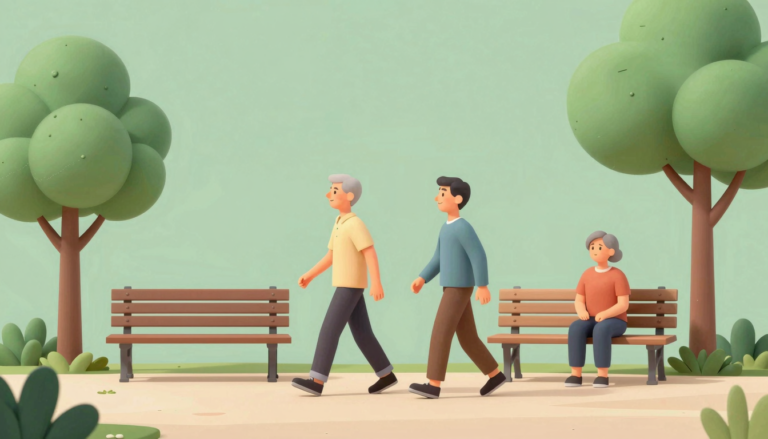
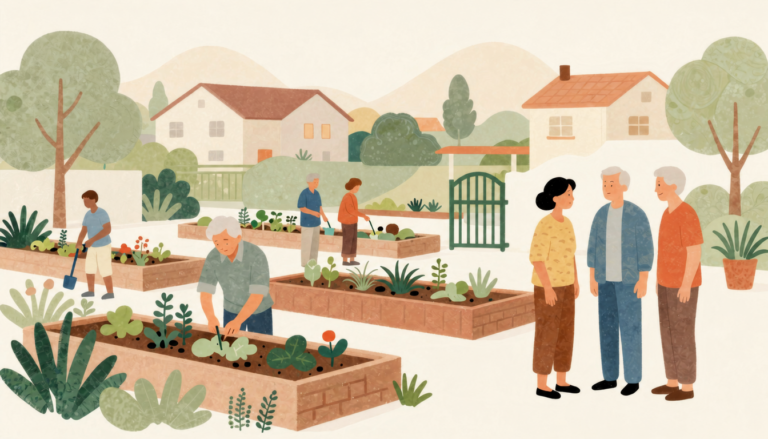
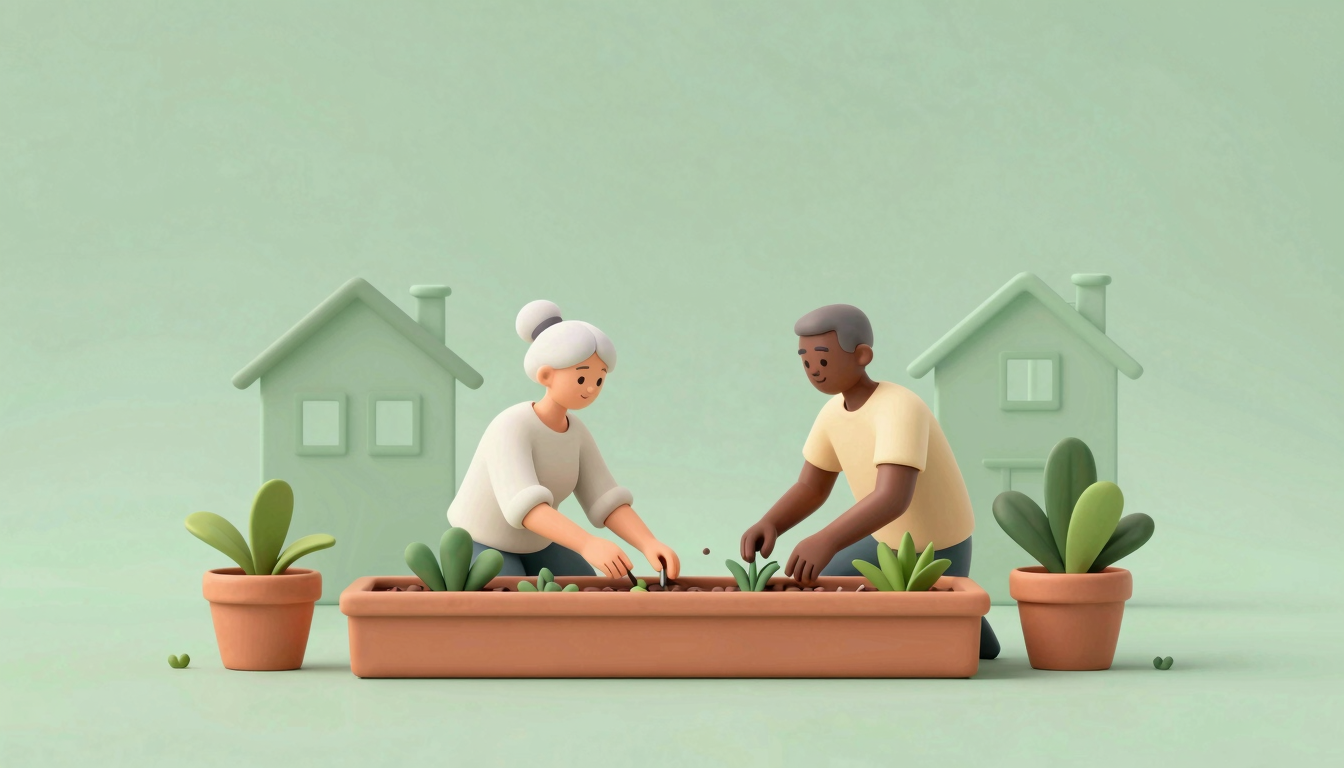
A negative attitude toward aging offers, as the saying goes, everything to lose and nothing to gain. Moving beyond it calls for action at both the social and personal levels. Society needs to reduce stereotypes and discrimination surrounding aging and improve welfare provision for older adults. Older people themselves can take part in exercise routines designed for their age group or stay physically active through gardening. Family gatherings can provide emotional support, while recreational activities with neighbors and peers can offer psychological support.
American writer William Lyon Phelps challenged the belief that youth must be the happiest time of life. He connected happiness with having interesting thoughts, suggesting that we can therefore grow happier as we grow older. White hair, wrinkles, and moments when our abilities fall short of our wishes are inevitable changes, familiar across the ages. Amid that constant change, let us keep our inner lives interesting and meet each moment with contentment, confidence, and love.
Frequently asked questions
Is a positive attitude toward aging solely a personal choice?
The article describes both individual circumstances and social conditions as influences. Health, quality of life, practical and institutional support, social participation, and the surrounding culture’s age stereotypes all contribute; its proposed response includes both social responsibility and individual action.
What activities does the article suggest for older adults?
The article suggests exercise routines designed for older adults or gardening to stay physically active. It also describes family gatherings as a source of emotional support and recreational activities with neighbors and peers as a source of psychological support.
Do the demographic comparisons apply to every older adult?
No. The article presents these comparisons as differences in likelihood, rather than an attitude shared by everyone in a particular group.