Summary
Between aging parents, children, work, and household demands, mornings can already feel exhausting. The writer proposes three small acts of care to help people in midlife begin with greater steadiness.
At a glance
The writer suggests sitting quietly for three minutes before getting out of bed, drinking a glass of warm plain water, and smiling at yourself in the mirror. These simple practices are presented as ways to cultivate steadiness, care for yourself, and offer private encouragement amid family responsibilities and everyday pressures.
Midlife can feel like a mixture of the warmth of home and the storms that pass through it. Parents are growing older, children still need care, and work brings its own pressures. The small demands of everyday life keep accumulating. For many people, anxiety begins the moment they open their eyes; the day has barely started, and they already feel tired.
The writer's advice rests on the belief that composure grows through small morning habits, rather than simply through enduring hardship. Three uncomplicated practices upon waking may help steady the mind and make daily life go more smoothly. They require no elaborate preparation or fuss.
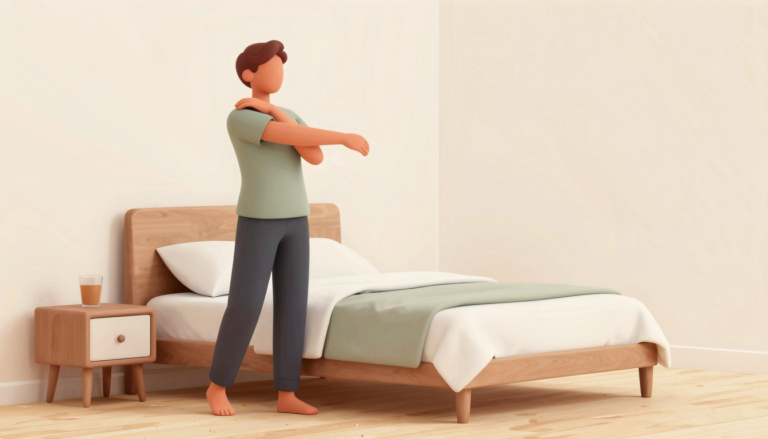
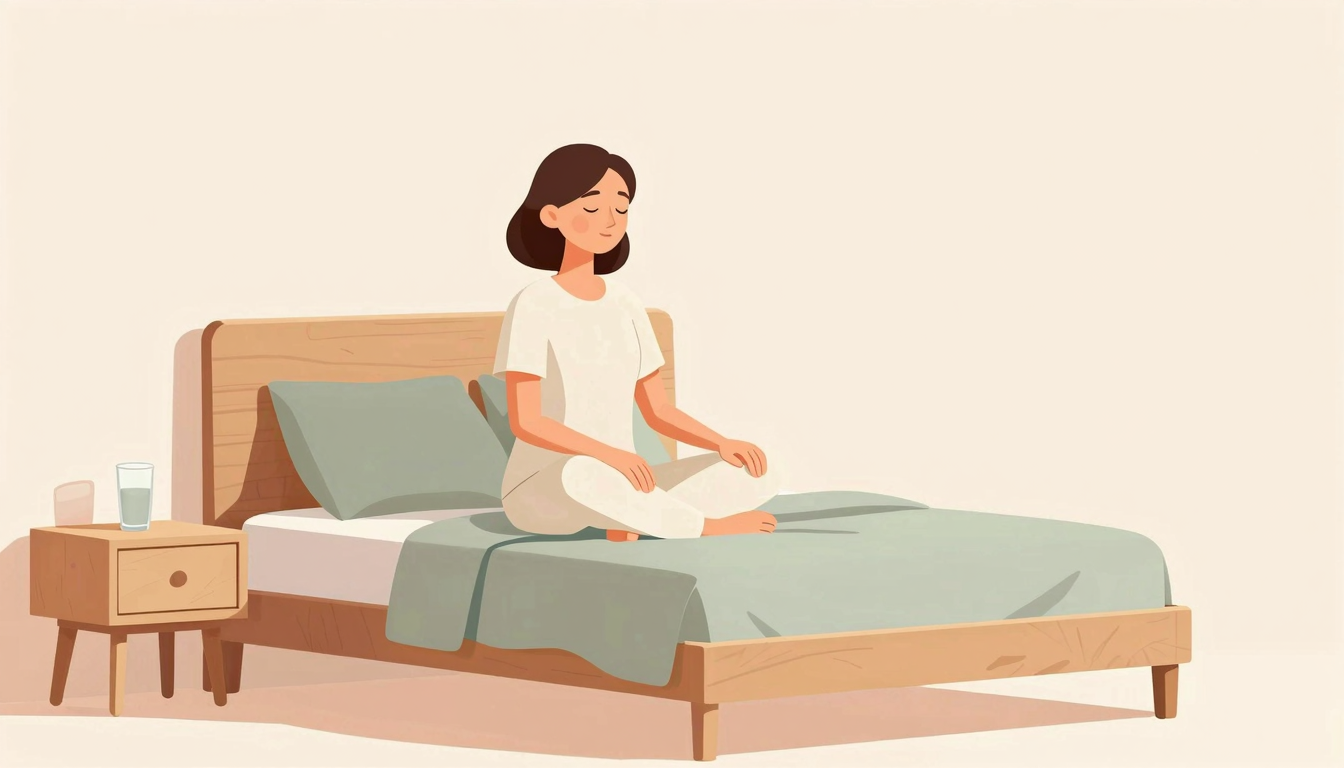
The first is to sit quietly for three minutes before getting out of bed, without rushing into the day. The writer also suggests a gentle stretch while lying in bed, closing your eyes, and breathing deeply. Let your thoughts settle without dwelling on yesterday's regrets or worrying about today's troubles.
The reasoning offered is that, by midlife, the body is no longer young, and getting up abruptly may leave you dizzy, make your heart race, and stir up agitation. The pause provides a buffer for the body to wake gradually and the mind to grow calmer. With an unhurried heart, it may be easier to keep your steps steady through the day.
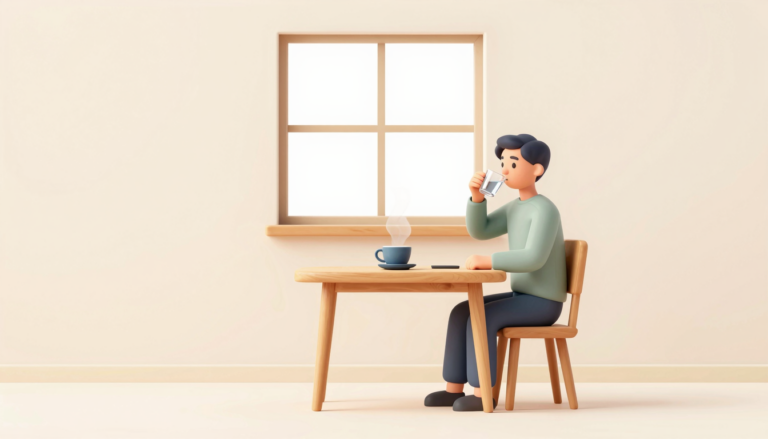
That attention to the body continues with the second practice: drinking a glass of warm plain water to help wake the body and mind. The writer explains that the body is short of water after a night's sleep and describes warm water as soothing the stomach and intestines and clearing away sleepiness. In this view, a simple glass of water is more practical than any tonic or supplement.
It also represents basic care for yourself. The confidence and capacity to shoulder everyday responsibilities, the writer argues, begin with a healthy body. Looking after yourself helps give you the strength to handle life's demands.
The third practice offers a little encouragement: smile at yourself in the mirror. The writer observes that people in midlife often save their smiles for others while keeping their exhaustion hidden. A private smile in the morning is a way to give yourself encouragement, rather than another effort to appear strong.
Behind this advice is the conviction that, however difficult life becomes, a constructive mindset can carry you through its obstacles. The same hopeful outlook extends to kindness toward yourself: treat yourself gently, and life, too, can feel gentler.
For the writer, the best way to live in midlife is to preserve inner steadiness in ordinary mornings rather than chase a spectacular life. These three habits cost little and take little time, and may help you face household necessities and the turmoil of the wider world with a calmer mind.
May everyone in midlife find strength in the morning, stay clearheaded amid everyday demands, and live with composure, stability, and warmth.
Frequently asked questions
How long does the writer recommend pausing before getting out of bed?
The writer recommends sitting quietly for three minutes before getting out of bed, and also suggests gentle stretching while lying down, closing the eyes, and breathing deeply.
Why does the writer suggest smiling at yourself in the mirror?
The writer presents a private morning smile as encouragement for yourself, especially when you tend to show others a cheerful face while keeping exhaustion hidden.