Summary
A morning routine built around foot massage, gentle movement, radio listening, and water, with specific timings and an unresolved difference between salted and plain boiled water.
At a glance
The source presents foot massage, gentle movement, radio listening, and morning water as ways to feel more awake. It suggests five to ten minutes of foot massage and about five minutes of limb movement before washing. Its heading specifies lightly salted water, while the detailed routine specifies plain boiled water after a bowel movement and washing, before breakfast on an empty stomach. The source supplies no supporting studies or clinical details for its therapeutic, preventive, or neurological claims.
Morning is the beginning of the day, and the habits we settle into after waking can shape how ready we feel to meet it. This approach to everyday well-being centers on four practices: massaging the feet, gently moving the body, listening to the radio, and drinking water. Together, they are presented as a way to shake off grogginess and carry more energy through the day.
Give your feet a few quiet minutes
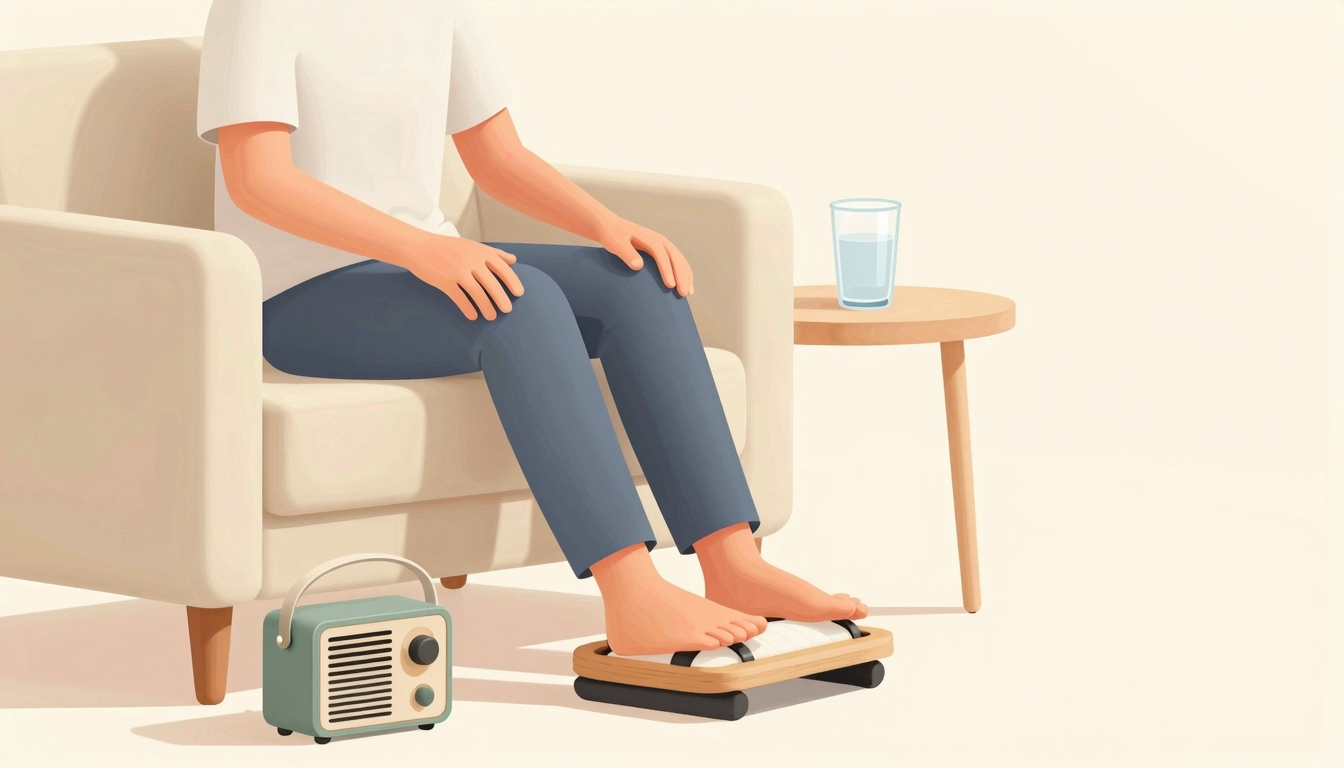
A roller-style foot massager offers a simple way to begin. Rest your feet on it and move them back and forth; the rollers turn with the rhythm of your movements, massaging the soles. When you feel drowsy in the early morning, the suggested routine is to lie on the sofa with your eyes closed for a little while, then massage your feet.
The traditional explanation connects the feet closely with the body's internal organs and meridians, the channels through which qi is understood to move. The feet also bear the body's entire weight. On this reasoning, applying pressure to their surface is said to affect the whole body, helping regulate its functions and those of its organs.
The benefits claimed for morning foot massage extend well beyond feeling more awake. It is credited with treating many illnesses and improving blood circulation, leaving a person more alert. In traditional terms, it is also said to keep qi and blood moving normally, nourish foundational qi, and open the body's meridians. These effects are presented as strengthening the body, dispelling illness, and regulating the autonomic nervous system.
There is a further argument about mental strain. Between work and everyday responsibilities, the mind can remain as taut as a tightly stretched string. The account links prolonged tension with disruption of the nervous system's inhibitory function, followed by low mental energy, insomnia, or forgetfulness.
Five to ten minutes of calm foot massage after waking is proposed as a way to restore that balance. The claimed mechanism is that massage promotes inhibition in the cerebral cortex, allowing excitation and inhibition to alternate naturally and remain in balance. The promised result is better sleep at night, ample energy during the day, and a substantial improvement in work efficiency.
Ease into movement before washing
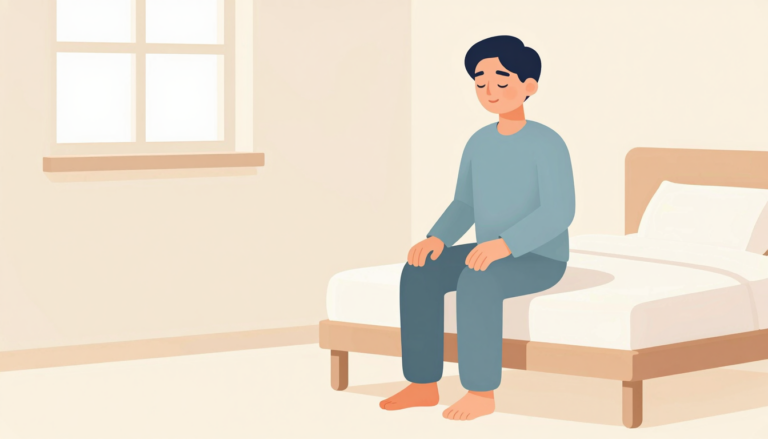
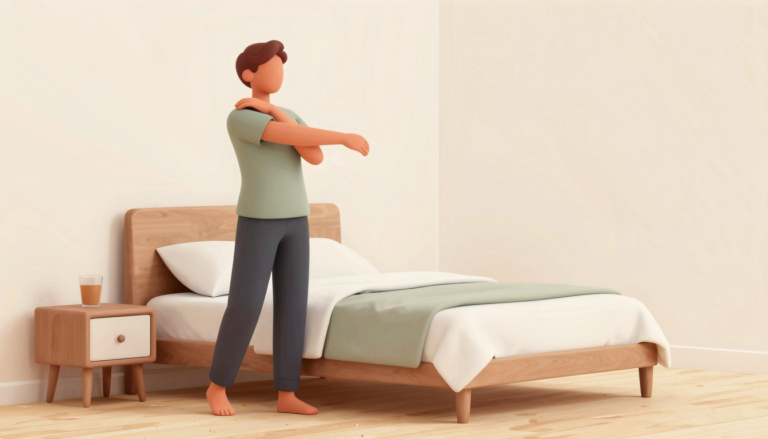
Get out of bed slowly and walk around a little before beginning to move your arms and legs. This gentle activity is intended to help you emerge quickly from that half-awake state.
The movements can be simple: open your hands and close them into fists, clap your hands, stamp your feet, swing your arms, and stretch your legs. About five minutes of moving the joints in your limbs each morning is the suggested amount.
Another option is to do some of the familiar warm-up movements you use before exercise. These, too, are presented as an effective way to feel alert quickly. After moving, go on to brush your teeth and wash your face.
Let the radio engage your imagination
Listening to the radio after waking is the third recommendation. The explanation is that it activates the frontal region of the brain associated here with creativity.
Unlike television or a smartphone, radio supplies sound without accompanying images. Following that auditory information is said to engage the whole brain. With no pictures supplied, the listener imagines different scenes; this activity is credited with rapidly increasing mental flexibility.
The argument draws a sharp contrast with looking at the news, watching television, or viewing a phone in the morning, claiming that these activities cause brain function to decline rapidly.
It also invokes research comparing people who rarely listen to the radio with habitual listeners. Those who do not usually listen are described as finding broadcast material difficult to understand. For regular listeners, by contrast, the information is said to register immediately. From this comparison, the account draws the emphatic conclusion that only radio can concentrate attention and exercise the brain.
Start the morning with a glass of lightly salted water
The fourth recommendation introduces a glass of lightly salted water on waking. Its discussion then turns to the benefits attributed to drinking water in the morning: replacing water lost through metabolism, promoting elimination, and helping prevent and treat constipation.
Morning water is also credited with diluting the blood, improving circulation, and preventing cardiovascular and cerebrovascular disease. These claimed benefits are described as especially important for middle-aged and older adults.
The detailed routine, attributed to experts, calls for plain boiled water. To feel energetic throughout the day, their recommendation is to give particular attention to the morning: first have a bowel movement, then brush your teeth and wash your face, and finally drink plain boiled water on an empty stomach before preparing breakfast. This sequence is presented as the healthiest daily routine.
Give the beginning of the day some attention
A Chinese saying places spring at the foundation of the year and morning at the foundation of the day. It captures the central thought behind these habits: how we begin matters.
Move your limbs after waking, or lie on the sofa with your eyes closed for a quiet rest. Listen to the radio, massage your feet, and have a glass of plain boiled water after washing. The promise running through this routine is that attending to the morning supplies the body with the energy to carry it through the rest of the day.
Frequently asked questions
How long does the source suggest spending on morning massage and movement?
It proposes five to ten minutes of calm foot massage after waking and about five minutes of moving the joints in the limbs. The movement section places activity before brushing the teeth and washing the face.
Does the source specify salted water or plain boiled water?
The fourth section introduces lightly salted water, but the detailed routine and conclusion specify plain boiled water. The source does not explain this difference. Its detailed sequence places plain boiled water after a bowel movement and washing, on an empty stomach before preparing breakfast.
What evidence does the source give for its radio claims?
The source invokes unidentified research comparing habitual listeners with people who rarely listen. It describes infrequent listeners as finding broadcasts difficult to understand and regular listeners as absorbing information immediately, then claims that only radio can concentrate attention and exercise the brain. No study, researchers, methods, or numerical findings are identified.