Summary
Children can respond differently to the same frightening event. This parent guide covers possible changes in school-age children, patient listening, everyday stability and practical responses to particular fears.
At a glance
The guide recommends noticing changes from your child's usual emotions, behavior, physical sensations and thinking, then listening patiently and offering comfort. Honest, age-appropriate answers, stable routines and parental self-care can support gradual recovery. Seek professional help if distress persists or whenever you are concerned; several weeks is an example, not a required waiting period.
When children suffer terrible harm, how can parents help? This crisis-response guide begins with understanding both what happened and how the individual child is responding. A traumatic event's impact depends on the interaction between the event's characteristics and the child's vulnerabilities. The same event can therefore affect children differently.
Relevant characteristics include how predictable the event was, how long it lasted, its scale and its consequences. The guide explains that sudden, unexpected events, those involving deaths or serious injuries, and those that continue for a long time generally have a greater impact.
A child's presence at or proximity to the scene, relationship with the people involved and individual vulnerability also matter. Citing Brock (2011), the guide notes that students are generally more susceptible when they are closer to the scene or have closer relationships with those involved, have mental health problems, lack social support or ordinarily find it harder to cope. The guide draws a practical conclusion from this: children who witness serious harm, or even hear about it, also need adult attention.
Notice changes from your child's usual self
Recognizing possible signs of trauma is the first parental task the guide identifies. Unusual behavior can be easy to overlook, so observe your child carefully and try to understand how they are feeling and responding. The following possibilities concern school-age children and span emotions, behavior, bodily sensations and thinking. Compare them with what is usual for your child; they are signs to notice, not diagnostic criteria.
Emotionally, a child may become anxious or afraid, worry more about their own safety or other people's, and depend more heavily on parents or teachers. They may seem increasingly uneasy, unusually irritable or prone to mood swings. Some children have trouble sleeping or startle easily. Others may appear emotionally numb, seeming to feel very little about what happened.
Behavior can change in different directions. A child may become more active than usual or much less so, withdraw from other people, or have difficulty paying attention and concentrating. Some may become verbally or physically aggressive. School life may also change: a child might miss school, resist going or see their grades decline. They may become less trusting of others or show changes in how they understand and respond to what people say.
Some children reproduce what happened in their speech, play or drawings. Others avoid reminders, perhaps refusing to visit a place they associate with the event. These differing responses make attention to the individual child especially important.
Physical changes may be noticeable too. Your child might have more headaches or stomachaches than usual, react disproportionately to minor bumps or bruises, lose their appetite, or seem tired and low on energy. They may feel tense, experience a racing heartbeat or sweating, or have tight muscles. Sudden sounds or lights may draw an unusually strong response—or very little response. Sleep difficulties and easy startling can be physical expressions of heightened arousal as well as part of the emotional changes described above.
Difficulty concentrating may also reflect changes in thinking. A child may seem confused, have more trouble exercising judgment or organizing things, or become more forgetful than usual. Scenes from the event may return repeatedly as daytime recollections or nightmares at night. Safety worries may occupy their thoughts, particularly concerns about parents, teachers, friends and other people close to them. Some children blame themselves for what happened or begin making statements or asking questions about death. No single sign establishes that a child is traumatized.
Noticing one or several of these changes need not be a reason to panic. The guide emphasizes psychological resilience and the possibility of overcoming trauma. It describes short-term insecurity, fear, easy crying and tension as natural reactions after a traumatic event. With care, affirmation and support from parents, including time together and opportunities to talk, most children can gradually cope with the changes, work through difficulties and return to ordinary life. That account allows for gradual recovery without promising the same outcome for every child or making parents solely responsible for it.
Listen and make room for questions
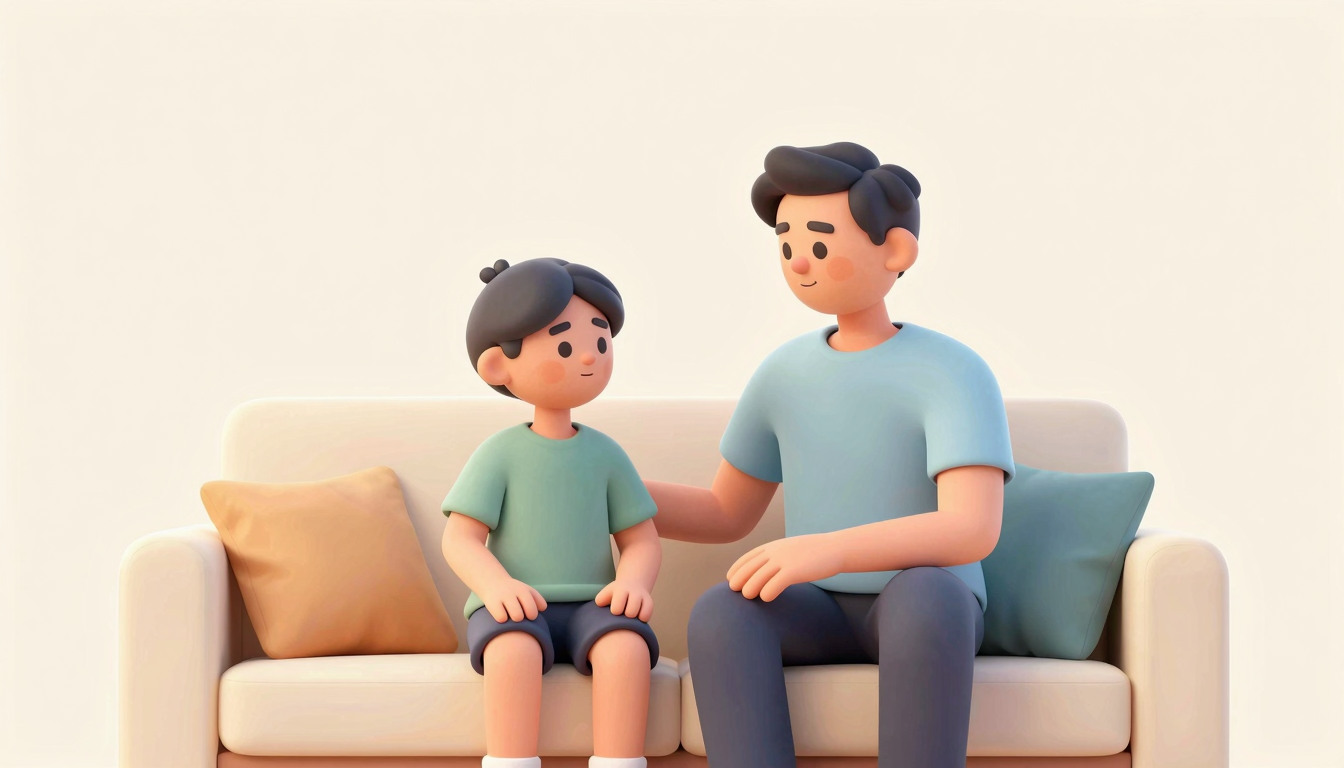
Listening is an immediate priority. Encourage your child to describe how they feel, listen patiently and offer comfort before rushing to give advice. Do not suppress their feelings or thoughts by telling them they must not talk about or even mention what happened. Storytelling, drawing and making things offer other ways to express feelings.
If your child feels guilty—for example, because they believe they should have prevented what happened—listen to their concerns and help them understand that some incidents are difficult to prevent. They can feel sad about an event without being responsible for another person's choices or behavior. Reassure them that their feelings are normal and acceptable to help ease their doubts.
Let your child know you are available to talk, check in gently and answer questions honestly at an age-appropriate level. Do not pressure the child to recount details or require a discussion before they are ready. Reassure them using facts about the current situation and actual protective measures, rather than promising that their personal risk is low when you do not know.
Keep explanations factual and suited to your child's level of understanding. Children in the early elementary grades need brief, simple information and reassurance about stability and continuity in their daily routines. Those in the later elementary and early middle-school years may have more questions about whether they are truly safe. They may also need help distinguishing what is real from what they imagine.
Support everyday life and recognize when help is needed
Restore ordinary routines and activities as soon as possible to provide a stable environment. Listening to music and exercising can help children relax and turn their attention to other things.
Pay attention to your own emotions and stress, too, rather than ignoring unease, sadness or anger. You might tell your child, “I feel very sad, but I believe things will get better.” The guide suggests that expressing your emotions effectively can help you support your child. It also recommends adequate sleep, nutrition and exercise as part of everyday care.
If your child's emotional distress persists over time—for example, for several weeks—seek professional help, such as a psychological counselor. Several weeks is an example, not a required waiting period: the guide also recommends consulting a mental health professional whenever you are concerned.
Circumstances that may make children more susceptible to severe reactions include a connection to the event, previous trauma or bereavement, depression or another mental illness, and special needs. These considerations need not occur together. Pay particular attention to children who may be at risk of suicide, and seek professional help if you are concerned.
These recommendations provide a broad framework. Understanding what happened and knowing your individual child can help you offer appropriate support, nurturing and guidance. Make use of available resources, including professional assistance.
Respond to particular difficulties
For fear of the dark, nightmares or difficulty sleeping alone, discuss age-appropriate arrangements without ridicule. A light or an open door may help some children. A comfort toy may be appropriate for an older child, but soft toys and loose bedding should stay out of an infant’s sleep space during the first year.
When a child's distress concerns a seriously injured peer, the guide offers words a parent might use: “Something very sad has happened. They're being treated in the hospital, and we feel worried and sad. We hope they'll be back with us soon. We also need to value our own lives and take care to protect them.”
If your family is under stress, try to maintain a positive outlook and take good care of yourself. Talk about what you are going through with relatives or friends you trust, and seek appropriate support, such as help from a social worker or psychological counselor.
Frequently asked questions
Can hearing about serious harm affect a child?
The guide explains that children who witness serious harm, or even hear about it, also need adult attention. Responses vary with the event, the child's connection to those involved and individual vulnerabilities.
Should parents wait several weeks before seeking professional help?
Several weeks is an example of persistent distress, not a required waiting period. The guide recommends consulting a mental health professional whenever you are concerned.
How can parents respond to nightmares or fear of sleeping alone?
Discuss age-appropriate arrangements without ridicule, such as a light or an open door. A comfort toy may suit an older child; infants under one year should sleep without soft toys or loose bedding. Seek help for persistent or severe distress.
Related articles

Related reading
- For a related but distinct situation, see: School Crisis Support: Helping Students While Caring for Teachers