Summary
From planning backward toward a small goal to marking the end of a workday, this guide offers practical routines that may help exhausted workers regain a sense of control amid continuing demands.
At a glance
The guide proposes five resets: choose a manageable goal, make room for rest, attend to your body, give work a rhythm and boundaries, and cultivate a steadier mental state. Its practices include backward planning, media limits, breathing, walking, dietary changes and reflective writing. They are offered as ways that may help people cope while pressures continue.
Coffee, heavy bags under the eyes, and another round of “Sure, got it.” Even anger barely finds expression: you get furious, then manage little more than feeling furious. Young Chinese workers have a rueful vocabulary for this existence—being “work animals,” carrying the unmistakable air of someone worn down by the job, or feeling “slightly unhinged.” Beneath the jokes lie fatigue and resignation.
A Chinese guide for overworked people, associated with a book whose Chinese title describes five resets for coping with stress and occupational burnout, begins with this exhaustion. Its writer describes burnout as a negative state brought on by work stress: physical and mental exhaustion, together with an aversion to work. In this account, excessive stress left unregulated over time can leave people exhausted, burned out and prone to procrastination. It may also bring insomnia, bodily aches and gastrointestinal problems. The writer makes a broader claim, too: stress may worsen almost every disease, including anxiety, depression, chronic pain, arthritis, asthma, allergies and even diabetes.
Work targets keep coming. Deadlines approach, relationships grow complicated, and family demands add their own weight. Faced with all of this, how can exhausted workers begin to help themselves?
Choose a manageable goal
The first reset is to sort through the events causing you stress. Once you recognize that unhealthy stress is taking a toll, the writer suggests choosing a goal around which you can build a workable plan. Four criteria guide that choice, abbreviated as MOST: motivating, objective, small and timely.
Start by listing possible goals and choosing the one you most urgently need to achieve—the motivating part. Give it objective criteria you can review regularly, so you can recognize progress and draw encouragement from it. Keep the goal small enough that success is within reach, preferably something you can accomplish without disrupting everyday life, and that offers a sense of accomplishment. Finally, give it a time limit: ideally, choose something you can achieve within the next three months.
With your MOST goal chosen, work backward. At the top of a blank sheet of paper, write “Finish,” your goal and a deadline no more than three months away. At the bottom, write “Start” and today’s date.
Work down the page from the finish toward the start. Just below “Finish,” write the last step you would need to complete to reach your goal. On the next line, write what would need to happen before you could take that step. Continue tracing the prerequisites backward, using as many steps as you need to connect the completed goal at the top with your present situation at the bottom.
Carrying out this plan step by step may, the writer suggests, gradually restore a sense of control and accomplishment, helping you move out of the helplessness that stress can bring.
Make room for rest
A plan gives you something to act on, but work, family, health and even hobbies can still bring exhausting pressures. The second reset is to make deliberate room for rest. The writer suggests starting with media stimulation: too much fast-paced information may contribute to burnout, fatigue, irritability and disturbed sleep.
Set limits on when and how long you use social media. The guide offers five checks a day, twenty minutes each, as one example. Set an alarm for each session; when it rings, stop browsing and put the phone out of sight.
Physical distance creates another boundary. Keep your phone away from the bedside so you are less likely to browse automatically before sleep, on waking or when you wake during the night. Adjust notification settings as well: turn off unnecessary news alerts and push notifications, and silence notification sounds.
Sleep deserves attention in its own right. Difficulty falling asleep, waking too early and interrupted nighttime sleep are three common problems the writer identifies. In this account, they may signal unhealthy stress that you are struggling to adapt to. Excessive stress may raise cortisol levels and disturb sleep, while poor sleep may increase stress in return, creating a cycle.
The response begins with kindness toward yourself. The writer describes insomnia, like stress, as common and urges readers not to blame themselves for a bad night. On days when you have not slept enough, try small restorative measures: avoid excessive exercise, stay hydrated and get adequate nutrition. If you need a nap, keep it brief. If you need coffee, try to have it before 3 p.m. If one day does not go well, give yourself some patience and try again tomorrow.
Before bed, make time for relaxing activities such as stretching or gentle yoga. Keep the bedroom dark and cool, and reserve the bed for sleep rather than eating, working or other activities.
Attend to your body
The third reset extends this attention to your physical state. The writer describes an ongoing exchange: stress and emotions affect the body, while bodily condition also influences stress and emotions. Adjusting how the body feels is therefore proposed as another way to ease the adverse effects of stress.
When everyday pressures feel excessive, try a five-second pause before an ordinary activity—washing dishes, waiting for a bus or opening your computer. The practice has three parts: stillness, breathing and holding.
Say “Still” silently or aloud, then deliberately let your body become as motionless as possible. Notice the quiet of that moment. Next, give your full attention to a deep inhalation and let your body relax. Finally, remain in that state briefly, attending to the present moment and enjoying the pause.
The writer explains that this brings bodily sensations, thoughts and feelings into awareness, engaging the connection between mind and body and briefly interrupting a mind that keeps rushing ahead. The practice may fail when tension is intense, however. In those moments, the suggested alternative is relaxation breathing.
Breathing and movement
The guide describes breathing under stress as faster, shallower and concentrated in the chest, and proposes slower, deeper abdominal breathing as a way to calm yourself quickly. Place a hand on your abdomen to feel its movement. Inhale through your nose as your abdomen expands, then exhale through your nose or mouth as it contracts.
Once you have mastered abdominal breathing, the guide suggests progressing to 4-7-8 breathing, which it also offers for times when you cannot sleep. Preferably lie down, keeping a hand on your abdomen to feel it rise and fall. Inhale deeply through your nose while slowly counting to four. Hold your breath while slowly counting to seven, then exhale through your nose or mouth while slowly counting to eight. Complete two or three cycles, then rest and breathe naturally. Once you have recovered, do another two or three cycles.
For a separate variation, continue abdominal breathing and place a hand on your chest as well. The writer suggests that this can feel a little like holding yourself, offering a sense of comfort.
Movement can also begin on a modest scale. Knowing that exercise is good for you does not necessarily make it easy to start. The writer recommends a small change that you try to repeat daily: set aside twenty minutes for a walk.
As you walk, notice how your body moves and how your feet meet the ground with each step. Pay attention to your breathing, and look around at your surroundings, both nearby and farther away. When you return, put a check mark on the calendar and take a moment to notice how the walk made you feel.
Eating habits
Eating is another part of the guide’s approach to bodily well-being. The writer describes the gut as playing an important role in emotion, mental health and coping with stress. Under pressure, people may become more inclined to choose fatty, sugary and salty foods—a pattern called stress eating. Healthier eating is offered as a possible way to help ease stress.
The recommendations distinguish three dietary categories. A Mediterranean-style diet includes fresh fruit and vegetables, whole grains, legumes, unsaturated fats from nuts and olive oil, along with fish oil, chicken and dairy. The guide also suggests eating less processed food, red meat, simple carbohydrates and saturated fat.
Prebiotic foods are presented as supporting beneficial gut microbes. Examples include whole grains, oats, apples, bananas, onions, artichokes, scallions, legumes, mushrooms and even cocoa. Probiotic foods are fermented foods such as yogurt and sauerkraut, which the writer says introduce some beneficial bacteria into the gut microbiota.
For readers accustomed to an unhealthy diet, the guide offers practical changes. Aim to eat five different kinds of fruit and vegetables each day, including some prebiotic vegetables. Cook with extra-virgin olive oil, replace red meat with fish and chicken, and eat more legumes for protein. Swap white bread for whole-wheat bread and juice for water, and include some probiotic foods each week.
At the supermarket, visit the fresh-food section first so that fresh ingredients fill your cart. Before reaching for a snack, pause to consider whether you are hungry or eating in response to stress. If what you actually need is a break, try changing your surroundings.
Give work a rhythm and boundaries
That need for a break also matters during work itself. The fourth reset addresses the pressure to devote every minute to work and squeeze more efficiency out of each one. Work and family responsibilities bring effectively endless demands; the writer proposes finding a better working rhythm for the brain.
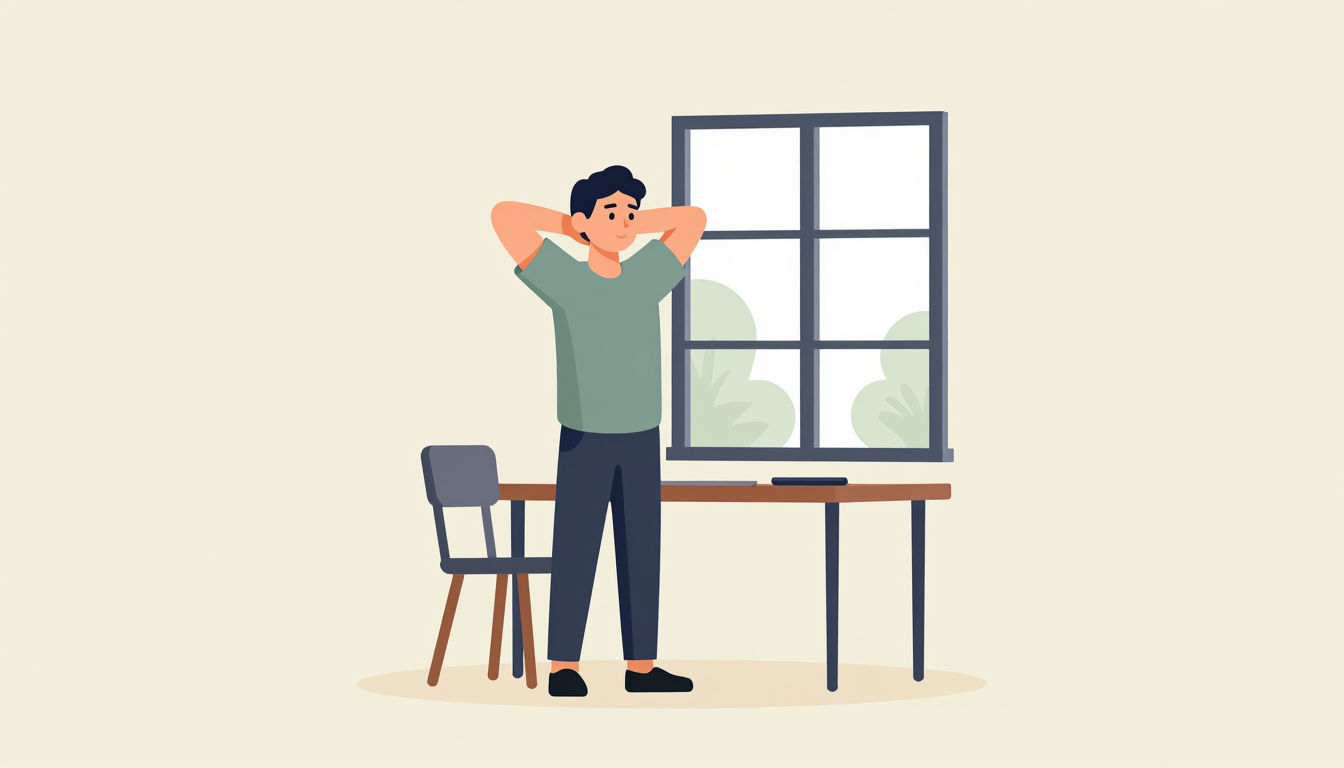
Build three-to-five-minute breaks into sustained periods of work—for example, twenty-five minutes of work followed by five minutes of rest. Use the pause to change your physical state: stand and stretch, look out a window while breathing deeply, walk along a corridor or climb some stairs. Notice how your body feels as you move. The writer suggests that these pauses can give the brain a reset and help prevent excessive fatigue from prolonged work.
Clear beginnings and endings offer another kind of boundary. The writer reports research suggesting that the brain favors compartments and boundaries, then proposes a practical application: place “bookends” around your work time. Before starting, spend five to ten minutes planning what you will do, signaling that work is about to begin. Afterward, take another five to ten minutes to wrap up tasks, review your progress and clear your workspace.
Cultivate a steadier mental state
Even with boundaries around work, self-blame and helplessness can persist. The fifth reset turns to these feelings. The writer describes the brain as trying to keep you alert by noticing more threats, an effort that may leave you even more tired. The following practices are offered as ways to interrupt negative thinking and support a calmer, steadier state of mind.
For a gratitude practice, keep a notebook and pen by your bed. Each night before sleep, write down five things you are grateful for, with a brief explanation of why each matters to you. They might be pleasant things that happened during the day or small comforts, such as having hot water for a shower. Continue every night for three months. At the end of each month, look back and ask whether your way of seeing everyday things has changed.
Writing can also give emotionally significant experiences more sustained attention. The guide presents expressive writing as a form of healing writing, attributing the approach to social psychologist James Pennebaker. As the writer reports it, Pennebaker recommends setting aside a period of time—fifteen minutes, for example—to explore emotional issues that have significantly affected you and your life, along with your deepest thoughts and feelings about them.
You might write about relationships with parents, partners, friends or relatives; about your past, present or future; or about who you are and who you hope to become. The guiding instruction is to keep writing as continuously as possible once you begin, stopping when the allotted time ends.
The guide’s writer also offers a broader way to think about the shape of a day: give it room for a whole lifetime. This proposal brings six elements together as everyday experiences—childhood, work, vacation, community, solitude and retirement.
Childhood means leaving some time for curiosity, playfulness and joy. Work means spending part of the day on an activity, paid or unpaid, that may offer accomplishment, meaning and even belonging. Vacation makes room for whatever feels satisfying and lets you unplug from demands: reading, baking, swimming, watching shows, eating snacks or simply lying around.
Community means spending time with others and reaching out to people who give you a sense of belonging. Even a brief phone call to a friend counts. The writer also reports research identifying relationships as the most important predictor of happiness in life.
Solitude offers time alone, with the possibility of creativity and a conversation with yourself. Retirement gives you a little space to reflect on how you are doing, assess what you have accomplished and gather what the day has given you.
Pressures and challenges remain an unavoidable part of life, and for people worn down by work, struggling with them can be a daily experience. The writer compares those pressures to a storm, hoping these practices can serve as a raincoat—something that may help you look after yourself while the storm continues.