Summary
How rigid standards, unrealistic planning and low task confidence can sustain procrastination, and how to distinguish avoidance from useful delay.
At a glance
Identify whether fear, planning or a deliberate priority is behind the delay. Use a manageable first step and realistic plan; a useful pause has a reason, return point and enough time left to finish.
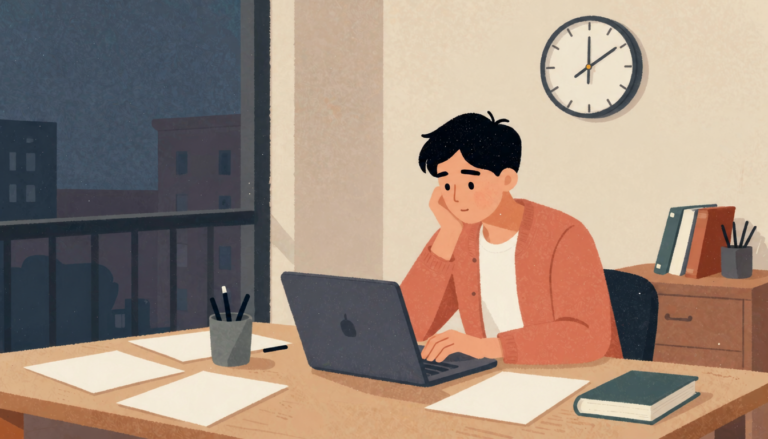
Procrastination can take up time without giving you much pleasure. You avoid the work, open your phone and spend the break feeling guilty. Nothing moves forward, but you do not feel rested either. Knowing that the delay may hurt you does not necessarily make beginning easier.
It helps to ask what the delay is doing. Are you avoiding a possible failure, working from an unrealistic plan or deliberately waiting because something else needs attention first? These situations can look similar from outside while needing different responses.
No. 1: Perfectionism
High standards are not automatically the problem. A person can want to do excellent work while accepting imperfect attempts and adjusting to circumstances. Trouble arises when the standard becomes rigid and the meaning of falling short becomes personal: “If this is not perfect, I have failed.”
Consider preparing for an exam. You draw up an ambitious revision plan, then discover that classes, family responsibilities and the difficulty of the material leave less time than expected. One response is to revise the plan: reduce the daily load, protect essential topics and leave room to return to difficult sections.
Another response is to keep the impossible plan and criticize yourself for not meeting it. A missed study session becomes evidence that you are unintelligent or incapable of sustained effort. The plan no longer organizes work; it supplies a daily opportunity to feel inadequate.
That can make starting threatening. If an attempt exposes a gap between the ideal and what you can currently do, waiting seems to postpone the verdict. You may tell yourself that you will begin when everything is ready. Unfortunately, perfect conditions rarely arrive, and the unfinished task becomes more intimidating.
Make the standard usable
Ask what a sufficient first attempt would contain. A draft can be rough, a practice answer can reveal mistakes and a study session can be useful without completing the whole syllabus. Leave room to improve the work after there is something to improve.
Breaking a large task into smaller ones makes this concrete. “Study for the exam” is difficult to finish in a sitting; “answer these three questions and check the mistakes” has a visible endpoint. Completing that step gives you information about both the material and what is realistic next.
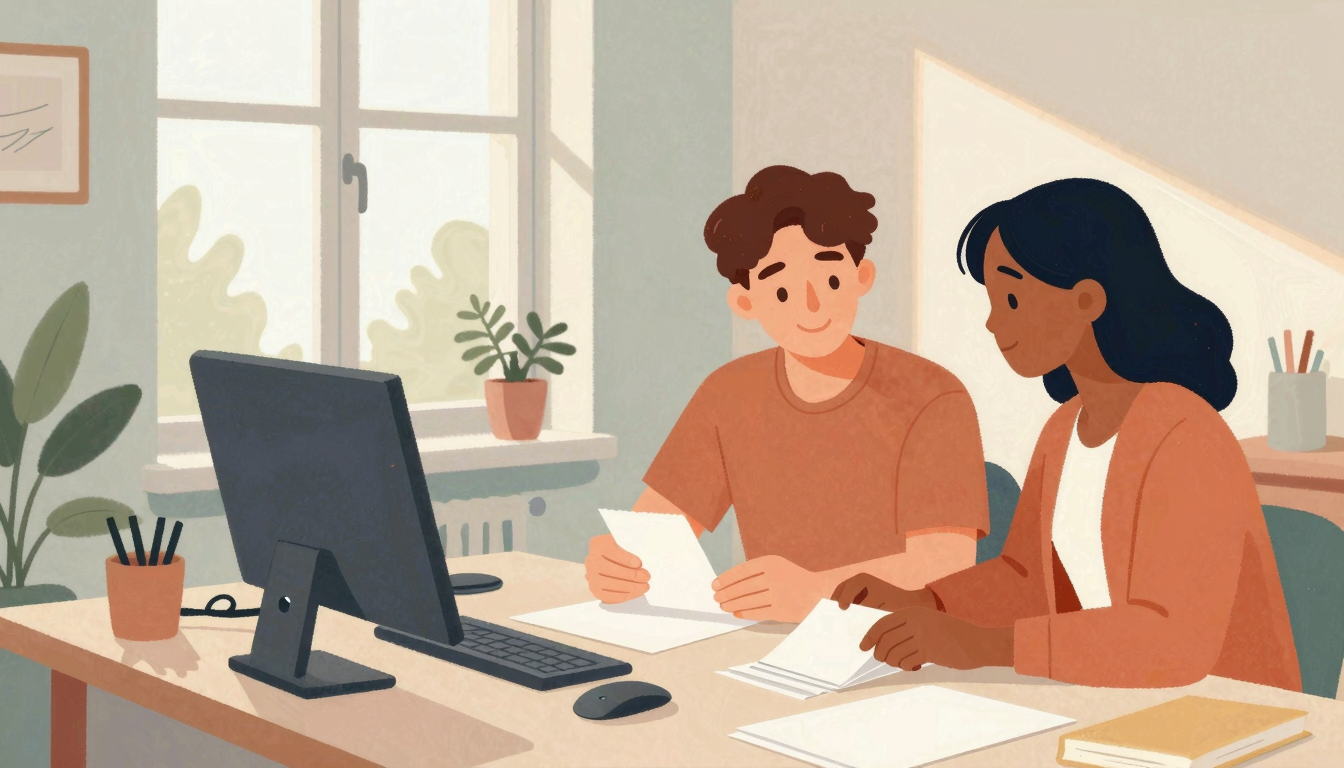
A supportive peer can help you keep the plan grounded. Agree on a manageable check-in rather than turning accountability into another competition. The useful question is what happened and what needs adjusting, not who is the more disciplined person.
Allow actual recovery too. When studying or working has left you tired, a walk, conversation, game or sleep may be appropriate. A planned break with a return point can offer more rest than an indefinite scroll spent condemning yourself for taking it.
No. 2: Poor Time Management
Sometimes a task remains undone because its practical requirements were never made clear. You underestimate the time, forget a prerequisite or reserve your least attentive hour for the most demanding work. Better planning can reduce those obstacles, although it will not by itself resolve every fear or emotional difficulty around a task.
Self-efficacy means believing that you can carry out a particular action. It is more specific than deciding that you are a generally capable person. A realistic plan followed by a completed step may provide evidence for that belief. Repeatedly failing an impossible plan can make the next attempt feel less promising.
This suggests a possible feedback loop. A workable plan supports progress; progress can strengthen confidence and willingness to continue. Conversely, disorganization and disappointment can reinforce avoidance. The relationship is not a simple law that poor planning causes every delay or that confidence alone prevents it.
Plan around the day you have
Identify when you can concentrate reasonably well and what else genuinely needs doing. Put the next action into a specific available period. Leave room for transitions, interruptions and tasks taking longer than expected. A schedule that uses every minute is often less useful than one that can survive an ordinary day.
Review rather than merely repeat the plan. If an hour was not enough, decide whether to allow more time, narrow the task or ask for help. The missed estimate gives you information. It need not become a statement about your worth.
Phone use can make boundaries around time porous. A short check becomes a succession of new things to read, while returning to the original task requires another decision. You do not need to label every distraction an addiction to change the arrangement. Put the device out of reach, silence nonessential alerts or choose a defined checking period if these measures suit the task.
A routine with enough rest and manageable activity can also make planning less dependent on forcing yourself through exhaustion. When delays remain severe despite practical changes, consider whether distress or another difficulty needs support beyond a better calendar.
No. 3: Active Procrastination—or Deliberate Delay?
Not every postponed action is harmful procrastination. Sometimes you knowingly put one task behind another because the second is more urgent. Sometimes you need information that has not arrived. A pause may also provide room to reconsider an idea before committing to it.
Researchers Chu and Choi used the term “active procrastination” to distinguish intentional delay from unwanted postponement. The practical distinction matters, whatever label you prefer: choosing a later start while protecting completion is different from repeatedly avoiding something you want and need to do. It is misleading to explain the second solely as a lack of ability.
John Perry’s Structured Procrastination offers a humorous firsthand account of doing useful work while avoiding another task. His examples include writing while other academic duties wait and spending time with students instead of grading. The observation is recognizable: avoiding one item does not mean doing nothing.
However, completing lesser tasks does not settle what happens to the important one. A tidy desk or several answered emails can be useful and still leave a real deadline endangered. Look at the consequences of the whole arrangement, not just the reassuring feeling of being busy.
When a pause earns its place
A useful delay has a reason, a limit and enough time left to act. You might gather missing information, let an initial idea settle or finish a genuinely more urgent commitment. Decide when you will return and what you will do then.
Starting immediately does not necessarily mean acting impulsively. You can begin by exploring a problem rather than locking in the first answer. Equally, waiting until pressure rises does not establish that pressure improved your work. Compare the result, stress and effect on other people with what a less compressed schedule might have allowed.
There is no universal sweet spot that makes moderate procrastination the best strategy for every person or task. Reflection helps only if you still have time to use it. A delayed decision can be thoughtful; an indefinitely deferred obligation can be costly.
A More Workable Relationship With Delay
You do not have to eliminate every pause. Aim to distinguish rest, prioritization and incubation from avoidance that leaves you worse off. When you notice yourself delaying, name the barrier and choose one response small enough to carry out.
If perfection is blocking the start, loosen the first-attempt standard. If the plan does not fit the day, change the plan. If waiting serves a genuine purpose, give it a return point. Progress becomes easier to assess when the question is what helps this task move—not whether you have finally become a person who never procrastinates.
Frequently asked questions
Do high standards always cause procrastination?
No. Rigid perfection-or-failure standards can block action, while flexible standards allow revision.
What is self-efficacy?
Belief that you can carry out a particular action.
Can postponing a task help?
Sometimes, when it serves a real priority or reflection and preserves enough time to finish.
Does pressure prove I work better late?
No. Finishing under pressure does not establish that the pressure improved the result or reduced its costs.