Summary
Rest works best when it eases ongoing demands and combines adequate sleep, personal observation and sustainable breaks.
At a glance
Choose breaks that reduce the effort you have been sustaining, protect enough sleep, and track fatigue patterns for several weeks. Coffee may improve alertness but cannot replace recovery.
A beautiful trip can leave you exhausted. So can five days spent lying around at home. Time away from your usual responsibilities does not always provide relief from them: your body may be still while your mind rehearses tomorrow's work, answers messages or worries about everything you have postponed.
That does not mean you are failing at relaxation. It means that the kind of rest you are taking may not match the demand that is wearing you down. Better rest begins with noticing that demand, making room for adequate sleep and building recovery into ordinary days.
When Switching Tasks Keeps the Demands Going
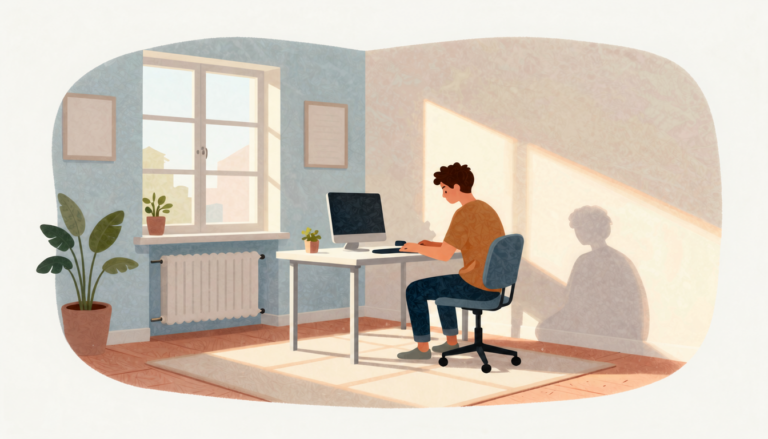
Leaving one task for another can feel like a break because the subject changes. The effort may remain much the same. Moving between two complex assignments still requires you to remember where you were, recover the relevant instructions and decide what to do next. A second demanding activity can therefore prolong the strain rather than interrupt it.
The image of two cars trying to occupy one parking space captures part of the problem: competing demands can get in one another's way. But the brain is not a collection of independent parking spaces for sight, hearing and movement. Listening to music is not automatically restorative because it uses hearing, and exercise can itself be demanding. What matters practically is whether the next activity eases the particular effort you have been sustaining.
After intensive study, a walk, some comfortable movement or enjoyable music may provide a useful change. Meditation is another option, although it does not always mean letting thoughts flow without attention. Many practices deliberately return attention to breathing or another present experience. NCCIH describes several forms of meditation, with different methods and uneven evidence for different outcomes. Choose something you find manageable rather than making your break another performance test.
You can also reduce the demands that follow you into downtime. Break a complicated goal into small, executable tasks so that you do not have to reconstruct the whole project whenever you return. Set simple routines for minor choices, such as meals or clothes, when doing so makes life easier. Group small administrative jobs into a designated period instead of reopening them throughout the day. Each approach reduces the number of unfinished decisions competing for attention.
Three Foundations for Better Rest
Protect Enough Sleep
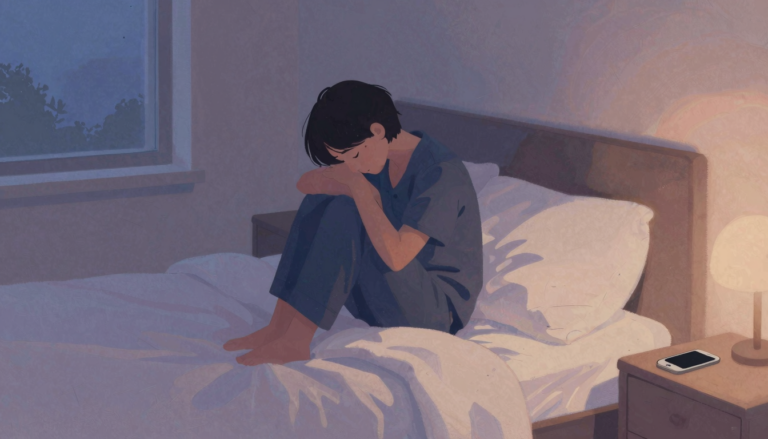
If you are sleepy, another productivity technique may be beside the point. A short nap can sometimes help, but it does not replace a regular opportunity for sufficient nighttime sleep. Cutting sleep to create more study time can undermine the concentration and learning that the extra hours were supposed to improve. NHLBI explains that adequate sleep supports attention, clear thinking and memory.
The goal is sufficient, reasonably consistent sleep overall, not forcing yourself into a long block of a particular sleep stage. Deep sleep is one part of a changing nightly pattern; trying to control it directly can add pressure without giving you a useful action to take.
If you struggle to fall asleep or wake too early, look at your routine across the whole day rather than collecting disconnected bedtime tricks. Persistent sleep problems deserve medical attention, especially when they impair daily functioning. Getting enough sleep is a foundation for recovery, and ongoing fatigue despite adequate opportunity to sleep also deserves assessment.
Learn Your Pattern Through Simple Records
It is easy to plan around the amount of work you wish you could do. A record can help you plan around what actually happens. For several weeks, note what you worked on, how long useful concentration lasted, when tiredness appeared and what was happening around you. Include breaks and sleep as well as completed tasks.
The practical question is specific: which part of the day is most productive for you, under what conditions, and at what cost later? A difficult afternoon after a short night means something different from an afternoon repeatedly interrupted by messages. A log helps separate those possibilities before you change your schedule.
The essay that inspired this approach uses psychologist Seth Roberts's personal experiments as an illustration. In its account, he tracked acne while trying prescribed tetracycline and later benzoyl peroxide, and also explored mood, weight and omega-3 intake. Such individual observations may raise questions, but they cannot establish that an acne treatment is ineffective for everyone or justify changing a prescription yourself. For rest, the useful lesson is the habit of recording an experience carefully, not treating one person's results as medical evidence.
The same approach can reveal patterns in procrastination. The source connects it with Neil Fiore's activity-recording advice in The Now Habit: meals or conversations may occupy more time than you realize and leave less room for a study goal. That does not make eating or friendship wasted time. It gives you a concrete choice about duration, timing and priorities. Keep the record long enough to see recurring patterns, then try a manageable adjustment and observe what changes.
Put Recovery Into the Day
A stopping time deserves a place beside a starting time. A timer can help you remember to pause before work becomes a long, exhausted stretch. Twenty-five minutes of work followed by five minutes away is one possible rhythm, not a biological rule. A longer focused session may suit some tasks; a shorter one may suit others. Use your attention and circumstances to adjust it.
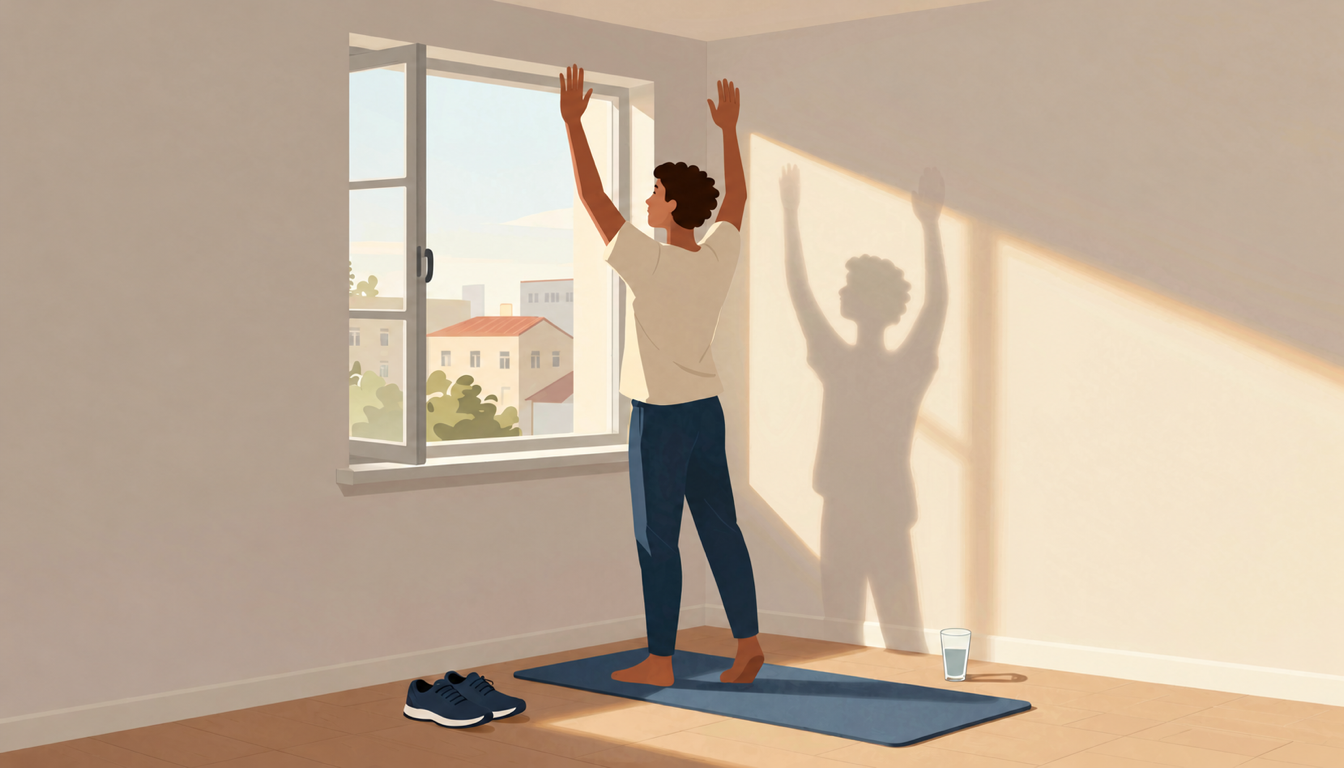
During a break, stand, walk a little or get some water if that is comfortable for you. For some people, running, hiking, swimming or cycling with friends provides both movement and company. Choose an intensity that fits your health and energy; exercise does not have to be strenuous to count as a change from desk work.
Recovery also depends on the surrounding routine: regular meals, sleep, manageable movement and supportive relationships. Avoiding isolation matters, but social contact need not fill every free hour. The aim is a pattern you can sustain, with enough connection and enough space to stop responding to demands.
What Coffee Can and Cannot Do
Coffee can make it easier to keep going, which is precisely why it is tempting when a deadline prevents a break. Feeling more alert, however, does not mean you have obtained the recovery that sleep would provide. Repeatedly using caffeine to extend a depleted day can leave the underlying schedule unchanged.
There is no need to turn that distinction into a blanket ban. The FDA says caffeine can be part of a healthy diet for most people, while emphasizing variation in sensitivity, medication effects and health circumstances. Excess caffeine can cause sleep disruption, anxiety and other symptoms. If it interferes with your sleep, its short-term help may make tomorrow's tiredness harder to manage.
A useful response to fatigue therefore has two parts: reduce the demands you reasonably can, and support your capacity to recover from the demands that remain. Record your actual limits, give sleep enough room, pause during demanding work and choose breaks that feel restorative. Rest becomes more reliable when it is part of how you live and work, rather than something you hope a holiday will finally repair.
Frequently asked questions
Does switching activities count as rest?
It can, if the new activity eases the demands that tired you. Another complex task may keep those demands going.
How can I learn when I need a break?
Keep a simple record of work, concentration, sleep and fatigue for several weeks, then adjust one manageable part of your routine.
Must I follow a 25-minute timer?
No. A 25/5 rhythm is an optional starting point, not a universal biological rule.
Should everyone stop drinking coffee?
No. Sensitivity and circumstances vary; caffeine should not replace sleep or repeatedly disrupt it.