Summary
A fictional character’s indebtedness and a hypothetical classroom dilemma reveal a tension in gratitude: the wish to repay kindness can strengthen a relationship while creating pressure to protect a benefactor at others’ expense.
At a glance
Gratitude can support close relationships, but research reported in this account suggests it may also increase willingness to lie or treat others unfairly when doing so protects a benefactor. The desire to maintain a relationship and avoid harm to someone who helped us may influence that choice. Gratitude does not make wrongdoing inevitable, and gratitude for past help can persist without a willingness to lie.
The television drama featuring Lao Mo and Gao Qiqiang sparked widespread online discussion during the winter holidays. Among its characters, Lao Mo drew sympathy as a man of loyalty and deep feeling who seemed to have little control over his fate. Much of his role involves “killing fish” for Gao Qiqiang—fish imagery that also evokes the violence he carries out on Gao’s behalf. After leaving prison, he has the chance to reunite with his daughter and begin a new life. Why, then, does he become Gao’s “fish knife,” an instrument of violence?
The writer discussing gratitude through this drama argues that Lao Mo’s decline begins when he accepts Gao’s fish stall. Unable to find a way to earn a living after prison, he feels profound gratitude for help that arrives when he desperately needs it. His determination to repay that kindness makes him unable to refuse Gao’s demands. Step by step, repayment takes precedence over moral principles and even the lives of innocent people, until Lao Mo becomes the knife in Gao’s hand.
His predicament raises an unsettling question: can gratitude, under certain conditions, undermine the moral judgment we might expect it to support?
Drawing on similar patterns in film and television, the writer makes a forceful argument: the best way to control someone is to help or rescue them, more effective than hiring or threatening them. In these stories, control takes hold gradually as the helper draws closer and the recipient’s attachment deepens. A bond built on gratitude can survive the end of a contract or a disagreement over interests. The relief it brings may be real, even as it gives someone a concealed means of influence—a hand that soothes pain while quietly steering the heart.
Another familiar fictional scenario makes the exploitation deliberate: someone unable to win the affection of the person they desire stages a heroic rescue, hoping gratitude will win that person’s love. The rescue serves the rescuer’s wishes. Such stories illustrate how gratitude can be exploited under particular conditions.
Yet gratitude has long been called the “parent of other virtues” and understood as a common emotional response to kindness. Research cited by the writer suggests that it can, to some extent, encourage behavior that benefits others and help relationships develop. Those benefits can coexist with the difficulties illustrated by these stories. A less dramatic hypothetical brings the tension closer to everyday life.
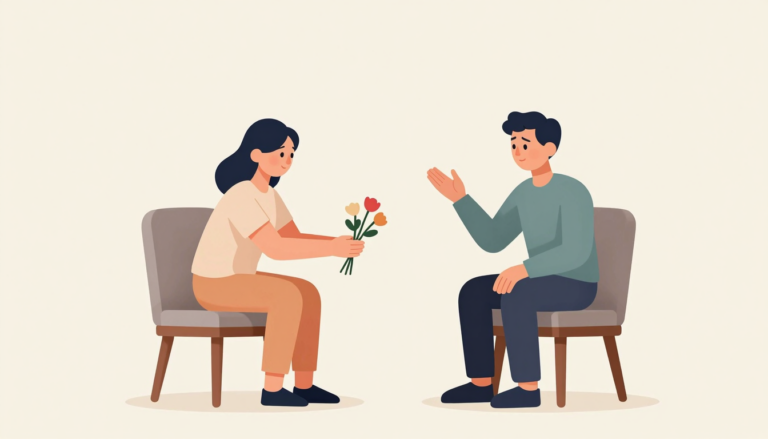
Imagine that you have a close friend in your class who often helps you work through difficulties with your studies and everyday life. One day, this classmate is absent. The teacher calls their name, then asks you where they are. What would you say?
The dilemma is whether to cover for your friend to preserve the relationship or answer honestly. If gratitude makes protecting the relationship your priority, it could encourage you to break a moral rule for the sake of someone who has helped you. Only you can say how you would respond. But the situation raises broader questions: do people repay kindness at the cost of their moral principles, and what influences that choice?
Research reported by the writer suggests that gratitude can increase the tendency to break moral rules when doing so benefits a benefactor. In particular, Ruida Zhu and colleagues found an increased willingness to lie and treat third parties unfairly when those actions protected a benefactor from harm.
The writer suggests that this troubling effect may be connected, to some extent, to gratitude’s familiar role in promoting close, high-quality relationships. Gratitude can focus our attention on strengthening a bond, and that focus may lead us to neglect moral principles.
In the classroom scenario, you might feel so grateful for your friend’s help that you want to stay close. You might spend your money treating them to a generous meal or give your time to accompany them to a movie. Either could strengthen the friendship. But the same wish for closeness might also lead you to conceal from the teacher that your friend skipped class without a valid reason. The desire to nurture the relationship could find expression in dishonesty.
What makes that desire compelling enough to influence the choice? One possibility raised in research cited by the writer is that a strong motivation to build a relationship can lead grateful people to regard those who help them as friends and avoid damaging their interests. Applied to the classroom dilemma, the writer suggests that wanting to preserve the friendship could create pressure to cover for your absent classmate.
That pressure does not make lying inevitable. Suppose your friend’s decision to skip class disappoints you so deeply that you no longer want to remain friends. You could still feel grateful for all their past help without being willing to lie to the teacher or abandon your moral principles on their behalf.
How you understand the help itself may also matter. Some researchers cited by the writer have proposed that gratitude depends on three features: the helper’s intention, the cost they incur, and the benefit the recipient receives. The writer explains this in terms of your appraisals: gratitude grows when you see the person’s motives as kindly rather than self-interested, believe they have incurred greater costs in helping you, and find greater value in what you received.
Beyond the help already received, there is the value you see in a continuing relationship. In the writer’s explanation, perceiving greater potential future value in someone who has helped you can strengthen your desire to form a lasting bond with them. This “relationship utility” may influence whether you break a moral rule on their behalf through its effect on your motivation to build and maintain the relationship.
A further explanation concerns resistance to letting the benefactor suffer. The writer calls this harm aversion, defined here as an aversion to actions or events that damage a benefactor’s interests. Gratitude can, in this explanation, make us so resistant to seeing someone who has helped us suffer harm that we would rather commit a wrong ourselves than allow that person to be harmed.
Does this mean we should stop feeling grateful? No. Gratitude itself is not dark; the writer’s caution concerns people who might exploit it. We can continue to meet the world with gratitude while recognizing the risks of letting thankfulness and the urge to repay kindness guide us blindly.
Gratitude is a brush: it can paint vivid beauty or fill the canvas with darkness. The paints are in your hands. Consider carefully how you choose to mix them.
Frequently asked questions
Does gratitude always lead people to break moral rules?
No. The reported finding concerns increased willingness to break moral rules when doing so benefits or protects a benefactor. The classroom hypothetical also allows gratitude for past help to remain after the desire to continue the friendship ends, without a willingness to lie.
What does harm aversion mean in this account?
Harm aversion means resistance to actions or events that damage a benefactor’s interests. The writer explains that gratitude can intensify this resistance, making someone prefer committing a wrong themselves to allowing their benefactor to suffer harm.
How might relationship utility influence repayment?
In the writer’s explanation, seeing greater potential future value in a benefactor can strengthen the desire for a lasting relationship. This relationship motivation may then influence whether someone breaks a moral rule on the benefactor’s behalf.