Summary
Fear of damaging a relationship can make refusing difficult, while fear of imposing can keep us from asking. Two research programs suggest our expectations may be overly pessimistic in both directions.
At a glance
The two research programs described suggest that people may overestimate the interpersonal costs of saying no and underestimate others’ genuine willingness to help. Refusals can still have negative consequences, and no particular request is guaranteed acceptance. We may have more room to ask and refuse while respecting everyone’s freedom to choose.
Deciding whether to say no can be exhausting. So can wondering whether someone else will say no to us.
Imagine a roommate asks to borrow your homework for reference. Would refusing make things tense in the dorm? Former high-school classmates invite you to a weekend meal, and you wonder whether declining would make you seem unsociable. You want to ask more senior students about their experience with applications, but hesitate: do you know them well enough to ask? Or you consider approaching shops about a possible collaboration, only to think they probably won’t even respond.
We can fear devastating consequences from turning someone down while assuming that others are bound to turn us down. But are things really as bleak as we imagine, or have our worries about refusing and being refused gone too far?
What do we expect saying no to cost?
For many of us, if we were AI systems, our default response would seem to be “yes.” Saying no can feel so difficult that we take on work beyond our responsibilities, attend gatherings we would rather skip, and put up with relationships we dislike. Often, we hesitate because we fear seeming unfriendly or damaging a relationship.
Refusing someone can indeed have negative consequences. But how accurately do we judge how serious those consequences will be?
In one research program, researchers examined this question by asking two groups of participants to imagine the same refusal from opposite sides. One group imagined that a friend had asked them to design a logo, but they had turned down the request because they were busy with work. The other group imagined asking a friend to design a logo and being turned down because the friend was busy. Those in the refuser role predicted the negative consequences, while those receiving the imagined refusal rated its negative impact on them.
The researchers reported that refusers’ predictions were more pessimistic than recipients’ ratings across five areas. Refusers overestimated how hurt or otherwise upset recipients would feel, how unfriendly recipients would consider them, and how much the relationship would suffer. They also overestimated how much the refusal would reduce recipients’ willingness to help them in the future, and how likely recipients would be to speak negatively about them to others—for example, by saying they were unfriendly. The anticipated costs were greater than recipients reported within the imagined scenario; that did not mean those costs were absent.
A follow-up study moved from imagined situations to recalled experiences. The researchers asked people to recall an occasion when they had refused someone and estimate the negative consequences. They then obtained contact details for the people who had been turned down and asked how that refusal had made them feel. Once again, those who had said no overestimated the negative consequences compared with what the recipients reported. A further series of studies reportedly supported the same conclusion.
Perhaps part of our reluctance to say no comes from imagining consequences worse than the other person experiences. The next time someone makes a request, we might give our own wishes more weight in deciding how to respond.
What if someone agrees but doesn’t want to help?
Yet saying yes so readily to others does not necessarily make asking any easier. When the roles reverse, we may become just as pessimistic. Will the other person turn us down? And even if they agree, will they actually want to help?
We might hesitate over thoughts like these: “This will only create trouble for them. Maybe they don’t want to help but will say yes because they feel obliged, or because they don’t want to seem rude. Perhaps I’d better not ask.” The fear of imposing can stop us before we make a request, even when we imagine the answer might be yes. But how accurately do these expectations reflect the other person’s feelings?
A second research program examined the gap between what requesters expected and what helpers themselves reported about their willingness, feelings, and inconvenience. One possible explanation for overly pessimistic expectations is that, when asking, we imagine the other person agreeing out of compliance rather than a sincere desire to help.
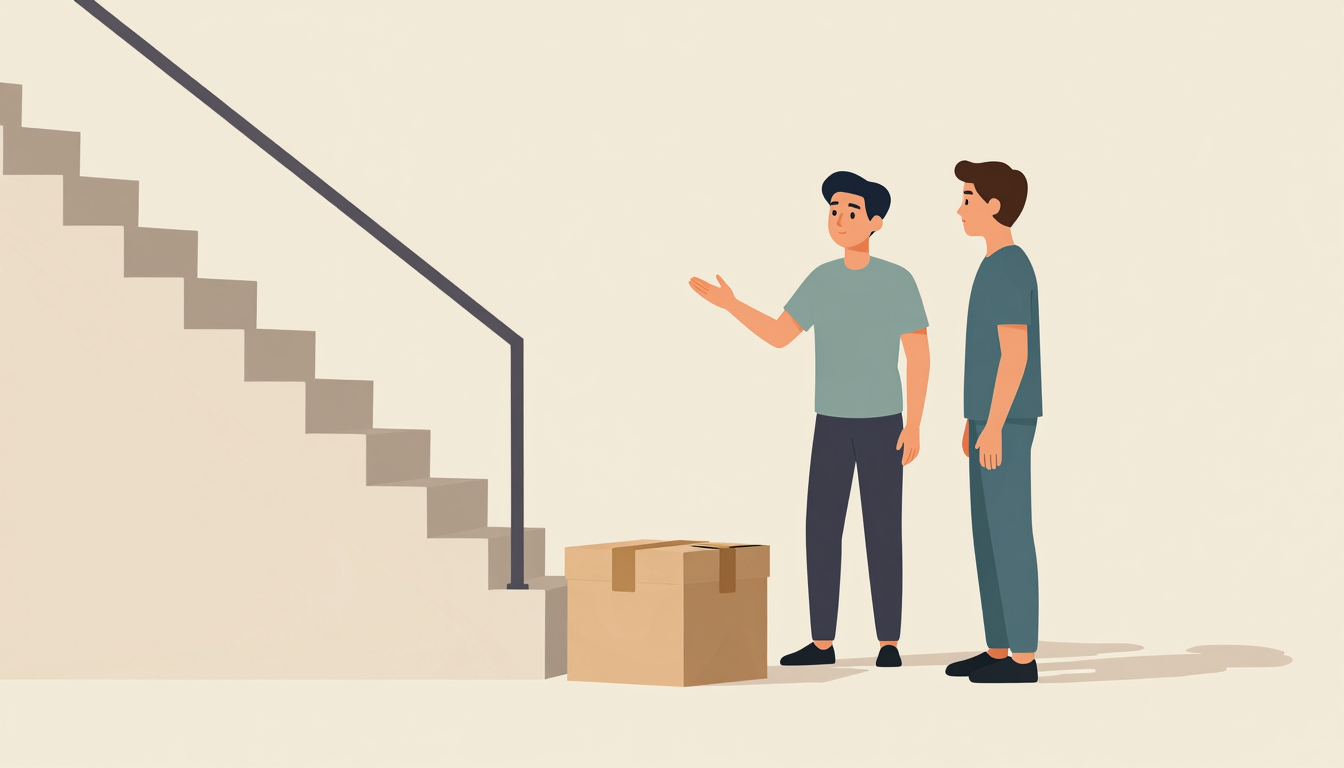
In one experiment, participants were randomly assigned to requester or helper roles and asked to imagine a specified situation. The scenarios included borrowing a stranger’s phone, moving a box down several flights of stairs, and demonstrating how to use a library self-service machine. First, requesters imagined asking for help and estimated how willing the other person would be to provide it. Helpers imagined receiving the request and reported how willing they themselves would be to help.
Everyone then imagined that the help had been provided. Requesters estimated how happy the helper would feel afterward, how inconvenienced they would feel while helping, and what would have motivated them to agree. Helpers answered the corresponding questions about their own feelings and motives in the imagined situation.
The researchers found that requesters expected less willingness to help, and a lower likelihood of helping, than helpers themselves reported. Requesters also predicted less happiness afterward and more inconvenience during the help than helpers reported when imagining those experiences.
The gap extended to motives. Requesters gave too little weight to a genuine desire to help others and too much to compliance, compared with helpers’ accounts of their own imagined motives. The researchers reportedly found a consistent pattern in other laboratory and field studies as well.
The experiment also examined how uncomfortable helpers would feel when deciding to turn down a request. Requesters underestimated that discomfort compared with helpers’ own ratings in the imagined scenario. This concerned the helper’s feelings about deciding to say no, separate from the inconvenience of providing help or the hurt felt by someone whose request was refused.
The researchers also varied whether the requester expressed gratitude in the imagined exchange. Helpers reported more positive feelings about having helped when gratitude was expressed. Within the analysis of that manipulation, this was the only statistically significant effect reported; the other main effects and interactions tested did not reach statistical significance.
Perhaps we sometimes hesitate to ask because we underestimate how sincerely someone might want to help—and how good they might feel about doing so. We may accept extra hardship rather than turn someone down, yet keep our own requests to ourselves because we anticipate being a burden or doubt that anyone would willingly help.
Taken together, these two research programs suggest that our expectations may be too pessimistic in both directions. Saying no need not make someone see us as cold or damage the relationship as much as we fear. Asking for help may cause less inconvenience than we expect and be met with more genuine willingness. Refusals can still have negative consequences; those consequences may simply be smaller than we imagine.
Perhaps we can give ourselves a little more room to be ourselves in relationships: to ask, to refuse, and to make decisions that reflect our own wishes. That takes some trust that a relationship can withstand a single request or refusal, even though no particular response is guaranteed. Making a request and declining one are both freedoms we can exercise. We need not surrender or discount our own freedom to act and decide, and we owe others the same respect for their freedom to choose.