Summary
A supposedly bare face can conceal careful enhancement. The writer examines this contradiction through self-acceptance, selfie practices and the search for approval, ending with the hope that beauty remains a choice.
At a glance
The writer distinguishes genuine self-acceptance from presenting concealed cosmetic or digital enhancements as an unaltered appearance. Reported research links selfie investment and manipulation with negative body image through correlations, while positive feedback may reinforce appearance control. In the writer’s account, acceptance allows room for imperfections and continued improvement.
Accept your bare face—and heavily retouch its photograph. A declaration of self-acceptance can conceal a very different practice.
Imagine opening a red magic book. Inside is a bewildering mix of videos, Live Photos, personal tips, and notes: a particular beauty aesthetic, styling ideas for short hair, princess-themed portraits, and photo-editing techniques advertised as ways to “restore your beauty.” Dense instructions on applying makeup and becoming more attractive sit alongside enthusiastic appeals: “Come on, sisters, be confident! Reject appearance anxiety! Make peace with your bare face!”
Why should a face without makeup be something you need to make peace with in the first place? And why do some people proclaim that acceptance while wearing subtle makeup and quietly retouching their photographs to “restore” their beauty?
The writer begins with self-acceptance: recognizing your strengths and weaknesses while still feeling satisfied with yourself as a whole. A quotation attributed to a book puts acceptance and effort together: “Self-acceptance means honestly accepting the self that cannot yet do something, then doing what you can to work toward being able to do it, without lying to yourself.”
The psychologist Maslow is credited with the view that a healthy person can accept themselves and human nature without resentment or complaint, just as someone would not complain that water is wet or stone is hard. The writer draws a simple meaning from this: being different or having flaws need not stop you from recognizing your own worth.
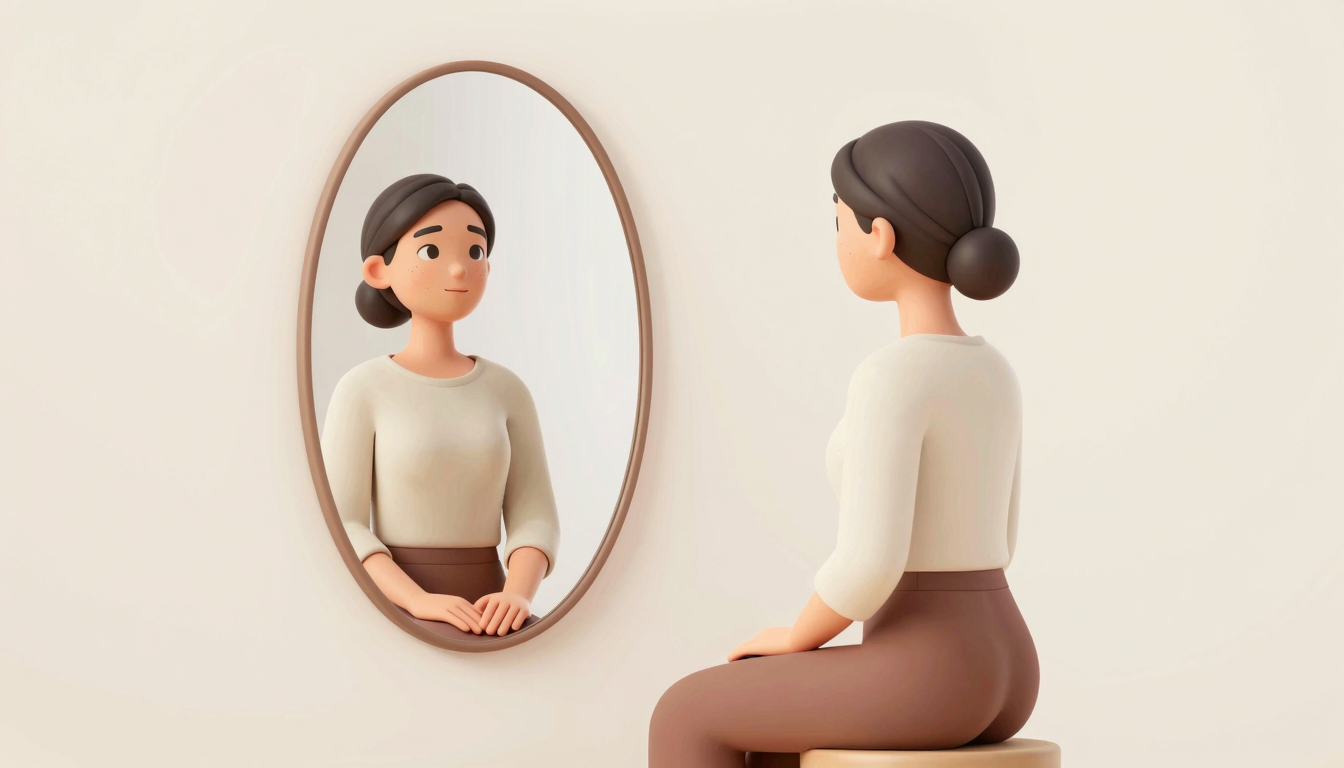
In the writer’s account, self-acceptance means sincerely loving your body and appearance even when you are not happy with every feature. It means protecting yourself against negative judgments while considering criticism objectively, without letting it drag you into an emotional low. You can acknowledge your shortcomings without punishing yourself for them, and recognize and trust your abilities. Accepting your bare face matters in this sense: it is a way of accepting your real self.
The writer sharply rejects the staged version of that acceptance. Many bloggers on Douyin, Weibo, and Xiaohongshu, the writer argues, construct supposedly bare faces with atmospheric lighting, tightlining, lip gloss, filters, and cosmetic contact lenses. The enhancements stay concealed while the resulting image is presented as evidence of self-acceptance. This, in the writer’s criticism, is disguised boasting under the banner of acceptance—a performance that can fuel appearance anxiety in others. The objection concerns presenting a carefully enhanced appearance as an unaltered one and offering it as a model of being at peace with yourself.
Appearance anxiety may also lie behind the performance itself. The writer suggests that someone unable to accept their actual appearance or its small imperfections may follow the acceptance trend to attract attention and approval, hoping that recognition will ease their anxiety.
A related psychological concept is negative body image. Body image encompasses perceptions, thoughts, beliefs, and feelings about the body—how someone subjectively sees its shape and appearance. Negative body image involves dissatisfaction with, or aversion toward, one’s body and looks.
The writer proposes that dissatisfaction with the real self, self-rejection, disgust, or doubt may lead someone to rely on excessive photo editing or makeup to relieve anxiety and other painful emotions. The alterations seem to promise relief: feeling relaxed and confident, free of anxiety, and finally satisfied with the person on the screen.
But does editing a photograph actually bring confidence?
To explore that question, the writer distinguishes two psychological concepts. Selfie investment concerns how much someone cares about a photograph’s quality, how it represents them, and the effort they put into choosing a photograph to post. Selfie manipulation means using software to alter elements within the photograph before posting, including the appearance of bodily features.
The writer reports that numerous studies have found positive correlations between both practices and negative body image, interpreting these findings as longer periods of selecting and editing photographs accompanying greater anxiety and dissatisfaction with one’s body. The blunt formulation is “More editing, more anxiety.”
The response to a posted photograph can also become entangled with appearance anxiety. The writer suggests that even more likes on a flattering photograph may come with greater anxiety, citing a possible explanation: positive feedback may reinforce attempts to control one’s appearance, which can in turn increase anxiety.
A separate cited account concerns how a lack of feedback is interpreted. Sometimes, receiving few likes on a selfie posted to Moments may be read as other people judging one’s appearance negatively. The few likes are observable; the negative judgment is an interpretation, rather than something the response itself establishes.
Viewing other people’s selfies also enters the picture. In research summarized by the writer, researchers reported a positive correlation between how often people viewed others’ selfies on social media and negative body image: those who viewed them more frequently were more likely to feel dissatisfied with their own bodies.
Separate experimental studies reportedly found that viewing attractive selfies on social media reduced participants’ body satisfaction. This finding held whether the people pictured were celebrities or not, and whether or not they were engaged in fitness activities.
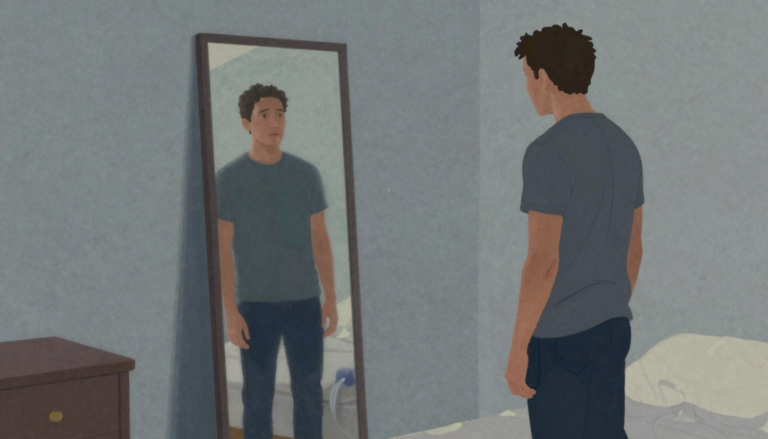
For the writer, changing and concealing outward appearances cannot resolve the anxiety at its root; finding a way out requires accepting and appreciating yourself from within. Acceptance is an important first step toward improvement, rather than giving up. Constant denial and resistance get in the way of assessing people and situations clearly and objectively. Acknowledging a problem or an imperfection allows you to see it more calmly and fully—to regard yourself and others as human beings, instead of treating yourself as a mannequin in a shop window.
The writer’s hope is that throughout life, or at least in the time you regard as your own, you can remember: beauty is a choice, not an obligation.
Frequently asked questions
Does self-acceptance mean liking every feature of your appearance?
In the writer’s account, self-acceptance means sincerely loving your body and appearance even when you are not happy with every feature.
What is the difference between selfie investment and selfie manipulation?
Selfie investment concerns photograph quality, how a photograph represents someone, and the effort spent choosing one to post. Selfie manipulation means altering elements within the photograph before posting, including bodily features.
Do few likes establish that others judged your appearance negatively?
Sometimes, receiving few likes may be interpreted that way. The few likes are observable; the negative judgment is an interpretation, rather than something the response itself establishes.