Summary
A purchase can feel different when money leaves as digits. Payment pain, the reluctance to break a large banknote, and unexpected promotional rewards offer three explanations for why.
At a glance
Electronic payment may make spending easier by softening the pain of paying, weakening the restraint associated with keeping large banknotes intact, and creating repeated opportunities for promotional rewards to feel like windfalls. These are the writer's proposed explanations, particularly for purchases for pleasure. Before confirming a mobile payment, consider whether you would willingly hand over cash for the same purchase.
Does paying electronically make it easier to spend more? Perhaps you have decided to cut your living expenses by setting a daily spending limit and saving what remains. For a day or two, you stay within budget. A few days later, the resolve gives way.
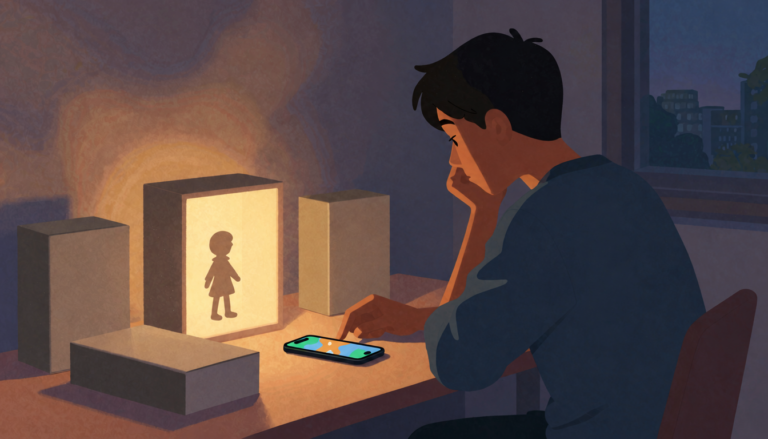
Even keeping track of every expense may not make the spending feel real. The entries can seem like a collection of numbers rather than money you have parted with. Money slips away almost unnoticed, without much of a sting.
The writer exploring this disconnect offers three explanations. Electronic payment may soften the feeling of parting with money, weaken the reluctance to break a large banknote, and create more opportunities for rewards that feel like unexpected windfalls. Each could make spending easier, particularly purchases for pleasure.
Prelec and Loewenstein’s mental-accounting model describes how payment and consumption can influence one another. A 2024 meta-analysis found a small average association between cashless methods and increased spending across the included studies. That does not mean cash always hurts more, or that every person spends more electronically.
That comparison centers on payment transparency. In the writer's account, cash is the most transparent way to pay: you see what your money buys, take part in calculating the amount, and physically hand it over. Greater transparency makes spending more noticeable, increasing reluctance to pay and reducing both the likelihood of a purchase and the amount spent.
Think of the slight hesitation you may feel when taking money from your own pocket and giving it to someone else. Credit cards and electronic payments can feel less tangible. Their relative opacity, the writer argues, softens the pain of paying to some extent, weakening the restraint on an impulse to buy.
Imagine two ways of losing 20 yuan. In one, you pull a 20-yuan banknote from your pocket and toss it into the air, letting the wind carry it to whoever happens to receive it. In the other, you scan to pay 20 yuan for an item on a shopping platform, then lose it before you have used it even once. Would watching the banknote blow away feel more painful—and stay with you longer—than losing the unused purchase?
Timing may matter too. Delaying part of the cost can make a purchase feel easier to accept now, but installment arrangements vary: some require an initial payment. The later payments remain obligations, and any interest or fees affect the total cost. This proposed mechanism does not establish that every installment purchase exceeds what the same person would spend in cash.
Beyond how visibly or immediately money leaves us, there is the question of how we organize it in our minds. Mental accounting theory describes the psychological separation and management of money in different accounts. In the denomination-based account the writer draws on, large banknotes and small denominations occupy different mental categories. Keeping a large note unbroken can serve as a brake on spending. More generally, people tend to exercise restraint over larger sums while paying less attention to small expenditures—a tendency described as “guarding the large and letting the small go”.
The writer recalls being especially reluctant as a child to spend larger notes or break intact denominations of pocket money. Instead, they would often gather small banknotes and coins to buy snacks at a small shop.
Cash provides physical denomination cues. Research on the denomination effect found that a large note can help people restrain spending relative to an equivalent amount in smaller denominations. A digital balance lacks the same note to break, but this does not show that people stop distinguishing large from small amounts or lose all spending restraint on a phone.
There is a touch of nostalgia here: a displayed balance of 100 yuan has the same purchasing power as a 100-yuan banknote, yet for the writer, the physical note carries a solemnity and sense of ritual that digits cannot replace. A small tear for a passing era, perhaps. With electronic payment so widespread, it can be hard to recapture the experience of paying cash. Recognizing its possible influence on this mental distinction remains something we can take from the discussion.
Mental accounts can also depend on how money comes to us. Research cited by the writer associates windfall income with greater spending and a stronger preference for spending on pleasure. The writer connects that finding to electronic red envelopes and coupons: these rewards may enter the mental account reserved for unexpected gains.
Imagine someone finding five yuan on the ground before electronic payment became widespread. They might hand it to the police or spend it on a drink or some snacks. But how many would put it away as part of their savings? The writer doubts that many would.
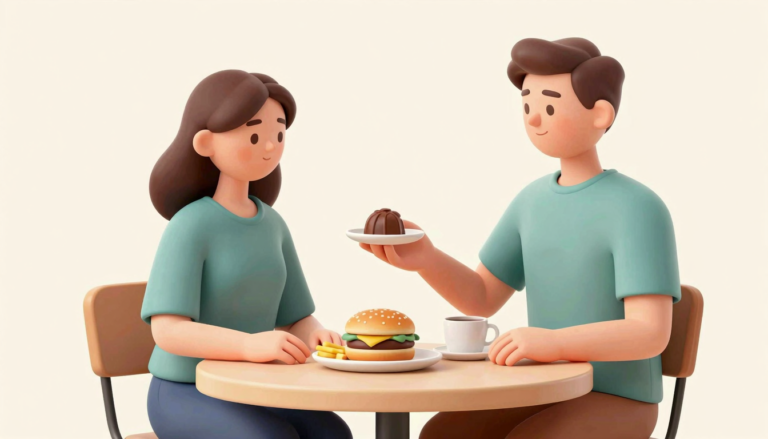
Now imagine browsing a shopping or food-delivery platform when a coupon unexpectedly appears, offering five or ten yuan off. The writer compares that surprise to walking past a supermarket and finding five yuan on the ground. In the cash version, the discovery lifts your mood. You head into a small shop, take the plunge, and pay the full 15 yuan for a toy you would normally hesitate to buy. A coupon offers a discount rather than cash to spend freely, but the analogy captures how a perceived windfall might encourage an extra purchase for pleasure.
The chances of finding cash outside a small shop are tiny. Electronic payment, the writer argues, gives countless merchants a way to create similar surprises again and again. Platform promotions include messages such as “Scan to claim a large red envelope,” “Claim special coupons every day,” and “Claim cash every day.” The list goes on.
Promotions may be experienced as unexpected gains, but familiar daily coupons need not be unexpected, and discounts can have minimum-spend or other conditions. Their influence depends on the offer and the purchase. Promotional design is separate from the payment method itself; it is not evidence that electronic payment inevitably increases pleasure spending.
Yet for the writer, what we pay for often matters more than how we pay. We may impulsively order things for ourselves online yet rarely send our parents a gift. Sometimes we hesitate; sometimes we act with resolve. A story about spouses exchanging gifts offers a brief literary illustration of spending priorities: each buys the other a gift beyond their means.
The next time you scan with your phone and are about to enter your payment password, pause over one question: if you were paying cash, would you willingly hand over the banknotes for this same purchase?
The writer's parting thought is pointed: big data can guess what you want to buy, but it cannot tell what you truly need.
Frequently asked questions
How might installments make spending easier?
Delaying part of the cost may make a purchase easier to accept now. Some plans require an initial payment; later installments, interest and fees still count toward the total cost. The effect on spending is not identical for everyone.
Why might keeping a large banknote intact restrain spending?
In the denomination-based account the writer draws on, large banknotes and small denominations occupy different mental categories. Keeping a large note unbroken can serve as a brake on spending.
Are coupons financially equivalent to found cash?
A coupon offers a discount rather than cash to spend freely, but the analogy captures how a perceived windfall might encourage an extra purchase for pleasure.