Summary
Growing older can evoke fears of decline while also bringing accumulated experience and closer relationships. Research described here explores how attitudes may relate to movement, frailty, and cognition.
At a glance
A reported follow-up study of 4,135 older adults linked negative attitudes toward aging with slower movement, even after adjustment for several health-related variables. Its findings also suggested that negative attitudes might strengthen the relationship between physical frailty and cognitive decline. The writer encourages accepting changes and appreciating the experience, memories, and relationships that growing older can bring.
An American writer once described growing older as the beginning of a stage filled with opportunity and strength, rather than simply the passing of youth. It is an encouraging way to imagine later life, but not everyone shares it. For many people, aging brings to mind a body suffering from illness, a less reliable memory, slower movement, a dwindling appetite, and more and more wrinkles. The list of fears can go on.
Could that fear itself make us age faster? The question turns our attention to how expectations about growing older might relate to the changes we experience.
Some researchers have described a self-fulfilling prophecy: looking for the benefits of growing older and maintaining a positive attitude toward one's own aging can make people more youthful psychologically, physically, and physiologically. In their account, expectations can help shape the experience of aging.
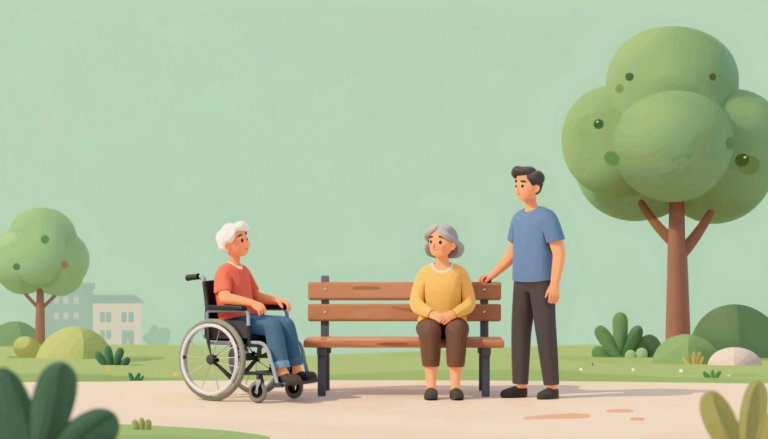
Researchers have also reported that physically frail older adults show greater cognitive decline than other people of the same age. A separate finding strongly associates negative attitudes toward aging with physical aging. The writer discussing these findings draws a further inference from those relationships: negative attitudes may influence both the aging of the body and the decline of cognitive abilities.
Irish researchers proposed that a positive attitude toward aging might prevent physical aging in older adults and help them stay mentally clear. To investigate this possibility, they followed 4,135 older adults. Participants with negative attitudes toward aging moved more slowly than those with positive attitudes. This difference remained after the researchers adjusted for medication use, mood, life changes, and other variables that could affect health.
Their findings also suggested that attitudes might influence the relationship between physical frailty and cognitive decline. The more negatively participants viewed aging, the more likely their physical frailty appeared to lead to cognitive decline.
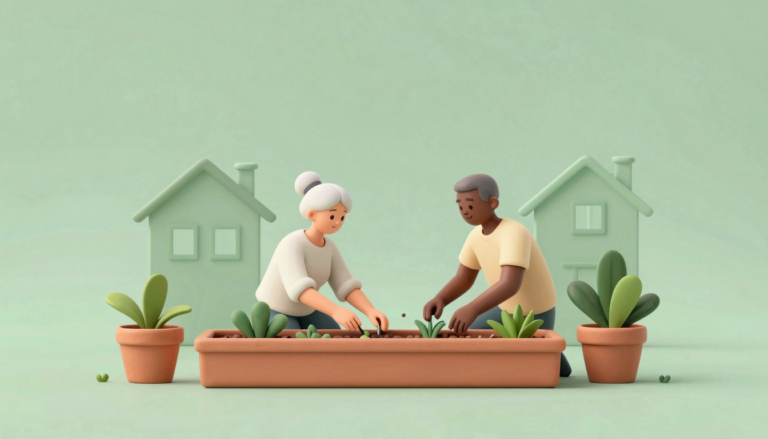
The writer's practical advice is to give more thought to what growing older offers and to accept changes in our bodies and lives instead of meeting them with fear. Aging may mean giving up round-the-clock drinking and clubbing or speeding along mountain roads. Yet, in this view, those accumulated years can also bring greater life experience and wisdom than younger people have, more memories, and closer relationships with friends and family.
Seen this way, each wrinkle is a mark of your own—a distinctive story that belongs to you.
Frequently asked questions
What did the reported study of 4,135 older adults find?
Participants with negative attitudes toward aging moved more slowly than those with positive attitudes. The difference remained after adjustment for medication use, mood, life changes, and other variables that could affect health.
How might attitudes toward aging relate to frailty and cognition?
The findings suggested that attitudes might influence the relationship between physical frailty and cognitive decline. The more negatively participants viewed aging, the more likely their physical frailty appeared to lead to cognitive decline.