Summary
A sewing machine, wooden abacus, examination ticket, black pot and woven basket survive the family's clear-outs, each carrying a different history of work, care, achievement or home.
At a glance
The writer keeps these five possessions because each preserves a different part of family life: making clothes for a child, beginning an accounting career, educational achievement, memories of deceased parents-in-law and a spouse's hometown. Even if the sewing machine, abacus and basket are never used again, their memories and affection remain valuable to the family.
After countless rounds of decluttering, the writer of this personal account still cannot part with five old possessions. Why have these particular things survived every clear-out? Each carries a different part of the family's life.
The sewing machine
The Feiren sewing machine was bought when the writer's child was young. By the time the writer told its story, it had been with the family for 37 years, accompanying moves between northern and southern parts of the country.
Money was tight in those early years, and goods were scarce. Few sellers offered children's clothes; padded winter garments were especially difficult to find. The writer enjoyed needlework and small creative projects, but buying a sewing machine took some arranging. Besides being expensive, it required a purchase allocation obtained through personal connections. With help from acquaintances, the family managed to buy one for more than 200 yuan.
It became both a valuable household possession and an essential sewing tool. The writer made lightweight clothes and padded winter outfits, freeing the child's wardrobe from the limits of what was available in shops. New fabric, along with material salvaged from adults' old clothes, became little shirts and overalls in different styles. To the writer, the child looked especially lovely in those homemade clothes.
After the child grew up, the family moved away to settle elsewhere. As the saying goes, one move can leave a household poor for three years. The writer recalls discarding many possessions during moves, but always insisted that the sewing machine come along.
At the time of the account, 25 years had passed since the machine accompanied the family on that move. For various reasons, the writer had not used it again. It remained in a basement storeroom, taking up space without serving any current purpose. Still, the writer wanted to keep it and look at it. The attachment had never faded.
The wooden abacus
The old wooden abacus preserves another beginning: the writer's first days at work. Issued by the workplace on arrival, it had been in their possession for more than 40 years.
There were no computers in that office then. Every addition, subtraction, multiplication and division in the accounting work depended on an abacus. Its clatter accompanied the seemingly endless daily bookkeeping, from reconciling the general ledger with the subsidiary ledgers to making sure the figures across financial reports agreed.
The large abacus's working life lasted only a few years before the workplace supplied smaller ones. These looked more sophisticated, the writer thought, but were less practical than the original. Computers arrived later. A workplace mentor taught the writer and their colleagues to program, and they wrote and tested programs of their own for simple bookkeeping and reconciliation. The subsequent introduction of Yonyou accounting software reduced the accounting staff's reliance on abacuses still further.
Yet the original abacus retained a place of its own. Because it marked the start of the writer's career, it became a one-of-a-kind “professional certificate.” However many other possessions were discarded, this one would be safely stored and treasured for good.
The examination admission ticket
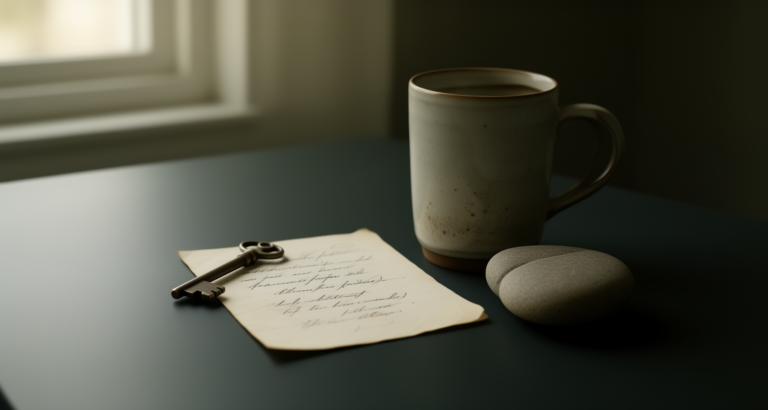
An actual document carries a different kind of achievement: a faded admission ticket for the 1987 national college entrance examination. The writer's father entrusted it to them for safekeeping ten years before the account was written. He cared deeply about his children's education and had carefully preserved their awards, graduation certificates and examination admission documents from primary and secondary school.
Among those papers, this ticket held particular significance. Its writing had faded, but it commemorated a family member's success in placing among the province's leading examination candidates and entering university to the admiration of others. The writer remembers that achievement as a lifelong source of pride for their father and a reason people in the community held him in such esteem.
Keeping the ticket honors the father's wishes. For the writer, it represents family honor, individual striving and continuity between generations—an inheritance they describe in terms of the family's genes.
The large black pot
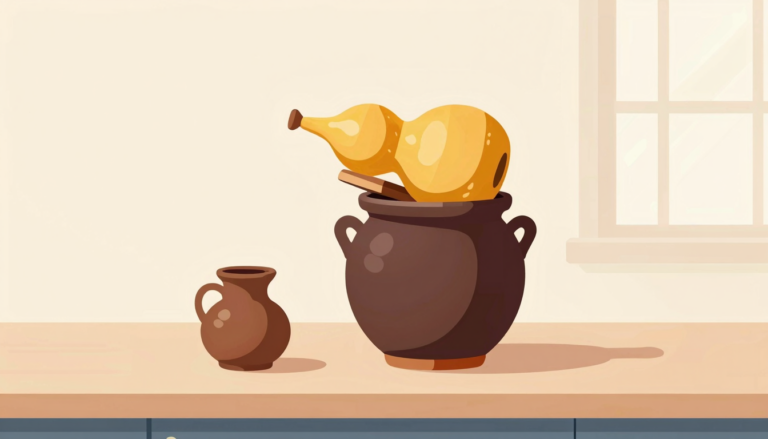
The large black pot came from the writer's parents-in-law's home in the countryside. It had been with the family for more than 30 years, but its story remained tied to one National Day holiday, when the family visited and enjoyed meals prepared in the then-new pot.
At mealtimes, it stood on a simple earthen stove for boiling water, cooking beans, stewing meat and stir-frying vegetables. High flames crackled beneath it while fragrant food bubbled inside. The smells and warmth of wood-fired cooking filled the kitchen.
The writer's child was small then and loved tending the fire. The child kept it going while the writer cooked, and the parents-in-law sat nearby, happily watching them work. In the writer's recollection, the older couple were usually lonely and delighted in the family companionship those visits brought.
When the holiday ended, the writer asked to take the pot, explaining that one like it could not be bought in the city. The parents-in-law agreed without hesitation. They immediately lifted it from the stove, carefully wrapped and tied it, and placed it on top of the family's packed luggage.
Back in the city, it became a mainstay of the kitchen, used whenever guests came for holidays and celebrations. The writer valued its generous capacity and believed its pure-iron construction was free from contamination.
Its deepest importance, though, lay in the people it recalled. The parents-in-law had since died, and the rural home the family could no longer return to felt increasingly distant. Every use of the pot brought back their simple, kind, hardworking ways, along with the smells and flavors of cooking at the old home.
The writer had told the children that, however many generations passed, the pot must stay in the family for as long as it remained usable. It was their family heirloom.
The woven basket
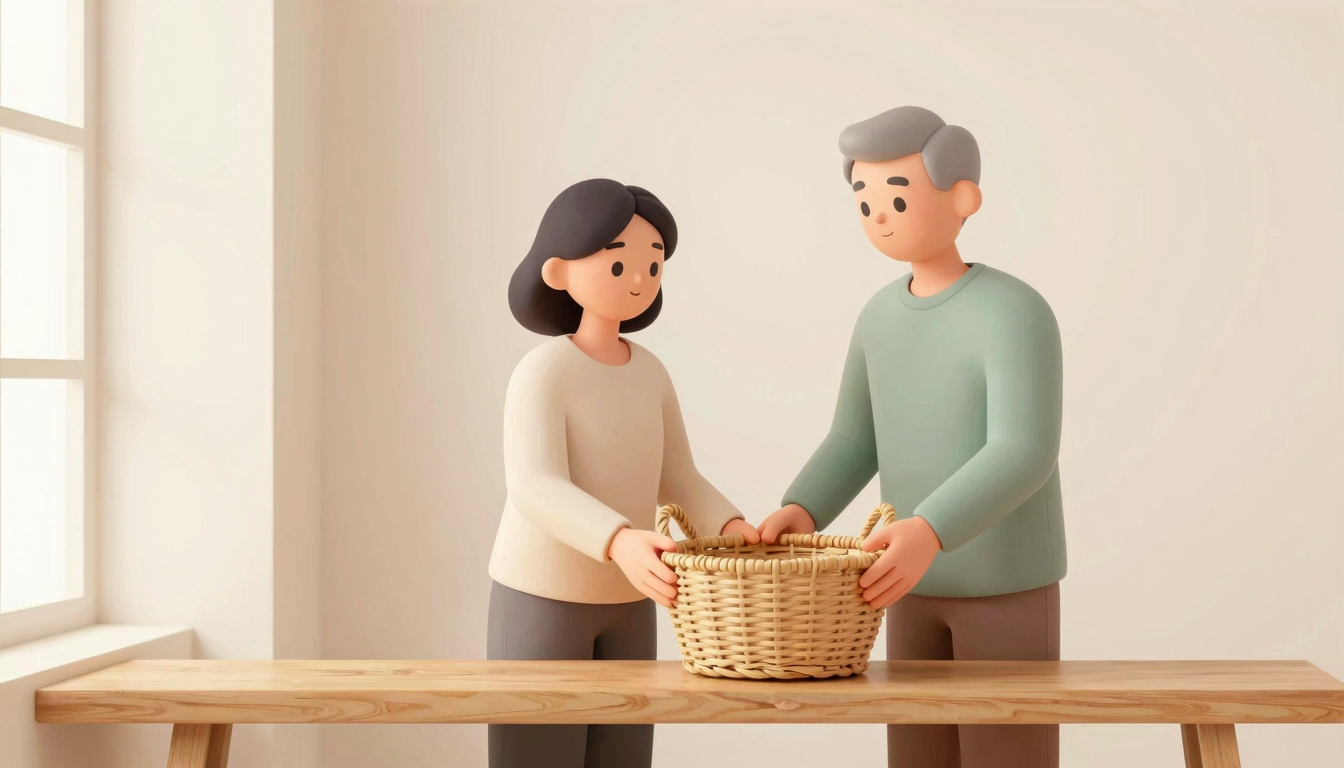
The large woven cane basket also came from a visit home. Bought at the market for 25 yuan, it had been with the family for more than 20 years.
Their Lunar New Year visits usually included shopping for fish, meat, eggs, milk, fruit and pastries. On one occasion, they forgot to bring a basket and found themselves with nowhere to put their purchases. An older man had more than ten baskets lined up for sale, so they immediately bought one to carry everything home.
Once the shopping was home, they noticed how lovely the basket was and agreed to take it back to the city. There, however, it struck the writer as rustic and had little practical use. They considered throwing it away.
Their spouse asked them to keep it. Few possessions from the spouse's hometown remained in their home, and the basket could serve as a reminder. That request secured its place among the old things the family could not discard.
Through repeated rounds of sorting and decluttering, the writer had lost count of the possessions discarded that were worth more money than these five. Yet these were the household's priceless treasures.
The sewing machine, old abacus and large basket might remain in storage forever, never to be used again. They would still hold memories, longing for people and places, and genuine affection.
The writer's thanks go directly to the possessions themselves: “Thank you, old things. You deserve our care and respect.”
Frequently asked questions
Which five old possessions does the writer keep?
The writer keeps a sewing machine, an old wooden abacus, a 1987 national college entrance examination admission ticket, a large black pot and a woven cane basket.
Why did the writer's spouse want to keep the basket?
Few possessions from the spouse's hometown remained in their home, and the basket could serve as a reminder.
What condition did the writer attach to passing down the pot?
The writer wanted the pot to stay in the family across generations for as long as it remained usable.