Summary
When deadlines keep you seated and ruminating, a movement break may offer some relief. A multinational adolescent survey explores the association between sedentary time and anxiety symptoms, including regional differences and unanswered questions.
At a glance
A multinational study of 59,587 adolescents aged 12–15 found that longer sedentary time was associated with higher risk of anxiety symptoms after accounting for other measured factors. The relationship varied by region, with almost no association reported in Africa, and did not establish causation. Small movement breaks are suggested as potentially helpful ways to manage anxious periods.
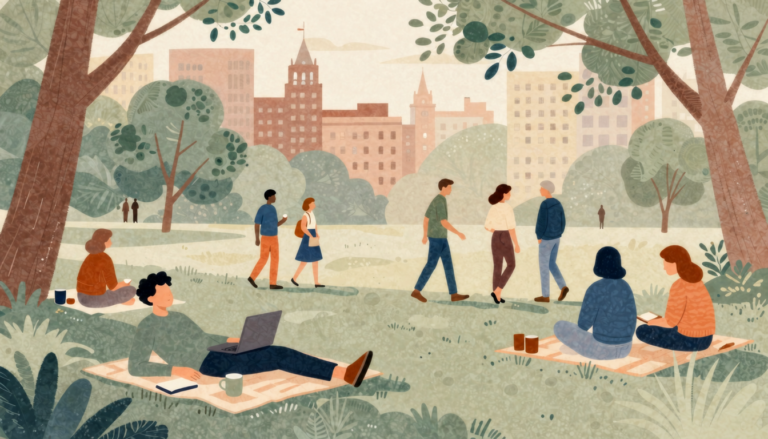
Imagine arriving at the library on a cold morning near the end of term, a heavy bag on your shoulders. Around you, classmates are writing away. You have spent hours trying to organize your ideas for a paper, but your thoughts are still a jumble, and the document on your screen contains little more than a title. You check the time. Somehow, most of the day has gone.
The deadlines are close, and you feel as though you have accomplished nothing. You want to go out and enjoy yourself, but with the assignment unfinished, even a little recreation feels undeserved. You no longer want to work, either. So you stay in your seat, turning the same thoughts over and growing more anxious.
The writer who first described this scene admitted to feeling anxious while sitting and composing the passage. Could prolonged sitting make anxiety worse? The question extends to lying in bed or slumping in a dorm room—other ways of spending long stretches with little energy expenditure. More time spent in these states may signal greater anxiety. That possibility deserves attention, though it does not establish that sitting causes anxiety.
“I’m so anxious—I still haven’t finished the assignment.” “My presentation is tomorrow, and I haven’t even started the slides.” “I’m responsible for the event, but I haven’t prepared anything.” It is easy to imagine these complaints passing between students. Anxiety is a familiar word for everyday pressures, but how do those expressions of distress relate to anxiety symptoms?
The writer tentatively offers a more scientific description that includes losing interest in activities once enjoyed, feeling fatigued or restless, and struggling to control worry. This is a suggested description, rather than a complete diagnostic definition. Anxiety can interfere with studying and working and reduce quality of life. The writer also reports an estimate that approximately 6.5% of people under 18 meet diagnostic criteria for anxiety symptoms—a substantial proportion.
Separately, the writer attributes to the World Health Organization the claim that more than four-fifths of people in low- and middle-income countries have mental health disorders, with anxiety among their main symptoms.
Alongside the question of anxiety is another, more ordinary one: how much of today have you spent sitting? Imagine a student’s weekday: classes, independent study, meals, some time on the phone in the dorm, then bed. The waking activities in that routine are often done sitting down. It is not every student’s schedule, but it shows how easily sitting can become a major part of daily life.
The writer groups classroom sitting, lying in bed, and slumping in a dorm room together as sedentary behavior, characterized by low energy expenditure. Research discussed in the account suggests that young people tend to spend more time sedentary and that sedentary behavior may contribute to a range of diseases.
Its relationship with anxiety has been less clear: earlier researchers reached conflicting conclusions. A large multinational study took up the question among adolescents in low- and middle-income countries, settings the writer describes as heavily affected by mental health problems. What fresh insight might a study across these countries offer?
The researchers analyzed data from the Global School-based Student Health Survey, covering 59,587 adolescents aged 12–15 across 24 countries or regions. They assessed anxiety symptoms through participants’ reports of sleep-related worry during the previous 12 months.
To measure sedentary time, the survey asked how long participants usually spent sitting on a typical day while watching television, playing computer games, chatting with friends, or doing other seated activities. As described by the writer, responses of at least two hours a day met the study’s classification threshold for sedentary behavior.
A simple comparison of sedentary time and anxiety symptoms could be misleading. Adolescents’ psychological states may also be influenced by national culture, physical activity, diet, and experiences of bullying. The researchers took steps to account for measured factors that might otherwise bias the relationship.
Participants were asked on how many days in a usual week they did at least 60 minutes of physical activity. They were also asked whether they had been bullied during the preceding 30 days and, if so, on how many days. Other factors were assessed in similar ways.
The researchers then examined the relationship separately in groups differing on these factors. For physical activity, they analyzed adolescents who reported at least 60 minutes of activity on five or more days a week separately from those who reached that duration on fewer than five days. They also conducted separate analyses for participants who had never, occasionally, or frequently been bullied. These steps helped address other possible influences without establishing that all such influences had been removed.
After accounting for the other measured factors, the researchers found that longer sedentary time was associated with a higher risk of anxiety symptoms in both boys and girls. The relationship varied by region, however. In Africa, there was almost no association. The writer suggests that culture or local customs might help explain this difference, while maintaining that the overall association deserves attention.
Social withdrawal theory offers one possible explanation for the broader relationship: spending more time sedentary may leave less time for going out and socializing. Less contact with others could deepen feelings of social loneliness and leave fewer opportunities to practice handling relationships. With less practice, people may become more worried about interpersonal situations and more inclined to withdraw.
Other researchers have proposed that excessive screen time may adversely affect sleep. The writer connects that suggestion to mood with a familiar question: when you have slept poorly, can it be harder to feel good? This proposed pathway concerns screen use specifically, rather than every kind of sedentary activity. Neither explanation was established by the multinational study; understanding the mechanisms remains a task for future research.
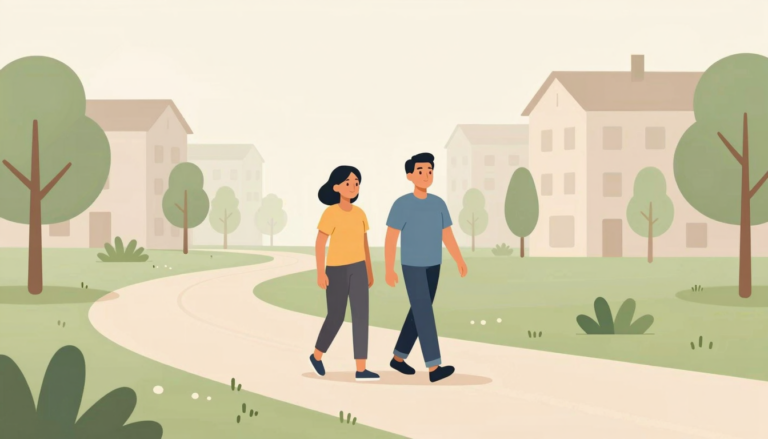
Still, the writer urges readers to take the reported relationship seriously. When you feel anxious, consider getting up to exercise or inviting a good friend for a walk around the sports ground. Either may help you manage your emotions more effectively than staying seated in a classroom, struggling with the same problem.
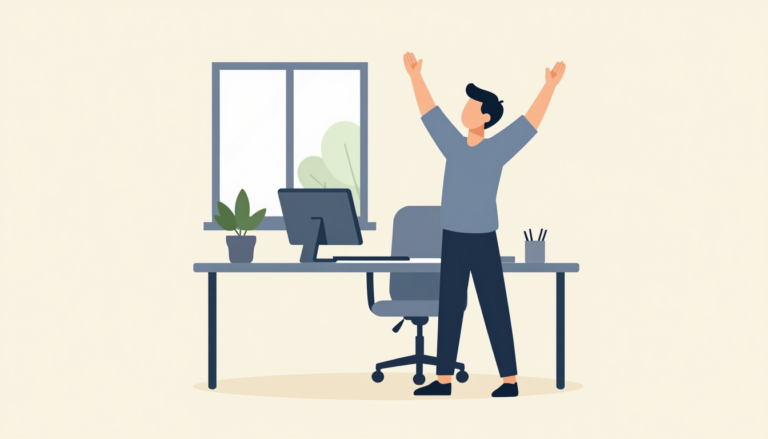
Small changes to your surroundings can also create opportunities to get up. The writer suggests using a smaller water cup and choosing a place to work farther from the restroom and water dispenser. More frequent refills, along with trips to get water or use the restroom, can interrupt long stretches of absorbed, seated work and add a little movement.
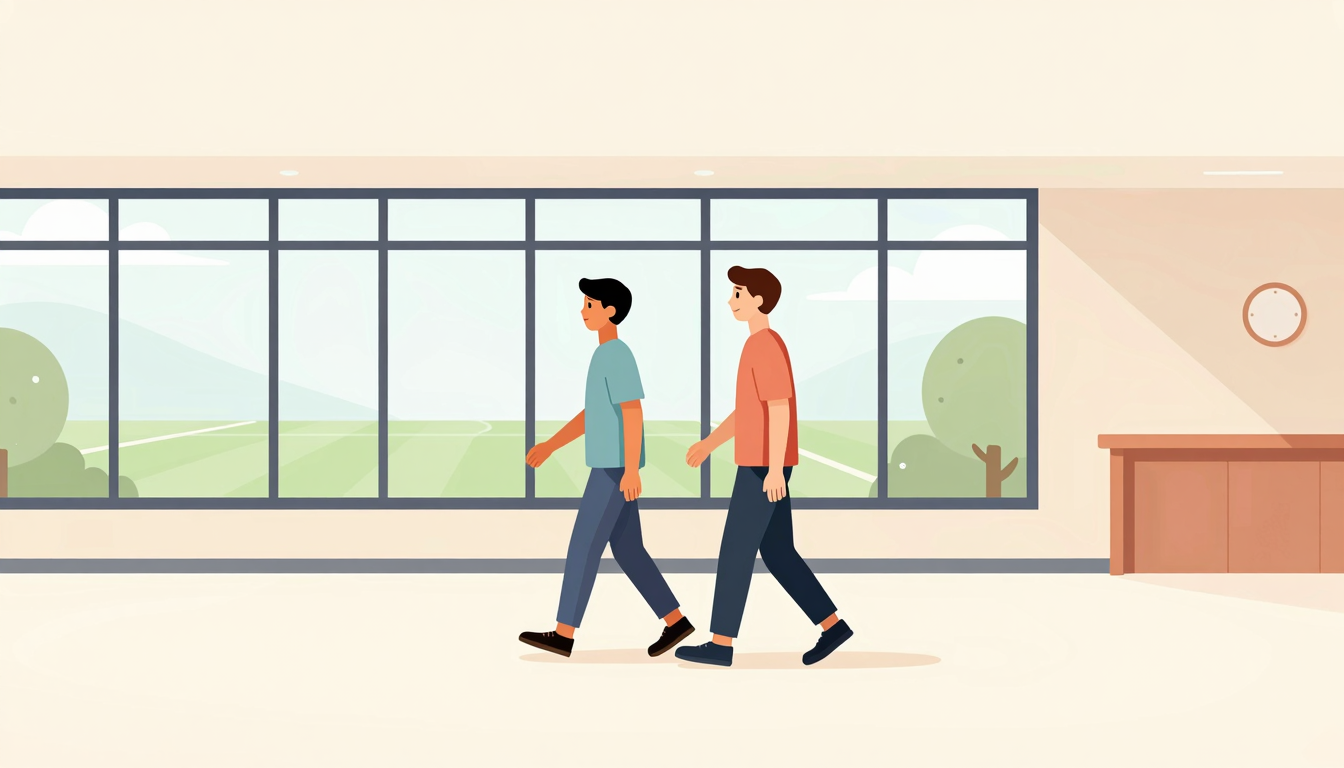
You could also adapt the Pomodoro method: after a work or study interval, walk into the corridor and take in the scenery. The break interrupts sitting and gives your eyes a rest. Put on some music if you like, and it may feel like a small pocket of leisure even when deadlines are clustered together.
Studying and working can already bring enough anxiety. Take care of yourself, and try not to let prolonged sitting become the last straw when you already feel overwhelmed. These small changes may help.
Frequently asked questions
Does the study establish that sitting causes anxiety?
No. Longer sedentary time was associated with higher risk of anxiety symptoms after accounting for other measured factors, but the study did not establish causation or eliminate every possible influence.
Was the association the same across regions?
The relationship varied by region. In Africa, there was almost no association. Culture or local customs were suggested as possible explanations, rather than established causes of the difference.
How can study breaks interrupt prolonged sitting?
After a work or study interval, the writer suggests walking into the corridor and taking in the scenery. Smaller water cups and a workspace farther from the water dispenser can also create opportunities to get up. These changes may help, but their benefits were not quantified.