Summary
Partners can grow at different speeds or in different directions. The article considers how shared experiences, individual development, and changing needs may shape closeness and passion.
At a glance
Feeling that your partner lacks ambition may reflect differences in your pace or direction of growth. The article explores balancing growth together with individual development through shared experiences, candid communication, compromise, and adjustments as needs change. It offers possible responses without a universal rule for staying or leaving.
Should you stay in a relationship when you feel your partner lacks ambition? On social media, people ask questions such as, “My boyfriend has no ambition. Should I break up with him?” or “My wife spends every day lying around at home and makes no effort. I want a divorce—what should I do?” Commenters readily urge them to leave. These complaints express how one partner sees the other, but why can that perceived lack of ambition become so painful that it feels intolerable? Is separation the only possible response?
One way to understand the tension is through differences in how partners develop. One may seem to keep moving forward while the other stays where they are. Or both may be moving, but in increasingly different directions. Differences in pace and direction can strain a relationship, raising questions that go beyond whether one person is ambitious enough.
In a television drama, Xia Meng and Wang Jichong’s relationship follows this pattern. Hardworking since childhood, Xia Meng has consistently stayed ahead of her peers. She meets Wang at university, where they begin dating. Early in their relationship, he accepts her excellence and keeps encouraging her. As their careers develop, however, she rises through the ranks while he remains an ordinary employee. She becomes his superior at work, and that hierarchy repeatedly fuels conflict between them. Eventually, they break up.
Growth together and growth apart
What turns different paths of development into arguments, conflict, or a breakup? The writer examining these questions proposes that the underlying tension lies in an imbalance between growth within the relationship and growth outside it. This is an explanatory framework for understanding such difficulties, rather than a diagnosis of every couple’s conflicts.
Psychologists’ self-expansion model describes an innate motivation to become a better version of ourselves. Two common routes are growth through a relationship and growth through experiences beyond it. With a partner, we can encounter something new, learn skills, and broaden our understanding. Research suggests that this kind of growth can help sustain a relationship and increase satisfaction. Sentiments such as “My partner makes me a better person” or “I’ve grown so much through this relationship” capture what that experience can mean.
Growth also happens through individual pursuits such as studying and working. A supportive learning environment or a positive workplace can help us develop our abilities, widen our horizons, and experience positive emotions. In the writer’s view, these two sources of growth support happiness when they are balanced and reinforce each other; when they fall out of balance, relationship problems become more likely.
The connection between growth outside a relationship and romantic passion is more complicated than it might first appear. The writer credits Carswell and colleagues with the first investigation of this question, describing three studies they conducted to clarify the relationship.
In Study 1, participants kept a daily diary for 21 days, reporting their individual self-expansion and the passion they felt in their relationship. They completed a follow-up assessment three months later. Study 2 followed the same design, incorporating new measurement methods intended to improve accuracy.
Study 3 focused on people who had moved within the preceding year because of their own or their partner’s work. The writer explains this choice on the grounds that major life changes more readily offer opportunities for individual self-expansion. This study examined longer-term individual self-expansion in relation to both romantic passion and individual well-being.
Carswell and colleagues’ reported findings suggest that when people experience more individual self-expansion than is usual for them, the accompanying increase in positive emotion may support greater passion in their relationship. The comparison here is with a person’s own average. The writer illustrates this with a hypothetical moment: you finish a work project and feel proud of what you have accomplished. You are happy, the world seems brighter, and your partner looks especially attractive that day.
A different pattern emerged when the researchers compared people with one another. Sustained higher levels of individual self-expansion relative to others were associated with reduced closeness, which in turn was linked to lower romantic passion. To illustrate, the writer describes someone who remains absorbed in work for a long time, leaving less time with their partner and fewer shared topics of conversation. As that connection weakens, the relationship may lose some of its attraction.
The researchers also reported that longer-term individual self-expansion benefited individual well-being, even alongside these relational costs. The writer therefore suggests that it may be a double-edged sword: growth that enriches a person’s life can also put strain on their relationship.
Two partners, different difficulties
Returning to the fictional couple in that drama, the writer interprets Xia Meng’s situation through this framework. A capable executive, she spends most of her time handling company business and continually finds opportunities for self-expansion at work. Yet she gives little attention to cultivating her life outside work or her relationship. In this reading, the relationship gradually loses its attraction as she neglects it.
Wang Jichong faces a different difficulty. His work performance falls well short of hers, and working at the same company exposes him to disparaging judgments that he is living off her. The writer suggests that he struggles to find self-expansion either at work or within their relationship. He might initially feel proud of his partner’s accomplishments, but a prolonged imbalance can allow negative emotions to build, contributing to behavior that damages the relationship—such as his attacks on Xia Meng’s body. Seen through this interpretation of their story, their eventual breakup is hardly surprising.
The practical question is how partners facing differences in pace or direction might balance the growth they find together with the growth they pursue separately. The writer recalls being struck by a saying attributed to another writer: people change from one year to the next, as do those they love, and continuing to love one another through those changes is a happy coincidence. Perhaps, the writer suggests, love can make room for accepting change.
Making room for both kinds of growth
The first suggestion is to seek opportunities to grow together. As a relationship continues, its novelty often fades. Partners may find fewer opportunities for self-expansion through each other and increasingly look outside the relationship as their main source of growth. That shift can put strain on the relationship.
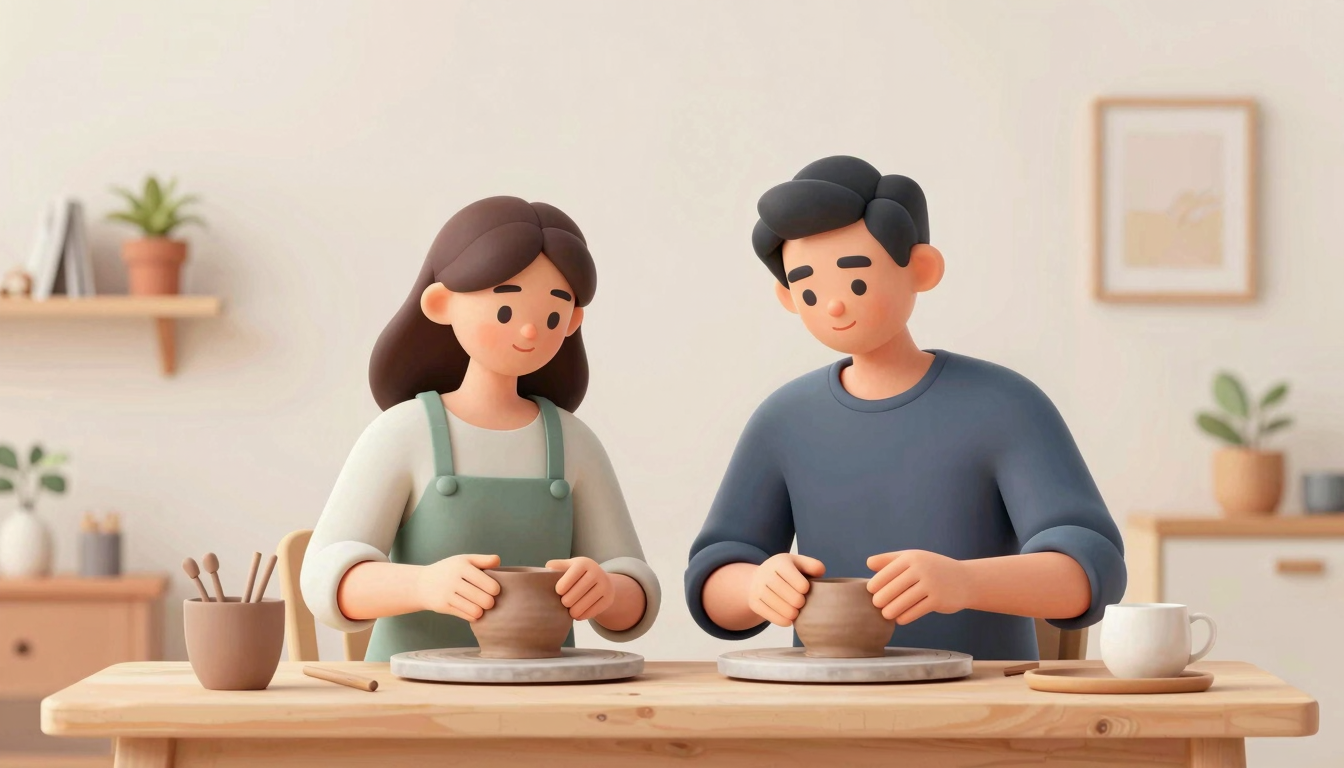
Developing new shared interests and finding activities to explore together may help create those opportunities again. Partners could take a training course, attend a seminar, or learn a new skill together. Such experiences can bring something unfamiliar into their shared lives, give both people room to grow, and offer them more to talk about.
Shared growth also needs to leave room for each partner’s individual development. The writer’s second recommendation is to negotiate compromises that make space for both, since going too long without opportunities for individual self-expansion can harm personal well-being.
People find that growth in different places, and their needs can conflict. Suppose each partner’s ideal job is in a different city. Talking candidly about those competing needs, looking for common ground, and making concessions on both sides may help them work toward a balance both can feel satisfied with, while allowing each person opportunities to develop.
The third recommendation is to stay flexible. Both partners’ goals and needs will change, and temporary differences in their pace of growth can be a normal part of that process. A balance that suits them now may need adjusting later.
Separate research cited by the writer suggests that younger couples tend to emphasize personal-growth goals, middle-aged couples instrumental goals, and older couples companionship goals. These are group tendencies rather than a fixed sequence every couple follows. Drawing on those findings, the writer proposes that partners may sometimes fall out of step because they move into a subsequent stage at different speeds.
The advice is to remain open to changing goals and needs, accept that those changes can leave partners temporarily out of step, and talk about them promptly so they can respond together.
Time and growth change a relationship. Like a television series whose storyline keeps developing, a relationship needs adjustments as the people in it change. The writer likens regularly reassessing the relationship to getting medical checkups: a way to help it stay healthy and endure.
Frequently asked questions
How can partners create opportunities to grow together?
The writer suggests developing shared interests, taking a training course, attending a seminar, or learning a new skill together. These experiences may provide shared novelty, room for growth, and more to talk about.
Does individual growth always reduce romantic passion?
No. Carswell and colleagues’ reported findings distinguish two comparisons: growth above a person’s own usual level may support passion through positive emotion, while sustained higher growth relative to other people was associated with reduced closeness and lower passion. Longer-term individual growth also benefited personal well-being.