Summary
From a rushed commute in Xiamen to an imagined morning with music, flowers and breakfast, the writer explores what a little unhurried time might offer.
At a glance
The writer sees quiet morning time as an opportunity to step out of a cycle of rushing, work pressure and late nights. Their reflection suggests making room for focused work, movement, reading, breakfast, planning, music or walking, with an earlier bedtime supporting an earlier start. These hours also offer simple pleasures and time alone, beyond getting things done.
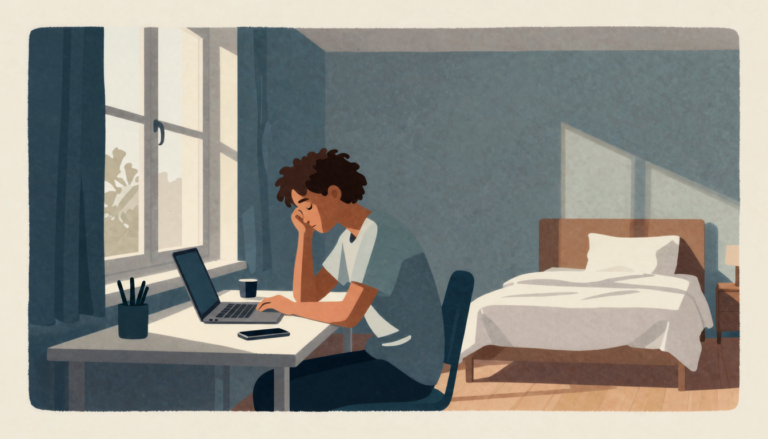
How the first two hours of the morning unfold can set the mood for an entire day. For the writer behind this reflection, that belief grew out of a chaotic stretch of late nights, late waking, overeating and intense stress. Each morning meant trudging through the streets with heavy footsteps, feeling close to slipping into depression.
Getting up at the last possible moment left barely enough time to dress and wash. A planned hair wash would have to wait; sometimes there wasn’t even time for a sip of hot water. Then came the journey to work. Traffic jams, bad weather that made it impossible to find a ride, or transport that simply wouldn’t arrive brought desperate anxiety—the wish to sprout wings and fly. Xiamen was a beautiful city to live in, but there was no room to appreciate it.
Reaching the office brought little relief. The writer would sit down uneasily under the boss’s watchful gaze, while colleagues were already absorbed in their work. The demanding pace began immediately, often before there was time for a hot drink. A whole morning could pass without a chance to get up and fetch water.
Looking back, the writer connects that hurried start with the urgency that lingered all day. Plans were disrupted, efficiency suffered, and unfinished work meant overtime. That pushed bedtime later, leaving the next morning to begin in the same rush.
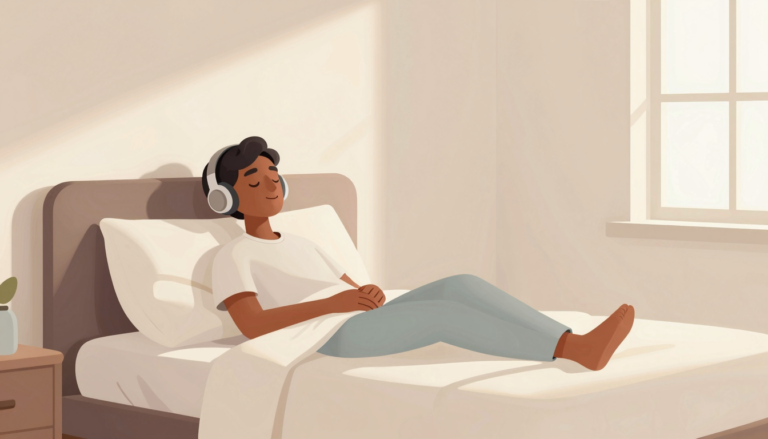
The morning they longed for would begin with waking naturally in a comfortable bed, on favorite sheets, then stretching and letting the body slowly wake. There would be time to put on comfortable home clothes and play something soothing but cheerful. They would wander around the room, looking at things, reaching out to touch them, watering the flowers and considering what could be made tidier or more comfortable.
With the music still playing, they would prepare a simple breakfast of bread and milk. Then would come several hours of concentrated work in the undisturbed quiet—enough time to finish the day’s most important task.
That protected working time is part of what the writer admires in Haruki Murakami, a marathon runner among novelists. In their telling, when Murakami is writing a novel, he generally gets up around four, makes coffee, eats something and starts work immediately. He writes for roughly five or six hours, finishing around ten, then has the remaining time to enjoy himself however he likes.
The writer’s own early starts have been occasional, but enough to make the first benefit clear to them: more usable time. They regard those two morning hours as the day’s only stretch free from text messages and email. While others are still asleep, you could be reading; by the time they wake, you might have finished an article, made several drawings or exercised for an hour. With that much already done, life itself can feel a little longer.
The writer believes many people use those hours to set themselves apart and pursue their dreams. One example they recount comes from an NBA motivational short. A reporter asks Kobe Bryant why he is so successful. Bryant responds with a question: “Do you know what Los Angeles looks like at four in the morning?” The reporter shakes his head. “I know what it looks like at four every morning,” Bryant replies.
The writer goes on to describe Bryant’s long-standing routine after entering the NBA: getting up at four to train and making a thousand baskets every day. To them, his achievements owed much to that diligence alongside his talent. While most people were still asleep, he was already practicing.
Two more reported routines follow: Steve Jobs rose at six and worked at home before leaving for the office around nine. Tim Cook, identified as Apple’s CEO at the time of the account, was already sending and receiving email at four thirty, then went to the gym.
Beyond the extra working time, the writer sees greater energy as a second benefit. Anticipating an early start, they reason, encourages an earlier bedtime. Sleeping from ten at night until five in the morning feels quite different to them from sleeping from one until eight, even though both allow seven hours of sleep. They also note that sleeping late on weekends can sometimes leave you feeling less energetic.
An unhurried start could carry into work: arrive a little early, tidy the desk and make a cup of hot tea before settling in. The writer expects this to make for a calmer, more efficient beginning, with less anxiety and pressure afterward and more room to enjoy the day.
A third possibility is feeling more like yourself. The writer recounts how a Japanese freelance photographer photographed ten friends going about their mornings and observed that their genuine selves emerged more readily at that hour, especially before breakfast.
The writer offers a separate explanation: the brain usually becomes active after breakfast, while the less alert state beforehand allows behavior to unfold with less conscious control and more spontaneous expression. For them, morning is the moment of greatest closeness to oneself, a uniquely intimate stretch of time to be in one’s own company. Watching the quiet city wake and gradually fill with traffic and activity brings an unexpected calm—the reassuring feeling that life, just as it is, is steady and peaceful.
We all long for a better life. The writer believes genuinely beautiful things can be free: sunshine, the sea, good weather, a clear morning. Those hours might hold undisturbed reading, gentle music, a dance around the room, a delicious breakfast, or simply a few moments gazing at the faint light outside the window, letting the mind wander.
What other lovely things might we do with that time? The writer’s suggestions leave room to explore.
Let the body wake
You might begin by staying in bed for a few minutes, sensing the light around you and the first stirrings of your body before opening your eyes. Then head out for a half-hour jog along a favorite route. Try a different route every few days, getting to know the city as the sky slowly brightens.
Or stay home and stretch to gentle music. If time is short, even a simple stretch on the balcony can feel good, as though your whole body is waking up.
Pick up a book
You could read a book you’ve wanted to open but never found time for, or one you haven’t been able to settle into. The writer sees this chance to read without interruption as especially precious for parents.
Make a breakfast to enjoy
Making and enjoying a delicious breakfast is, to the writer, the most direct route to feeling happier. They see it as the meal at which you can eat whatever appeals to you without worrying about your figure. Their invitation is to let anxiety ease as you prepare the food and sit down to enjoy it, paying attention to the flavors and the sensation of your body’s organs gradually waking.
Whether yesterday brought happiness or sadness, begin today with a delicious breakfast and a fresh sense of energy.
Give the day clear aims
Take a few minutes to sort through the day’s tasks: what is important, what must be done and what can wait. Think through when and where things need to happen, and what you’ll need to prepare. Better still, write it all in a planner, so you can begin with clear aims.
Put on some music
Gentle music can lend a little romance to the morning. Rise onto your tiptoes, dance around the room and turn a few circles, letting your imagination wander as your body moves.
The writer offers three personal favorites for these hours. The first comes from The Velvet Underground’s debut album, The Velvet Underground & Nico, which they consider a rock classic and a favorite album. To them, the lyrics are art in their own right.
The lyrical passage addresses someone who feels darkness consuming their heart and has become twisted and unkind. It recasts that distress as obscured vision. The speaker asks them to relax, offering the reassurance of being seen, the promise to become their eyes and a hand to hold in the darkness, so they need no longer panic. The writer evokes hearing these warm words of affection on a drizzly day, a cup of hot tea held in their hands.
The second favorite comes from Swedish indie band Club 8, whose music they find dreamy, fresh and delicate. There’s an exuberant saying that Swedish music is a hundred years ahead of the rest of the world. In this song, the male voice sounds soft and fresh to the writer, sensitive and intimate, like a whisper in your ear just before sleep. They enjoy playing it while wandering around the room in the morning, still half-awake.
The third comes from a band from Chengdu. Its cheerful, lively sound contrasts with what the writer hears in the lyrics: a man’s many confusions rather than happiness. They like listening while walking alone through busy streets, past traffic and traffic lights, without feeling lonely at all.
Walk to work
That pleasure in walking carries into the sixth suggestion: making the journey to work on foot. The writer evokes a city at seven in the morning, with faint light and few pedestrians or cars. It has a relaxed beauty, like a young woman who is usually groomed and ready to go, seen before she has washed and dressed for the day. Sometimes a small change is enough to bring an unexpected reward.
Let’s shake off procrastination and inertia together and set out toward a happier life. Here we go!
Frequently asked questions
What morning activities does the writer suggest?
The writer suggests movement, reading, making breakfast, planning the day, enjoying music and walking to work. The activities leave room for both preparation and pleasure.
What if there is little time for morning exercise?
The writer suggests that even a simple stretch on the balcony can feel good when time is short.