Summary
A stretch, a chat, or a moment looking outside can interrupt work yet potentially support what comes next. The argument for micro-breaks rests on resource recovery, positive emotion, and qualifications about activity type and engagement.
At a glance
Micro-breaks may support subsequent work performance by replenishing psychological resources and increasing positive emotion. They also interrupt ongoing work and can make returning to a task difficult. The reported benefits vary by activity and employee engagement; highly engaged employees reportedly gain no performance improvement through this particular emotional pathway.
What makes someone a good employee in a boss’s eyes? Competence, perhaps, or getting along well with others. Diligence and a willingness to endure hardship might count, too. For the writer who playfully announces, “Boss, I’m slacking off,” the common denominator is good performance. Under that standard, any nonwork activity during working hours can be taken as evidence that an employee is falling short.
Taking a bathroom break on company time had already stirred debate. Researchers have also turned their attention to pauses even shorter than a trip to the restroom: the small moments away from work known as micro-breaks.
A micro-break lasts a few seconds to a few minutes. Leaving the office or your workstation to hide in a restroom and spend half an hour on your phone falls outside that description. Kim, Park, and Niu (2017) and Trougakos and Hideg (2009), as cited by the writer, define micro-breaks as brief, informal activities that arise spontaneously between work tasks and offer a moment of relief.
These activities can be grouped roughly into four categories:
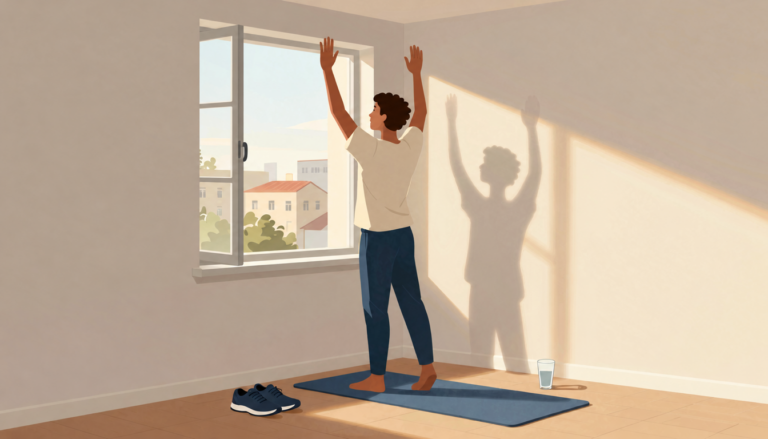
- Relaxation: stretching, looking out a window, letting your mind wander, or taking a brief nap.
- Nutritional intake: drinking water, eating snacks containing minerals, protein, or glucose, or consuming caffeine.
- Social activity: talking with colleagues, calling family or friends, or checking personal social networks.
- Cognitive activity: reading a book or newspaper, or watching short videos.
What connects these varied activities is temporary detachment from work content, with people choosing for themselves when to pause and what to do.
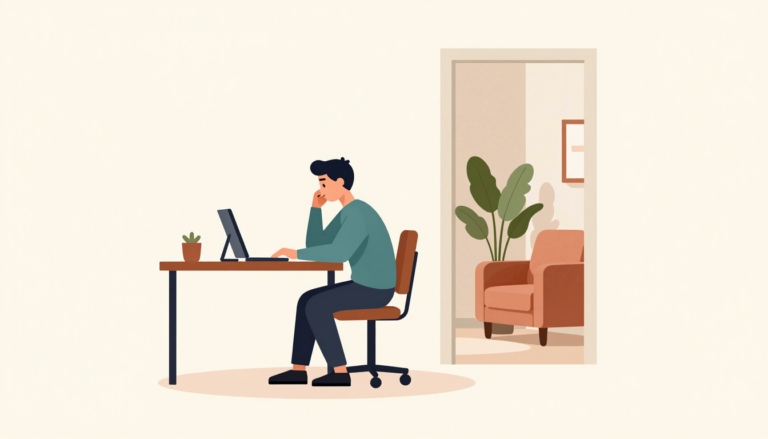
That interruption has an immediate cost. It breaks the mental process of working and can make it difficult to return to a task. Seen only at that moment, a micro-break can look like neglecting work. Over a longer stretch of time, though, the balance may look different. The writer proposes that briefly stepping away can replenish the emotional resources needed for subsequent tasks, potentially improving performance overall.
The analogy is an account balance. Food, housing, and transportation create recurring expenses. The amounts differ from person to person, and even one person’s spending varies from day to day. Whatever the outgoings, an account cannot keep covering withdrawals without deposits. In the writer’s explanation, work similarly draws on psychological resources, while people unconsciously seek to build reserves against depletion. A micro-break offers a possible opportunity to replenish those reserves—the theoretical basis for the argument that a short interruption can support the work that follows.
That possibility holds promise for employees and managers alike. For employees, the appeal includes a more positive emotional experience at work alongside better performance. Discussing what to have for lunch with colleagues or watching two minutes of cute-cat videos could lift someone’s mood, help restore resources spent on work, and support subsequent tasks. These everyday possibilities illustrate the proposed pathway through positive emotion.
Fredrickson’s broaden-and-build theory (1998, 2001) offers a way to understand that connection. Under the theory, positive events can evoke positive emotions that broaden people’s ability to respond flexibly to situations and help them complete tasks. Applying this idea to micro-breaks, the writer proposes an indirect route to better performance. Although a direct causal connection between a brief pause and better work may not be apparent, the positive emotion arising during the pause could help explain the relationship.
From a manager’s perspective, the writer’s argument is conditional: if a few minutes of distraction really can improve an employee’s overall performance without requiring more vacation time or an earlier departure, those minutes might seem quite acceptable.
The writer points to a survey of call-center staff by Korean psychologist Sooyeol Kim and colleagues, described as recent at the time of writing. The reported findings linked relaxation, social, and cognitive micro-breaks with better performance through positive emotion. Nutritional intake, however, did not show a sufficiently significant effect in the initial comparison.
The writer finds that weaker result hard to square with everyday experience, invoking prior research said to show that caffeine can directly elicit positive emotion through physiological effects. The objection also rests on the assumption that eating and drinking during a work break commonly includes a cup of coffee.
The researchers suggest a possible explanation: eating and drinking often overlap with other break activities. Someone might snack while watching a video or sip a drink while chatting with colleagues. The writer’s account then makes a conditional claim: if the other three activity categories are excluded, leaving nutritional intake alone, it can significantly improve performance through positive emotion.
Activity type is not the only qualification. Does the proposed benefit apply to everyone? The writer points to highly engaged employees, casually calling them “workaholics.” Their enthusiasm for work stays high whether or not they take breaks between tasks. For these employees, micro-breaks reportedly do not effectively generate additional positive emotion and therefore do not improve performance through that particular pathway.
The writer turns this qualification into a teasing explanation of slacking: perhaps it is simply self-hypnosis for less engaged employees trying to fall in love with work again. Then comes the playful confession and open invitation: “I slack off. How about you?”
Behind the joke is a challenge to a familiar view of concentration: brief breaks do nothing but harm, and doing a job properly means giving it undivided attention. In the writer’s telling, that lesson begins in childhood, with daydreaming and chatting treated as signs of neglecting what matters. The research discussed here offers a reason to reconsider that judgment. Replenished psychological resources and positive emotion may help people do better work afterward.
These findings do not excuse a negative or disengaged approach to work. They do, however, give someone criticized for stretching or briefly checking a phone a possible response: “I’m taking a short break to help me work better afterward.”
Frequently asked questions
How long does a micro-break last?
A micro-break lasts a few seconds to a few minutes. It is a brief, informal pause between work tasks, distinct from spending half an hour on a phone in the restroom.
What kinds of activities count as micro-breaks?
The article groups micro-breaks roughly into relaxation, nutritional intake, social activity, and cognitive activity. Their shared features are temporary detachment from work and personal choice over when to pause and what to do.
Do micro-breaks improve performance for everyone?
The reported benefit has qualifications. Highly engaged employees reportedly do not gain additional positive emotion from micro-breaks and therefore do not improve performance through that particular pathway.