Summary
A ten-yuan comb and the five-minute wait for boiling water became one writer's morning ritual. Their account follows the first hundred strokes, a flexible routine, and changes they noticed over the following weeks.
At a glance
The writer describes roughly one hundred morning comb strokes as a personal ritual for feeling mentally awake, rather than growing hair or restoring a hairline. Their routine uses a comb or finger pads against the scalp, moving from the hairline toward the nape without scratching or forceful pulling. The count is flexible, and the reported clarity belongs to their personal experience.
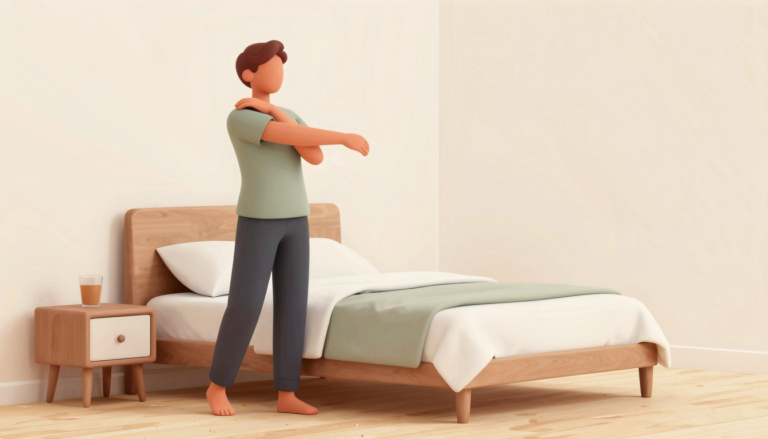
The writer behind this morning-combing routine remembers getting out of bed feeling like the walking dead. It took three alarms, with fear of having pay docked for lateness finally getting them up at the third. Their eyelids were heavy, their thoughts sluggish, their limbs weighted with lead. The bathroom mirror showed a puffy face, an unfocused gaze, and flattened hair. On the crowded bus, they were physically present but mentally still under the covers.
Reaching work did little to help. They would sit down, turn on the computer, and watch the cursor blink. Roughly the first half hour disappeared into mechanical replies to messages and documents that seemed impossible to understand. Their mind felt like a computer still loading its operating system: the desktop had appeared, but the icons had yet to finish showing up.
They had assumed this was normal. Young people did not get enough sleep; surely everyone felt this way in the morning. Then, while leafing through a traditional health-preservation text one morning, they found advice they attributed to its author: comb the hair frequently, rub the face often, move the eyes, and tap the ears. Combing came first.
The writer describes the text's attributed author as having lived to 141 and takes that ordering as significant. In their reading, combing led the list because the head mattered, beyond the hair itself.
To explain why, they turn to traditional Chinese medicine and its description of the head as the meeting place of yang. In the framework they invoke, the six yang meridians among the body's twelve channels converge there. The governing vessel rises from the spine to the Baihui point at the crown; the bladder meridian ascends from the inner corners of the eyes and winds around the head; and the gallbladder meridian passes upward from behind the ears toward the temples. The writer pictures a transport hub where vehicles carrying yang qi meet, make connections, and branch off in different directions.
They extend that image to waking. Within this traditional explanation, qi and blood remain deep in the body while yang qi prepares to depart. Forcing heavy eyelids open and heading out is like sending a bus onto the road before its engine has warmed up: it can run, but it burns more fuel and may stall. Combing, they suggest, supplies physical friction that draws yang qi upward from below.
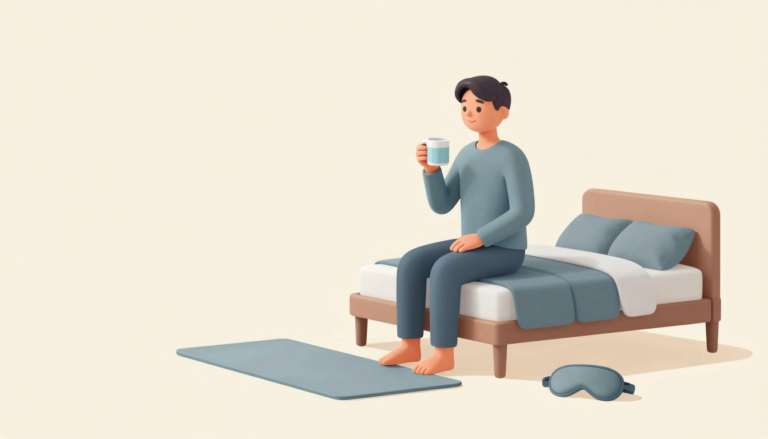
The explanation did not immediately convince them. How much could an ordinary comb do? It was hardly a massage chair. Still, there were five minutes to fill while waiting for water to boil, and trying it seemed better than standing around staring into space.
They retrieved a sandalwood comb from a drawer, a casual purchase that had cost ten yuan. Its teeth were moderately spaced, it felt substantial in the hand, and it carried a faint woody smell. Standing before the dormitory mirror with hair tangled like a bird's nest, they left it untied and placed the comb against the front hairline.
The first stroke met resistance, and a knot briefly caught the comb. They slowed down, moving from right to left and downward along the curve of the scalp. The important distinction, as they describe it, was actual contact with the skin rather than letting the teeth skim over the hair.
Around the tenth stroke, they felt a delicate warmth spreading through the scalp, seemingly from within. It did not burn. The sensation resembled finger pads touching the scalp lightly, again and again. By roughly the thirtieth stroke, their ears felt warm too, although the comb had never touched them.
They interpreted the warm ears through the meridian framework: scalp stimulation had set qi and blood moving upward toward the ears. Invoking traditional descriptions of the gallbladder meridian circling the ears and the bladder meridian entering them, they reasoned that combing had activated both routes. To them, the warmth meant the vehicles had begun to leave the transport hub, with yang qi branching outward.
At about fifty strokes, their eyelids felt less heavy, and the contours of their face looked a little clearer in the mirror. They describe a change they sincerely noticed, like a phone screen returning from the dimness of low-power mode to normal brightness.
At one hundred strokes, they put down the comb. Their hair looked little better—it still needed washing—but the face in the mirror seemed different, the gaze awake. They recall a calm clarity, without the overstimulation they associated with coffee. It felt like morning fog lifting as the sun emerged: no glare, but an unmistakable sense that daylight had arrived.
What struck them most was how suddenly their mind began to work. The day's tasks seemed to arrange themselves, and the morning's priorities became clear. They had not deliberately worked out a plan; the thoughts simply surfaced, as though a path had opened where there had been none.
That morning, they left five minutes earlier than usual. On the bus, instead of staring into space, they opened a notes app and made a task list. At work, before finishing their first cup of warm water, they had already begun a writing assignment.
Afterward, they looked for an explanation. They cite a saying from a traditional medical treatise on the origins and manifestations of diseases that a thousand strokes of the comb keep hair from turning white. They acknowledge that this is exaggerated, but interpret its underlying point as better circulation in the head, nourishment for the hair roots, and a clearer mind.
They also offer what they call a modern medical explanation. In their account, the scalp's plentiful capillaries and nerve endings make it responsive to combing: stimulation sends signals to the cerebral cortex, shifting the central nervous system from the inhibition of sleep to the excitation of wakefulness. They further claim that faster scalp circulation supplies oxygen to both the hair follicles and the brain.
The metaphor they draw from this is a startup button for the head. Based on their difficult mornings and the change they felt, they came to regard combing as the cheapest wake-up switch a working person could have, with a practical purpose beyond a wellness ceremony.
Its appeal was partly how little it demanded. There was almost no space or equipment to find, no change of clothes, no trip to the gym, and no waiting for a delivery. The ten-yuan comb could sit beside the washbasin in their rented home, and roughly one hundred strokes fitted into the five minutes while water boiled. They presented the daily practice as costing practically nothing.
Their endorsement was enthusiastic: cheaper than coffee, gentler on the stomach than an iced Americano, and more useful than a facial cleansing device. They also claimed it had no side effects. In their comparison, excessive coffee could bring palpitations and excessive tea could mean a sleepless night, whereas combing brought only a warm scalp, clearer thinking, and smoother hair.
Through practice, they developed a minimalist morning routine suited, in their view, to working people. Tool choice was flexible: sandalwood, horn, or plastic combs would do. Spread fingers were another option, sweeping from front to back with the pads touching the scalp. They emphasized using the pads rather than the nails, without scratching the skin or drawing blood.
For the routine, they settled on front-to-back strokes from the hairline to the nape, working from the center outward toward the sides. They advised against sawing back and forth or combing against the direction of the hair. Their rationale again came from the traditional meridian framework: the governing vessel at the center, the bladder meridian along the sides, and the gallbladder meridian behind the ears. In their understanding, front-to-back strokes covered all three routes.
They recommended enough pressure for the teeth to reach the scalp and produce a slight aching or fullness, without pressing excessively or tugging until the skin turned red. The comparison was to someone playing the piano on the head—a pleasant touch that made another stroke feel welcome.
One hundred was only a rough count. They stopped when their scalp felt warm, their ears warmed up, and their thinking began to clear. Sometimes that took eighty strokes; on other mornings, about 120 to 130. Their stopping point depended on the sensations they noticed.
They favored combing immediately after waking, explaining it in traditional terms as helping yang qi rise just as it began to stir. They also cautioned that excessive evening combing could leave a person too alert to sleep. For evening relaxation, their recommendation was twenty or thirty gentle strokes without strong pressure.
Over the following weeks, they noticed further changes. In the first week, the clearest difference was morning alertness: they felt mentally awake during the commute instead of needing another half hour to come around after reaching work.
In the second week, a colleague remarked that their hair looked smoother. The writer describes fewer tangles, less frizz and static, and strands that lay more neatly. This was a change in appearance and manageability, not new growth. They attributed it to combing out the tangles and distributing the hair's oils more evenly.
By the third week, the scalp itching that had often bothered them in the afternoon had eased. They had previously blamed oiliness but came to favor another explanation: poor circulation had left the follicles feeling “stifled.” In their interpretation, combing improved circulation and allowed the follicles to “breathe,” accounting for the reduced itching.
These experiences also brought further traditional recommendations to mind. The writer cites another passage in the same health-preservation text, attributed to the same author, recommending plentiful combing to dispel wind and brighten the eyes. They connect that idea with autumn in Changsha, associating the winds off the river with headaches and dry eyes. In their image, flowing qi and blood give the head an inner protective lining that keeps wind from entering.
They find a similar recommendation attributed to the author of another traditional health-preservation work: comb around a hundred times each morning to lighten the body, brighten the eyes, dispel wind, and remove dampness. The phrase about bodily lightness and clear eyes particularly resonates with them. They remember morning heaviness and blurred vision, contrasting those sensations with feeling lighter and seeing more clearly after combing. As they experienced it, the difference was like a veil lifting rather than a complete transformation.
The ten-yuan sandalwood comb now sits beside their toothbrush cup. Combing first and brushing their teeth afterward has become a fixed sequence, as familiar as a computer running its startup self-check. On hurried mornings, they settle for thirty or forty strokes, which they personally consider better than none. The front-to-back motion—described at this point in their traditional language as smoothing yang qi downward—feels like a signal to the body: wake up, it's time to work.
Their mother had long urged them to comb thoroughly in the morning until their scalp felt warm. They used to dismiss it as nagging. After two months of doing it themselves, they felt their mother had been right again. For the writer, the explanation was physical rather than mystical: they returned to their conviction that scalp contact stimulated nerve endings, accelerated circulation, increased the brain's oxygen supply, and brought wakefulness.
That experience shapes their invitation to readers who struggle out of bed, lose their first half hour at work to grogginess, or rely on a third coffee to keep going: tomorrow morning, before brushing your teeth, try roughly one hundred strokes with a comb or your fingers, moving from the hairline toward the nape. The purpose is to clear a mind that still feels asleep, rather than to grow hair or restore a hairline.
Their conviction gives the invitation its closing image: after those hundred strokes, you will find that what your morning needed was someone to press the startup button.
Frequently asked questions
Does the writer insist on exactly one hundred strokes?
No. The writer treats one hundred as approximate, sometimes using eighty strokes and sometimes about 120 to 130, depending on the sensations they notice. On hurried mornings, they use thirty or forty strokes.
Does the writer's routine require a particular comb?
The writer allows sandalwood, horn, or plastic combs, or spread fingers with the pads touching the scalp. They emphasize avoiding fingernail scratches, excessive pressure, and forceful pulling.
Is hair growth the purpose of this morning routine?
The writer's stated purpose is feeling mentally awake, rather than growing hair or restoring a hairline. Their second-week account concerns smoother, more manageable hair, not new growth.