Summary
A March reading diary follows a shift from reluctant waking to morning anticipation, describing two distinct routines and a personal sense of renewed control over time.
At a glance
The diary describes making mornings more inviting through bedtime anticipation, an alarm placed beyond reach, movement, warm water, light and planning. It also presents a different five-step routine attributed to the book, including toothbrushing and exercise followed by a shower. The writer reports feeling refreshed after four hours of sleep; this remains their personal experience.
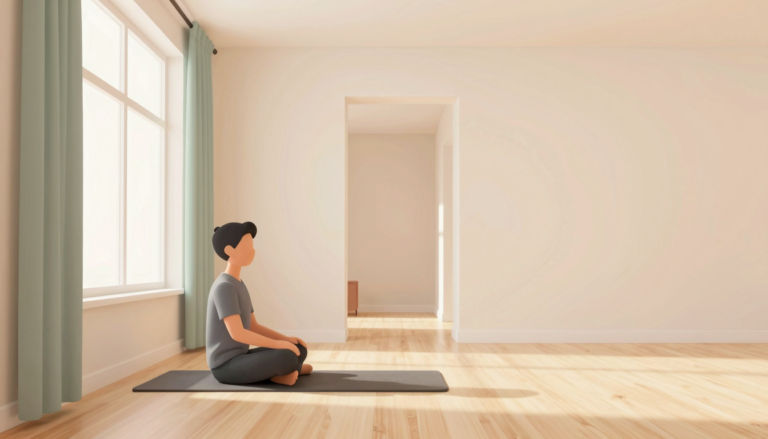
Feeling energetic after only four hours of sleep once seemed implausible to the writer of a March 8 morning-reading diary. Written for a March early-rising reading group studying a book on early rising, the entry explores a change from lingering reluctantly in bed to getting up readily. Reading the book had changed the writer's understanding of early rising: the morning could become something to anticipate, rather than an ordeal to endure through force.
What most surprised the writer was a five-step progression they attributed to the book—a gentle negotiation with inertia that begins the night before. The first step is to spend 30 seconds choosing the first enjoyable thing to do the next morning. Making pour-over coffee or reading two pages of a book one has been looking forward to gives waking up an immediate attraction.
The second step makes staying in bed less convenient: put the alarm somewhere that requires getting up to reach it. That physical distance interrupts the temptation to lie down for another five minutes. Third comes simple stretching or a set of jumping jacks. The aim is to activate the body rather than leap abruptly out of bed; in the writer's description, the movement gets the blood flowing, like pressing a start button.
Fourth comes a cup of warm water and 30 seconds of sunlight, with bright artificial light offered as an alternative. The writer presents the combination as bringing in energy and awakening the body clock. The fifth step gives the time gained a direction: spend five minutes writing down the day's central plan.
For the writer, the appeal lies in allowing the natural wish to stay in bed while finding a way to turn that attachment into motivation to rise. They capture the idea in a quotation they attribute to the book's author: “You don't have to break with your bed; you can reach a new understanding with it. It gives you four hours of deep restoration, and you give it an energetic morning in return.”
That image of negotiation carries into the writer's own experience. They recall working on a project until 2 a.m., then tossing and turning with anxiety about not getting enough sleep. The next day passed in a groggy haze.
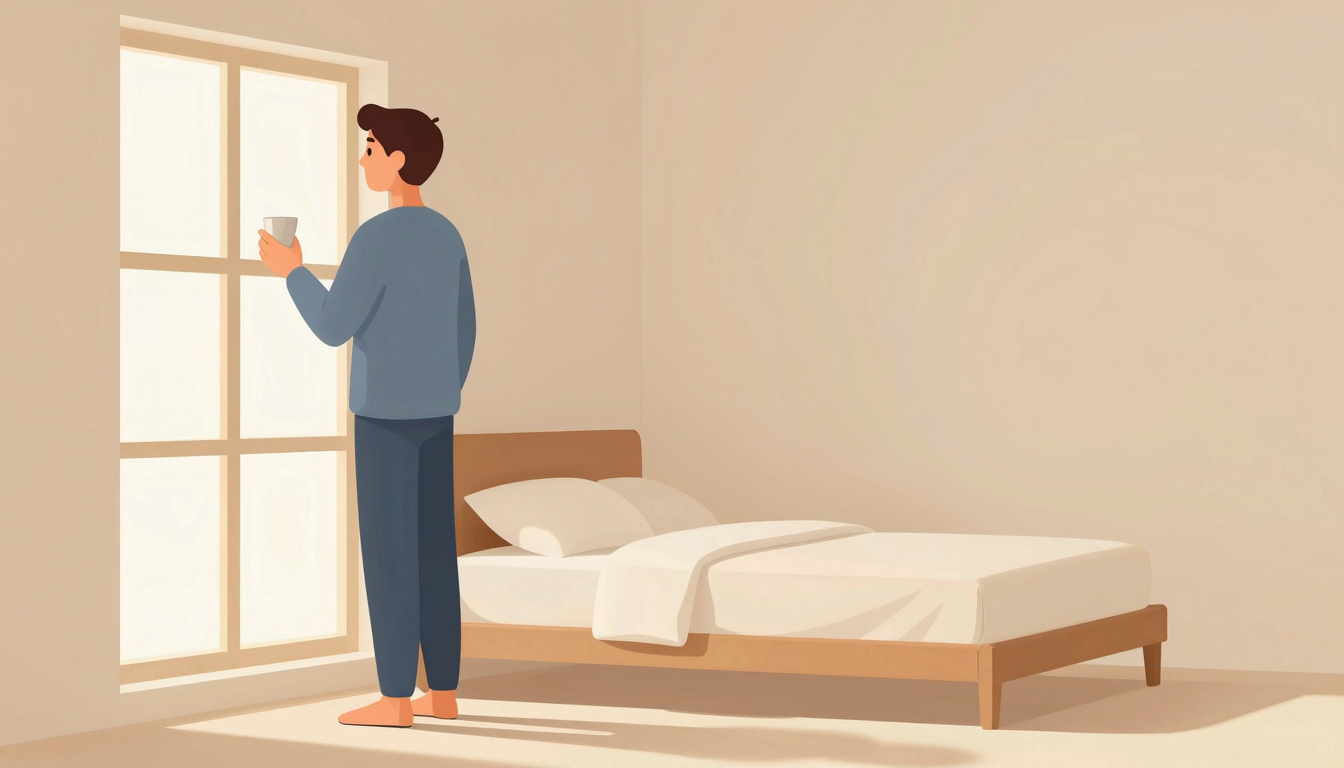
Later, they tried adapting the routine. Before bed, they decided to write a passage they would enjoy the next morning and placed the alarm beside the desk. After rising, they did ten squats, drank a cup of warm water while standing at the window looking at the morning light, and spent five minutes making the day's list. Despite sleeping only four hours, they report feeling as though they had been reset: no grogginess, but a lightness that came with feeling in control of their time.
The diary also presents a different five-step sequence, explicitly attributed to the book as a method for remaining energetic after four hours of sleep. Here, the first step is positive self-suggestion before bed. Its stated rationale is that the first thought on waking is often the previous night's last thought. The suggested practice is to end the evening with an encouraging statement, such as: “I believe I will wake up full of energy tomorrow, ready to meet the new day at my best.”
The second step again places the alarm far from the bed, requiring movement to switch it off. In this method's explanation, movement produces energy, and the activity of getting out of bed awakens awareness and helps dispel drowsiness.
The sequence then takes a different turn. Third comes thorough toothbrushing. The method credits a good toothbrush and high-quality toothpaste with adding vitality, and a fresh mouth with helping a person feel refreshed and begin the day in a better state. Fourth comes immediately drinking a large glass of warm water to replenish fluids, an action the method describes as reducing fatigue, bringing rapid alertness, and supporting metabolism.
The fifth step is to put on exercise clothes and exercise in the morning until sweating, then take a comfortable shower as a reward. In this presentation, the shower washes away fatigue and offers a fresh start to the day.
The writer's broader reflection centers on the care given to meeting the morning. They come away convinced that this, rather than the number of hours slept, is the key to vitality. In their telling, getting up changes from an imposed task into an appointment to look forward to. Lingering under the covers gives way to rising readily, and even four hours of sleep can hold the strength to resist fatigue.
Perhaps, they suggest, the miracle of early rising lies in making peace with life instead of struggling against the body: five simple steps might make each morning feel like a gift rather than a burden.
Frequently asked questions
What begins the diary's first five-step routine?
The first step is to spend 30 seconds before bed choosing the first enjoyable thing to do the next morning, such as making pour-over coffee or reading two anticipated pages.
How do the two morning routines differ?
The first includes light exposure and five minutes of daily planning. The later sequence includes thorough toothbrushing and morning exercise until sweating, followed by a comfortable shower as a reward.
What did the writer report after trying an adapted routine?
Despite sleeping only four hours, the writer reported feeling reset, without grogginess, and with a lighter sense of control over time.