Summary
Choosing to end a relationship does not spare you its grief. A personal account explores heartbreak, the loss of self-definition and the patient work of caring for yourself afterward.
At a glance
A breakup can bring grief, powerful attachment urges and a shaken sense of identity—even when you chose to leave. The article describes emotional upheaval, withdrawal, mourning and rebuilding as an illustrative sequence; experiences and recovery times differ. Self-compassion, time to process the loss and renewed attention to personal interests can help you care for yourself as you rebuild.
“It’s just a breakup. Does it really have to hurt this much?”
In “Goodbye,” a sketch from the second season of the Chinese comedy competition Annual Comedy Competition, an actor with greasy hair and rumpled clothes portrays a woman struggling through heartbreak. The swings between distress and attempted composure are painfully recognizable.
Watching it brought me back to the day I ended my own relationship.
“Let’s break up,” I said.
I felt his body go rigid. He let out a deep sigh.
“Have you really thought this through?”
“I have.”
Then I started crying in front of him, despite myself. He wiped away my tears.
“Why are you crying?”
“I didn’t expect it to hurt this much to say it, after all the time I spent preparing myself. I think being apart might make things easier for me.”
He sighed again. “Okay.”
I turned and walked away without looking back. Once I thought I was out of his sight, I broke down sobbing.
As I walked, I opened the little app where we had recorded our everyday life as a couple, removed our relationship status and quickly changed our matching profile pictures.
In those first days after the breakup, I was all over the place emotionally. Just like the woman in “Goodbye,” I would cry one moment and laugh the next, try to hold myself together and then stumble. The performance captured heartbreak so well.
I had chosen to leave. I was still doing terribly.
Why heartbreak hurts
Why can the end of a relationship bring so much sadness and pain?
Neuroscience research cited in this discussion offers an explanation: recalling a painful breakup activates brain regions that also become active during physical pain. In that sense, the ache of heartbreak is more than a description of an emotional state. We really experience pain.
Research has also found similarities between the brain activity involved in remembering happy romantic experiences and activity associated with drug addiction. That is the idea behind the comparison that falling in love is like taking a drug: attachment can become compelling, something we find difficult to pull ourselves away from.
Within that analogy, a breakup resembles withdrawal. Reason can struggle to govern our behavior while emotion spreads and our hearts ache.
There is another loss inside the loss of a relationship: a disruption in our sense of who we are.
A partner can have a powerful influence on our identity. Like a mirror, they reflect us back to ourselves, helping us recognize and redefine who we are. The closeness of a romantic relationship also means that partners influence one another’s words and actions. The boundary between “me” and “you” can become less distinct, until the other person feels like part of the self.
Losing that person can then feel like losing a piece of ourselves. The identity we built within the relationship may seem to collapse.
We struggle to imagine how to live alone without them. We may wonder who we even are when they are no longer beside us. This loss of self-definition is one source of the emotional collapse that can follow a breakup.
Intimacy also means gradually revealing our whole personality to another person. When we have laid ourselves bare and the relationship still ends, a frightening question can follow: “Does this mean I’m fundamentally unworthy of love? Am I someone who doesn’t deserve it?”
What moving through a breakup can look like
One way to describe the experience is through four stages. This is an illustration: people’s experiences and feelings differ, as does the time they need to recover.
Emotional upheaval. An interview study described the intense emotional impact people can experience immediately after a breakup. Anger and sadness may pour out without restraint. When the feelings become overwhelming, the pain may give way to numbness.
Withdrawal. Much as someone experiencing addiction may repeatedly seek contact with the substance they crave, a person after a breakup may feel driven to keep checking an ex’s updates or contact them late at night to ask for another chance. You may feel that what you are doing is undignified and still find the urge difficult to control.
Mourning. Losing someone we love or are attached to brings grief; the discussion uses the term “bereavement” for this loss. Interest in the outside world can fade. Daily routines become disrupted, and the ability to love or feel loved may seem to disappear. Happy memories return, bringing a deep and painful sense of dejection.
Rebuilding. Over time, sadness gradually eases. In this phase, you let go of the past: you stop hoping to get back together and stop constantly monitoring your ex’s life. Your attention returns to looking after your own life. You may eventually begin another relationship.
However your own experience unfolds, recovery can be a long process. Learning to care for yourself is part of finding your way through it.
Meet yourself with compassion
According to the psychological research cited here, people who recover quickly from a breakup all have high self-compassion.
Self-compassion means being willing to experience your pain without avoiding it, meeting it with openness and tolerance, and trying to understand it without prejudgment. It is both an attitude toward yourself and a way of responding to difficult emotions. It has three elements:
- Self-kindness: responding to your shortcomings and limitations with understanding.
- Common humanity: recognizing that everyone can fail, make mistakes or fall into unhealthy behavior. Nobody is perfect.
- Mindfulness: seeing your present situation clearly and finding emotional calm through that awareness.
After a breakup, it is easy to turn every question into an accusation against yourself: “Where wasn’t I good enough? What did I do wrong that made him leave?”
Instead, you might offer yourself reassurance: “This breakup doesn’t mean there is something wrong with me. We weren’t right for each other. I believe I am worthy of love.”
Perhaps an unsuccessful relationship is one of the lessons we encounter as we grow, and the pain of separation is part of that growth.
Truly moving through the pain of heartbreak requires us to stop scrutinizing and criticizing ourselves. Be kinder and more forgiving toward yourself. Offer yourself the same comfort you would offer a close friend whose heart had been broken.
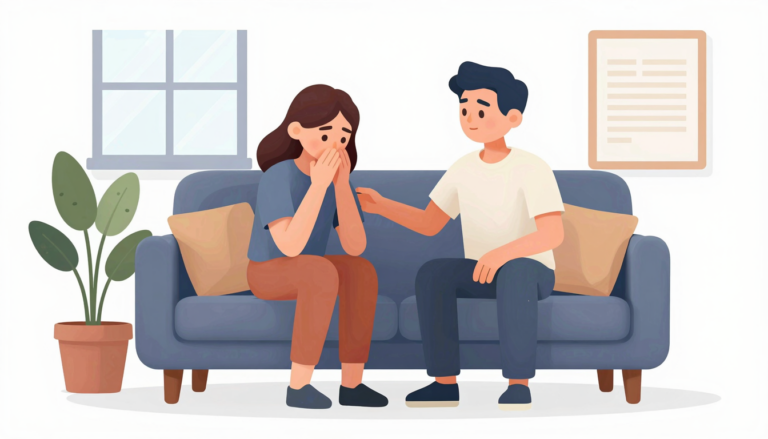
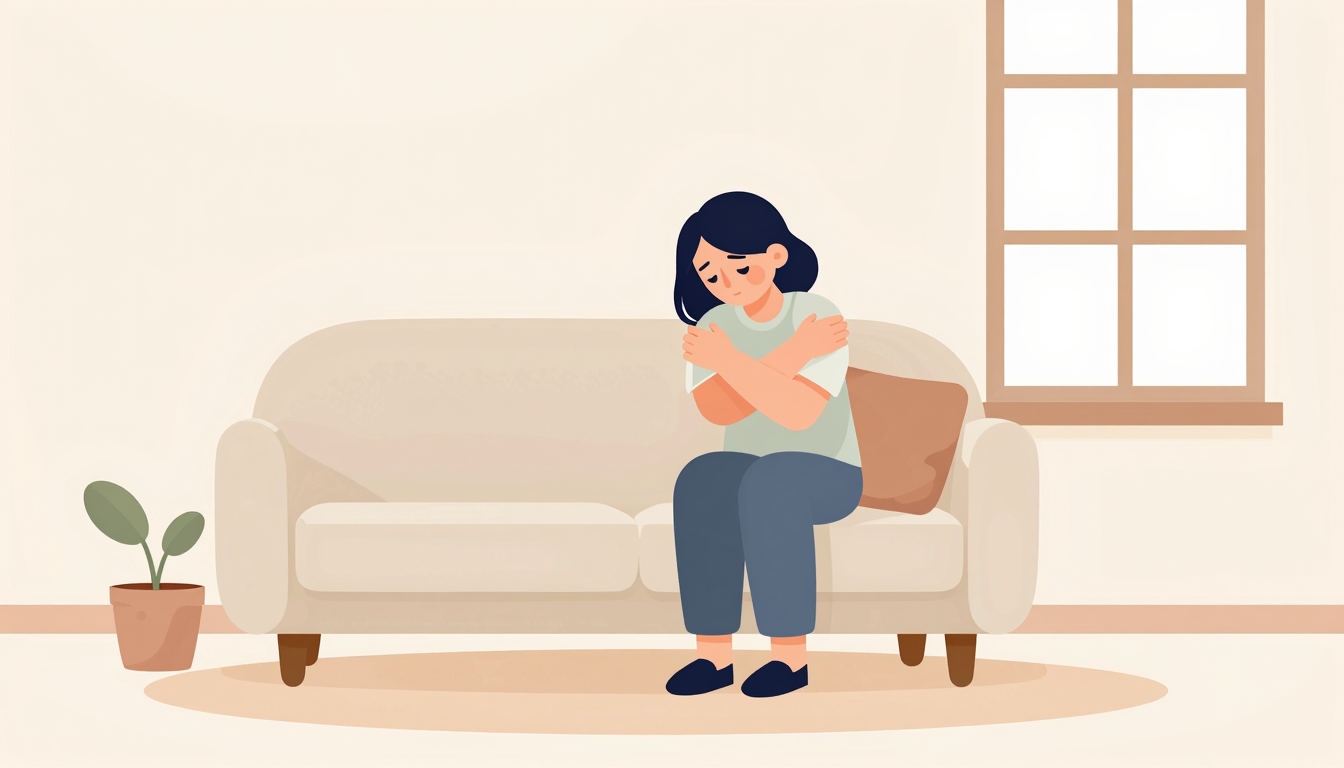
You can also try a mindfulness practice: notice the loss and pain you are feeling right now, and respond with tenderness and compassion. Imagine putting your arms around the vulnerable person you are in this moment.
Give yourself time to rebuild
You do not have to force yourself to stop hurting and embrace a new life immediately after a breakup. That is almost impossible.
Give yourself time to sort through the past and rebuild the sense of self that has been shaken.
Part of this is finding a way to be alone that feels comfortable. Who are you when your former partner is no longer beside you? What do you enjoy doing?
You can also put time and energy into your own development. Try something that interests you. Be brave enough to explore. These efforts can help you regain a sense of agency over your life and strengthen your self-esteem.
If you are living through heartbreak, my hope is that you will love yourself a little more and care for yourself a little better.
After all, the love you give yourself is the most precious kind of love in the world—and one you never have to lose.
Frequently asked questions
Can a breakup hurt even if you chose to leave?
Yes. The narrator chose to end the relationship after preparing for it, yet cried during the conversation and struggled afterward. Initiating a breakup does not prevent grief.
Does everyone go through the same four stages after a breakup?
No. Emotional upheaval, withdrawal, mourning and rebuilding are an illustration of how recovery can unfold. People’s experiences, feelings and recovery times differ.
What does self-compassion after a breakup involve?
It involves acknowledging pain without avoiding it or judging yourself harshly. The article describes self-kindness, recognition of shared human imperfection and mindful awareness as its three elements.
How long should rebuilding after a breakup take?
The article gives no fixed deadline. Recovery can be a long process, and the time needed differs from person to person. It encourages allowing time to process the past and rebuild a sense of self.