Summary
A favorite cup, a comfortable movement aid and a calming object anchor the author's approach to gentler mornings. Enjoyable daily repetition connects the three rituals.
At a glance
The author suggests slowly sipping 200 ml of warm water from a favorite cup, stretching gently for three to five minutes, and spending one to two minutes settling the mind with a calming object. Choose objects you enjoy using and repeat the rituals daily. The promised improvements in energy, clarity and decisions belong to the author's traditional account; no exact time to improvement is given.
You have slept seven to eight hours, yet you open your eyes feeling groggy and weak, your mind wrapped in fog. You drag yourself out of bed but still feel ungrounded, drained of strength and emotionally flat. Nothing seems worth the effort. Even a small decision becomes an exhausting round of hesitation.
The more depleted you become, the weaker you feel; the weaker you feel, the harder waking becomes. Morning turns into a cycle that feeds itself.
The explanation I am offering is not laziness or too little sleep. It is physical and mental exhaustion, combined with what a traditional framework describes as qi and blood not yet rising—and a way of waking that demands too much mental energy.
For someone described as shen ruo, a state of weakness or depletion, an abrupt start is especially draining: a blaring alarm, suddenly jumping out of bed, immediately scrolling through a phone, or gulping down cold water. In this traditional account, each step draws down yang qi and scatters vital energy, leaving fatigue in charge for the rest of the day.
I tried forcing myself into motion with coffee, vigorous stretching and fast exercise. What followed was a racing heart, greater weakness and exhaustion, and an afternoon crash.
Eventually, I came to see the morning differently. The essentials were gentle waking, a little bu yin and habits I could enjoy. Instead of trying harder or making wellness another competition, I could choose three simple objects I truly liked and use them every day. Waking could become a pleasant ritual. In this account, that ritual gradually develops into a stable, healthy way of living, with energy naturally restored in full.
Begin with the first few minutes
The claim here is that World Health Organization research clearly establishes this breakdown: 60% of health problems are assigned to lifestyle, 20% to emotions and environment, 8% to medical care, and 15% to heredity.
The larger point is that a healthy lifestyle suited to your own needs is something you can influence directly. I see it as the least expensive and most lasting route to better health. I see the first few minutes after waking as the best starting point: a small window for building habits, replenishing energy and settling the mind.
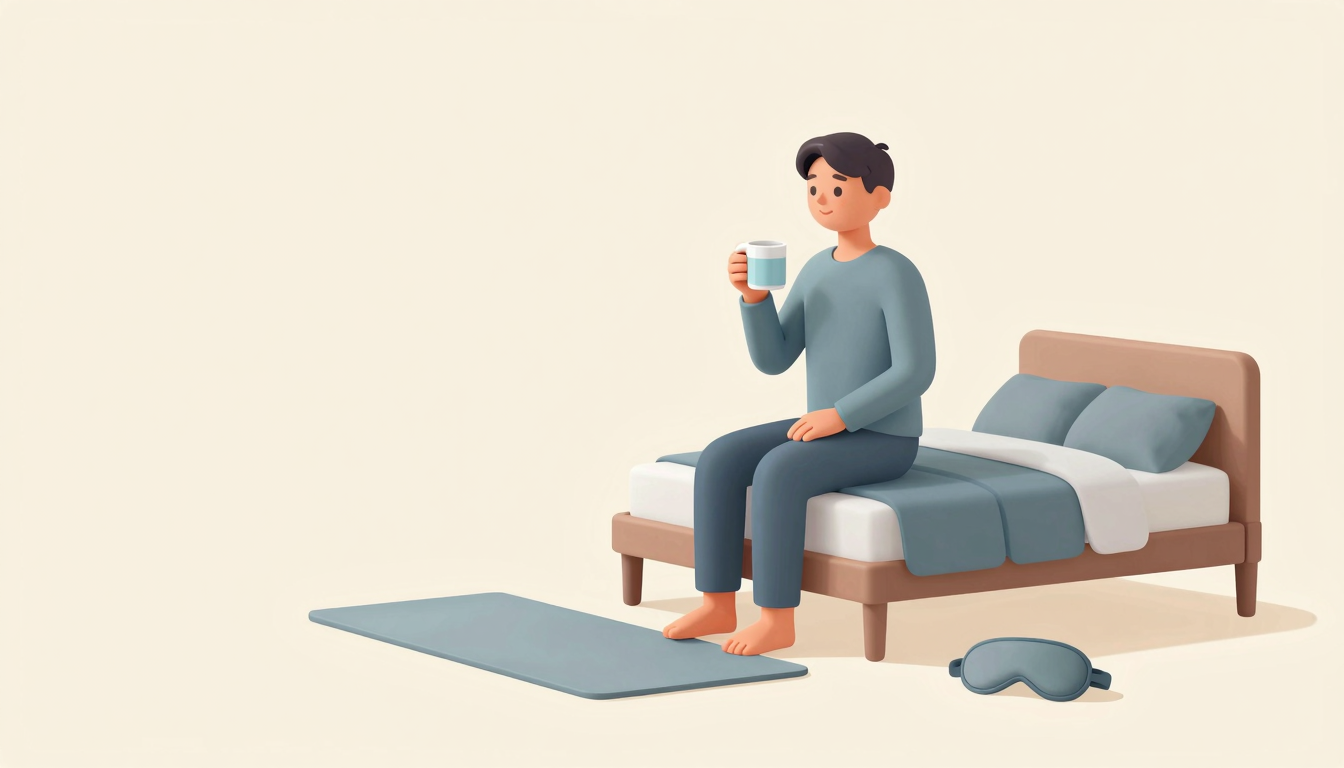
Choose three objects that are pleasant to look at, enjoyable to use and inviting enough that you want to reach for them each day. Repeated use turns them into a ritual. That is what I mean here by bu yin: replenishing a sense of safety, a sense of order and a steady supply of energy. The promise is an easier transition into waking and freedom from fatigue throughout the day.
A favorite cup for a gentle start
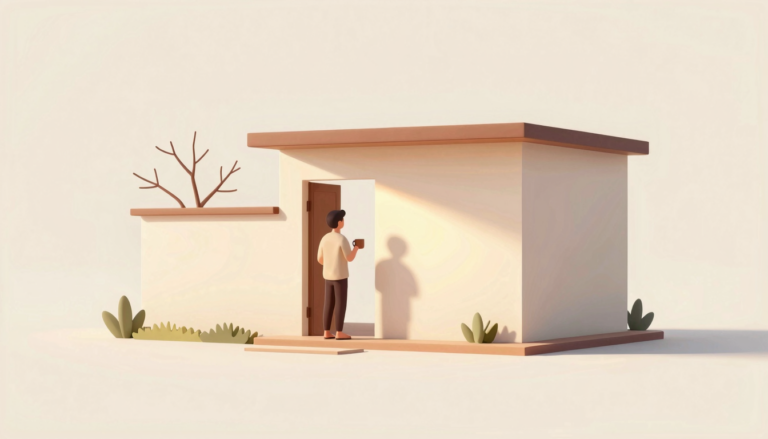
Choose an attractive cup that feels comfortable in your hand. Make your first morning action pouring 200 ml of warm water, then drink it slowly in small sips.
There is no need to gulp. The idea is to gently awaken the spleen and stomach after a night of rest. In the traditional framework behind this practice, they are the source of qi and blood. Warm water gives the body a gradual transition into activity—a little buffer while it starts up.
The cup also carries a quieter message. Each time you hold it, it reminds you to care for yourself. Daily use makes warm morning hydration an easy habit. The claimed result is that qi and blood gradually rise and the feeling of weakness begins to ease.
A comfortable aid for gentle movement
Your second object might be a soft yoga mat, a comfortable cushion or a small massage tool that is easy to handle. Choose something that makes movement inviting.
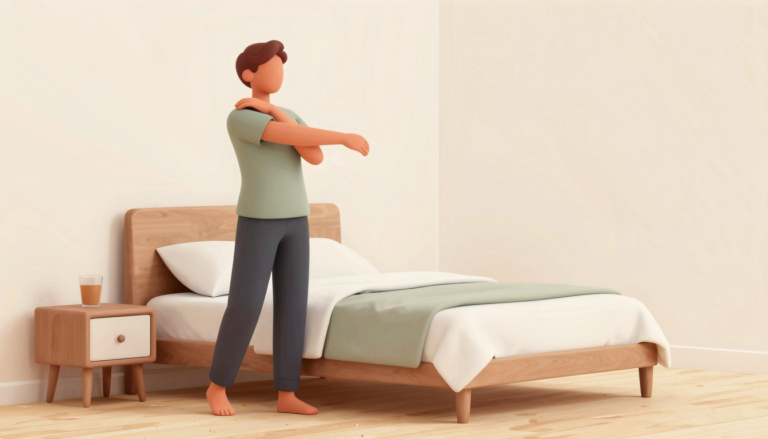
After waking, avoid suddenly getting up. Spend three to five minutes stretching gently on the bed or a mat. Stretch your whole body, rotate your wrists, and ease your shoulders and neck through comfortable movements. Stop when you feel slightly warm.
The aim is to gently open the meridians without depleting yang qi. Avoid vigorous exertion and heavy sweating; let qi and blood begin to circulate gradually.
An object you enjoy using helps turn stretching into a pleasure instead of another assignment. With daily repetition, the promised changes are noticeable relief from morning stiffness, dizziness and grogginess. As the body feels lighter, the mind becomes clearer too.
A calming object for a quieter mind
For the third object, choose something that helps you settle: a lightly scented aromatherapy item, a soft eye mask or a small decorative object that invites a moment of quiet.
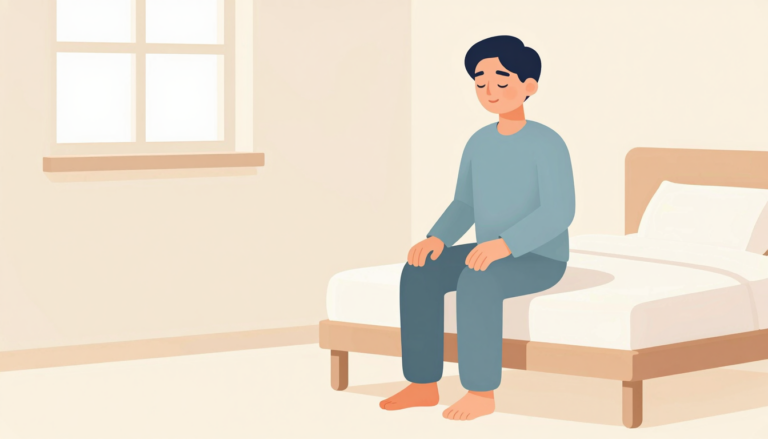
Give yourself one to two minutes in the morning to close your eyes, breathe deeply, take in a gentle scent and let your thoughts settle. During that interval, do not scroll through your phone, check messages or think about your to-do list.
This is a chance to gather your scattered attention and give your emotions a soft place to land. In this account, early-morning anxiety is the most mentally draining thing for someone feeling depleted.
The claim is a strong one: using a favorite object to steady the mind means waking without panic and moving through the day without feeling thrown into disorder. Decisions become steadier, without wavering or mistakes.
Let enjoyment carry the habit
Many attempts at healthier living fail because people force themselves to do things they dislike. When you already feel depleted, that pressure costs you more. Forcing yourself is draining; enjoying something is nourishing.
These three objects are not special wellness products. They are anchors for a healthy lifestyle. Using them each morning works gentle waking and light daily care into the ordinary rhythm of your life.
The appeal is that this asks for no spending, no strenuous effort and no constant act of willpower. When pleasure becomes instinctive, the habit takes root naturally.
Keep returning to the rituals for a while, and the promised difference extends beyond those first few minutes. Waking stops being a painful struggle; you begin the day feeling at ease and grounded. You have energy during the day, without sleepiness or the mental friction that wears you down. Decisions, large and small, become clear instead of tangled in hesitation.
That is the power I see in a way of living that fits you: the right habits do more for you than any restorative tonic or nourishing supplement.
Frequently asked questions
What does bu yin mean in this article?
The author uses bu yin to mean replenishing a sense of safety, order and stable energy through enjoyable daily rituals.
How much stretching does the author suggest after waking?
The author suggests three to five minutes of gentle stretching on the bed or a mat, stopping when slightly warm and avoiding vigorous exertion and heavy sweating.
How soon does the author say the rituals will help?
The author links the promised changes to repeated daily practice over an unspecified period. No exact time to improvement is given.