Summary
A blanket or stuffed toy can become a deeply familiar companion. Understanding that emotional bond helps explain how reassurance and growing independence can develop together.
At a glance
A familiar comfort object can ease distress during separation from parents and provide reassurance that supports growing independence. It cannot fully replace a parent, but the article describes how coping with its help may develop into an internal resource for managing stress. If practical circumstances make reducing reliance necessary, the change should be gradual, tactful, and flexible.
A Child’s Bond With a Comfort Object Encourages Independence Rather Than Fragility
Watch young children closely, and it can seem as though every child has something special they turn to for comfort: a piece of their mother's clothing, a stuffed toy, or a little blanket. To an adult, these may look like ordinary belongings. To the child, they mean something quite different. It can be hard to appreciate just how much reassurance such a small thing has given them.
Another Source of Security
A study from the University of Bristol in the United Kingdom and Yale University in the United States reported that as many as 70% of children develop a strong attachment to their early comfort objects and soothing toys as they grow up. On the surface, a toy may simply seem to help a child settle when they are upset. Its soothing role, however, responds to a deeper psychological need: a young child's strong need to feel safe.
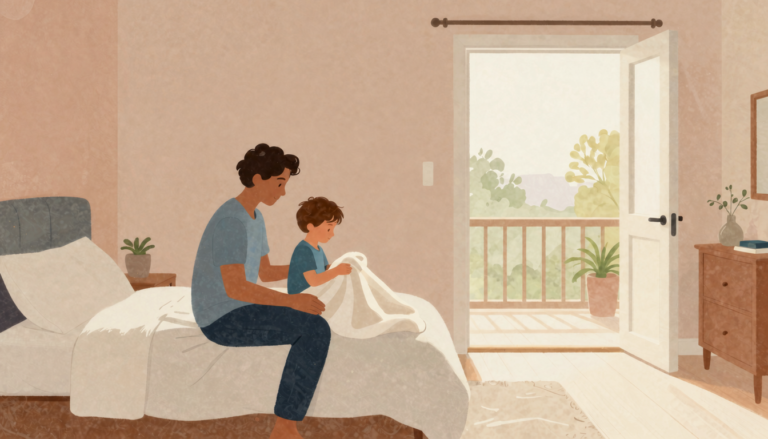
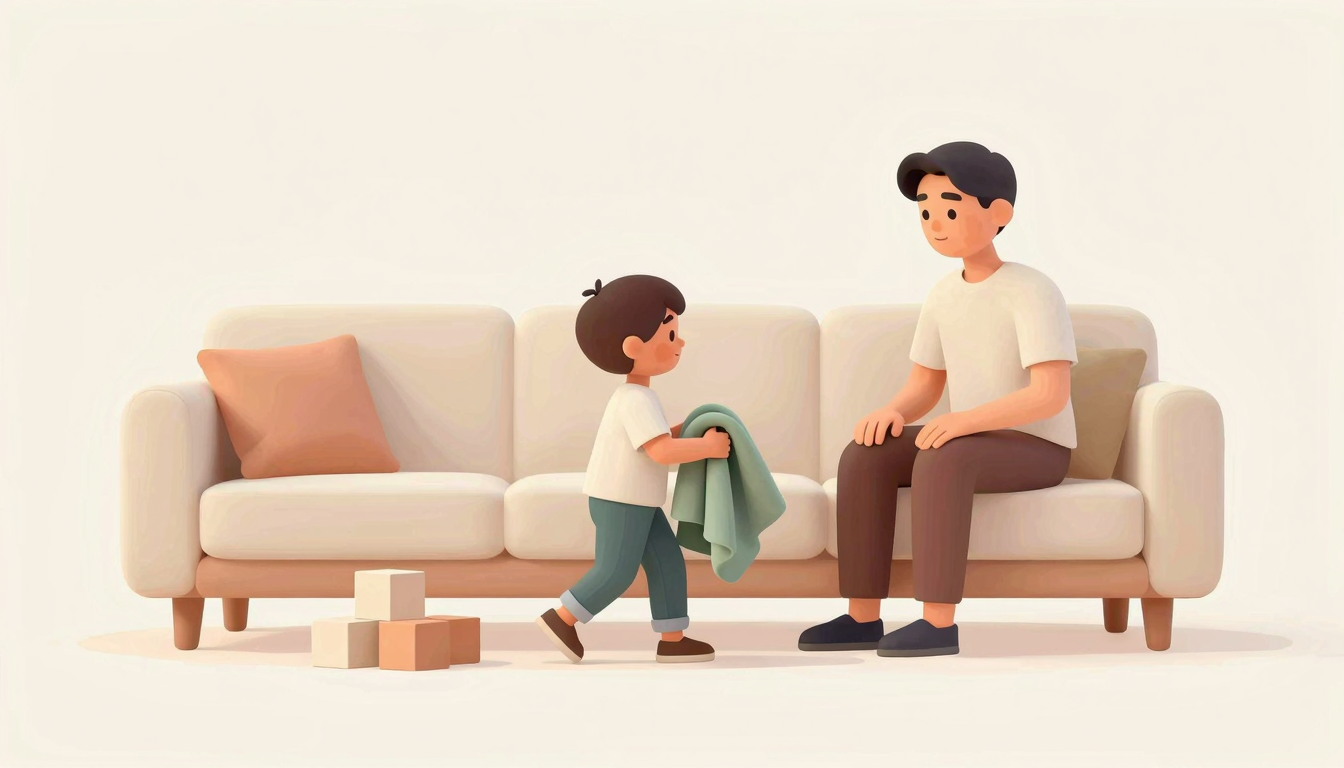
That support matters when children have to be apart from their parents. A comfort object cannot fully replace either parent, but it can help ease the distress of separation. Safe, soft, and familiar, it is a companion the child can turn to whenever they need reassurance. Its ready presence helps restore some of the security they are missing.
Attachment Supports Independence Rather Than Fragility
Many parents, particularly those with older children, see reliance on a comfort object as a weakness. Hoping to encourage independence, they try to move the blanket or toy out of their child's life early. Yet this gets the object's role in development backward: the reassurance it provides can help children become more independent.
Another study found no absolute link between the quality of the parent-child relationship and a child's attachment to a comfort object. It also found that children with closer bonds to these objects adapted better when facing stress. This suggests a way to understand how comfort and independence can develop together: children initially manage stress with help from something outside themselves, and that coping ability becomes an internal resource as they grow. Even when the original object is long gone, the capacity it helped support can remain as an adult's ability to manage stress.
The Emotional Bond Runs Deeper Than Adults May Realize
Adults may regard a comfort toy as an inanimate tool that fills a need for security. For a child, the relationship is more like the bond between the prince and his rose in The Little Prince. Time together makes the companion special: there is companionship, someone to confide in, and comfort in return. Even a comfort cloth without a face can become, in a child's experience, a very real companion with a familiar smell, warmth, and feelings of its own.
Recognizing that emotional bond changes how adults should respond. Remarks such as “It's just a piece of cloth” or “It's only a doll” can hurt a child by dismissing something deeply important to them. The same care should guide our actions: avoid forcibly taking the object away or hiding it. What seems to an adult like removing a possession can feel to the child like losing something woven into their life.
If practical circumstances really do make it necessary to reduce a child's reliance on a comfort object, approach the change gradually, with tact and flexibility. Respecting the bond means allowing that adjustment to happen with care.
Frequently asked questions
Can a comfort object replace a parent?
A comfort object cannot fully replace either parent, but it can help ease the distress of separation.
Does attachment to a comfort object mean a child has a poor relationship with their parents?
The article reports a study finding no absolute link between parent-child relationship quality and comfort-object attachment. This does not establish that the two are wholly unrelated.
When should parents reduce a child's reliance on a comfort object?
The article recommends reducing reliance only if practical circumstances make it necessary, using a gradual, tactful, and flexible approach. It specifies no age for removal.