Summary
A later-life partner can become an important attachment figure and source of support. Security, relationship quality, individual variation and wider connections matter more than marital status alone.
At a glance
Secure attachment can make asking for and receiving support easier in later life. A spouse may be central without being the only meaningful relationship; attachment patterns vary and do not determine health or happiness.
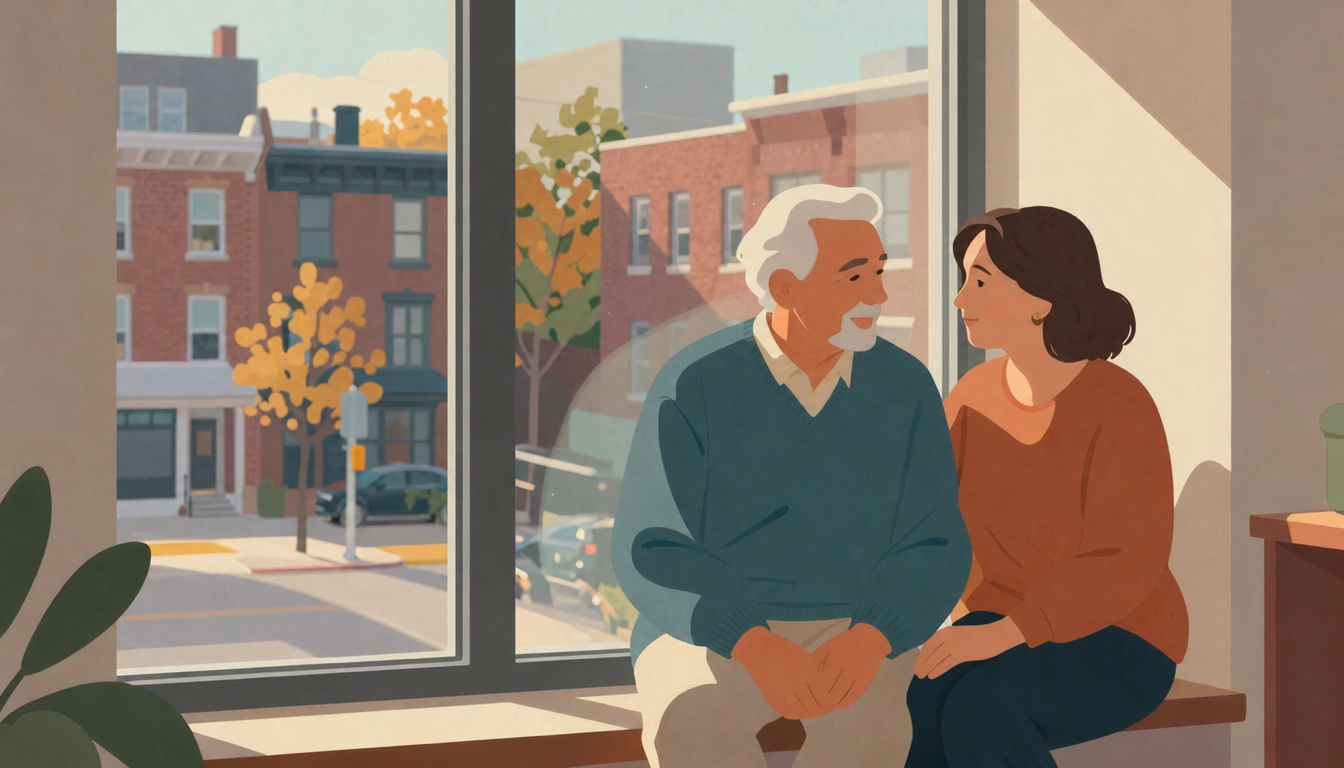
Retirement changes the rhythm of contact with coworkers. Adult children build lives of their own. Longtime friends may be busy, less mobile, or farther away. For many older adults, a partner becomes the person most consistently present in an ordinary day.
That presence can provide companionship and practical support. Its value depends on the quality of the relationship, including whether each person feels able to ask for help without losing dignity or independence.
Why a partner may become more central
Attachment originally described the bond between an infant and a caregiver. The concept also applies across adulthood: people turn toward significant others for reassurance, protection, and a dependable base. Partners are important attachment figures for many people, alongside family, friends, mentors, and sometimes religious or symbolic figures.
Socioemotional selectivity theory offers one explanation for changing priorities. As perceived time becomes more limited, emotionally meaningful relationships may take precedence over expanding a network. Research on the theory concerns motivation and time perspective, not an instruction that every older person should narrow their life.
A spouse can therefore become more central without being the only valuable source of connection. Bereavement, divorce, living arrangements, health, and the history of the partnership create very different circumstances. A smaller network can reflect preference, but it can also reflect unwanted losses.
Four attachment patterns as a framework
Bartholomew and Horowitz's four-category model organizes adult attachment through views of oneself and others. It was published in 1991. Its patterns are useful descriptions rather than fixed diagnoses or a ranking of human worth.
A secure pattern combines a sense of being worthy of care with an expectation that others can be available and trustworthy. Closeness and independence need not feel mutually exclusive.
A preoccupied pattern combines greater doubt about oneself with a strong investment in others' acceptance. Reassurance may feel especially important, and uncertainty about a partner's response can be difficult to tolerate.
A fearful pattern involves negative expectations about both self and others. Someone may want connection while avoiding it because rejection feels likely.
A dismissing pattern emphasizes self-reliance and distance from dependence, alongside less positive expectations of others. That differs from assuming that everyone who values independence expects rejection or lacks affection.
These are prototypes. A person's experience can vary across relationships and circumstances. Feeling secure with a spouse while remaining guarded with acquaintances is possible; a stressful transition can also change how reassurance is sought or received.
What security makes easier
With secure marital attachment, a partner can be a source of help rather than another test of worth. A person may be more able to acknowledge a difficulty, ask for support, and receive it without concluding that dependence makes them inadequate.
That can matter when adjusting to health changes, retirement, or other losses. Support also works in the other direction: a respectful response can make future requests easier. Everyday reliability gives reassurance something concrete to rest on.
Avoiding support may leave some needs unmet, while anxious demands for reassurance may strain both people. Neither pattern proves that an older adult has weak social skills or is destined to be lonely. Relationship quality and well-being can influence each other, and wider circumstances matter.
The useful question is what helps this couple feel safe enough to be both connected and separate. Listening, taking concerns seriously, and respecting each person's preferences can matter more than assigning a label.
A secure base still leaves room for a wider life
A lifelong relationship does not stop needing care because it has lasted a long time. The source's closing image of a secure base is valuable: closeness can offer strength to engage with the world rather than require withdrawal from it.
Friends, family, interests, and community can remain important to well-being in later life. Maintaining them need not diminish a partnership. It can protect both people from making one relationship carry every emotional and practical need.
A supportive marriage is therefore less about becoming inseparable than about feeling respected and able to rely on one another. The aim is a connection that supports dignity, care, and continued participation in life.
Frequently asked questions
Do all older adults become more dependent on a spouse?
No. Networks, life circumstances and preferences differ.
What does secure attachment involve?
Feeling worthy of care and expecting that a close other can be available and trustworthy.
Are attachment categories diagnoses?
No. They are descriptive prototypes rather than fixed clinical labels.
Can different relationships feel different?
Yes. A person may be secure with one figure and guarded with another.