Summary
Chosen enclosure can provide familiarity and privacy, while crowding and obscured views can remove control and create fear. Context matters more than smallness alone.
At a glance
Small enclosed spaces may comfort when they offer a respected personal boundary and a chance to rest. Crowding, uncertainty and limited control can reverse that experience. Persistent fear that disrupts life warrants professional assessment.
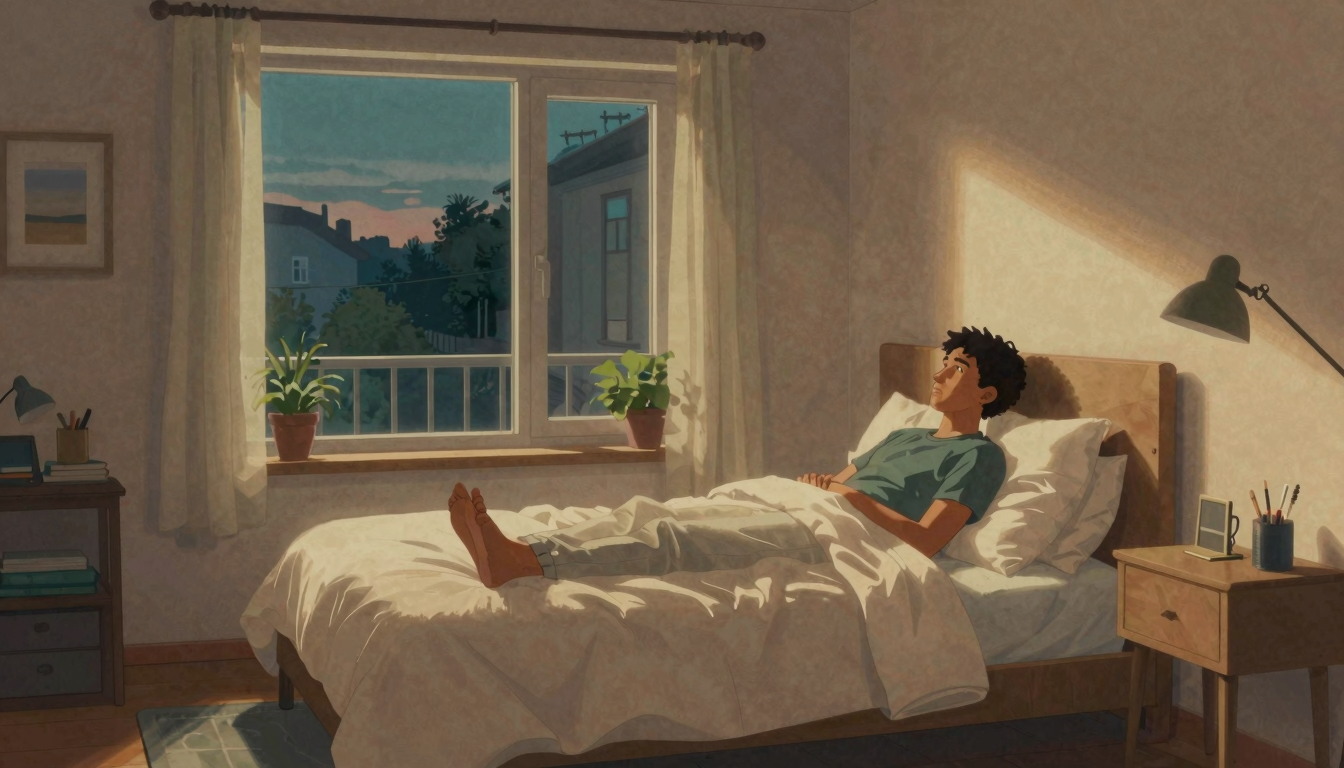
A child builds a den under a bed. An adult pulls a blanket around their shoulders late at night. A tiny loft nook looks more inviting than the open room beneath it. These preferences suggest that more space is not always what makes a place feel better.
Yet a packed train or a dark passage can produce the opposite wish: get me out of here. Smallness and enclosure cannot explain the difference on their own. A space may feel comforting when it gives you privacy, familiarity and a boundary you can control. It may feel threatening when those same walls seem to limit your choices.
What a small refuge can offer
A pause after feeling exposed
Imagine presenting a literature review at a group meeting and being unable to answer the questions. You spend the rest of the session wishing you could disappear. When you finally return to your room and close the door, something changes: you no longer have to respond, explain or manage how you appear to the group.
The room has not repaired the presentation. It has changed the immediate demands. Familiar surroundings and the ability to shut out interruption can make it easier to let the tension settle.
The original article describes this through the image of a secure base, drawing an analogy with attachment theory. A familiar room can certainly feel like a refuge. That analogy does not establish that any enclosed space automatically provides psychological security, or that a physical room has the same role as a supportive attachment relationship.
The shelter beneath a blanket may offer a similar sense of separation from the wider day. What matters is the experience of being able to rest within a boundary, rather than a particular number of square feet.
Privacy within a shared environment
Bed curtains in shared university accommodation illustrate another part of the appeal. The curtain does not create a separate apartment, but it marks a small area as personal. Someone behind it can relax without feeling continuously available to everyone else.
This is private personal space within a communal setting. Its value depends partly on whether other people respect it. A roommate opening the curtain without permission may feel intrusive because the action crosses a boundary, however thin the fabric.
The territorial aspect is about access: who can enter, look in or interrupt? A small enclosure can make that boundary clearer than a place in the middle of an open room. Privacy can therefore matter even when the physical barrier offers little protection.
A person may enjoy the nook because it is theirs to choose, rather than because they prefer confined spaces in every circumstance.
Why a crowded train feels different
Now imagine the morning subway. You are pushed into a carriage before you are fully awake. Someone's breath stirs your hair. Body heat, perfume and the smell of breakfast fill the small gap around you.
The carriage is enclosed, but it offers neither privacy nor control over proximity. Other people occupy the space you would normally want to keep around your body. You cannot simply move the wall outward or ask everyone to stand farther away.
That is a different experience from choosing to curl up in a familiar corner. The contrast helps separate enclosure from crowding. A room can be small without being crowded; a larger place can still feel crowded when people press close and movement is restricted.
The response is not a contradiction. Wanting a protected boundary and disliking unwanted closeness can arise from the same wish to have some control over your surroundings.
Darkness adds uncertainty to enclosure
Horror films exploit another difference. Objects block the view, a corridor narrows and dim light leaves part of the scene unreadable. The audience cannot see what might be ahead or behind a barrier.
In that setting, enclosure does not announce privacy. It can suggest limited escape and missing information. A shadowed corner becomes unsettling because the scene encourages you to imagine what cannot be seen.
This is an interpretation of a common filmmaking technique, rather than a claim that everyone responds identically. A nook with soft light may feel peaceful to one person and too constricted to another. Familiarity, context and personal experience change the meaning of the space.
When fear needs more than reassurance
If a film becomes too uncomfortable, you can stop watching. You might also remind yourself of the difference between the fictional scene and the room you are actually in. Neither choice is a test of courage, and watching more horror is not a required treatment.
Fear of confined spaces can sometimes become persistent and disruptive. The NHS guidance on claustrophobia describes reactions ranging from anxiety to panic and identifies professional help, including cognitive behavioral approaches and exposure therapy, as options.
Structured treatment is different from forcing yourself into a frightening situation. If fear limits travel, appointments or ordinary activities, discuss it with a qualified clinician. Enjoying a blanket or disliking a packed carriage does not, by itself, establish a phobia.
Let the refuge support your return
A room with the door closed can provide a useful pause after an overwhelming day. The privacy is valuable even when it is temporary. You do not need to dismiss that comfort simply because work and responsibilities remain outside.
At the same time, the blanket will not answer the questions from the failed presentation or finish the next assignment. Rest serves you best when it helps you return with more capacity, rather than becoming the only place where life feels manageable.
The useful question is what the space allows you to do. Does it provide enough quiet to recover? Can you leave when you choose? Does the boundary feel protective, or does it feel like a restriction? Those answers explain more than smallness alone.
Frequently asked questions
Why do bed curtains feel comforting?
They can mark personal territory and reduce the feeling of being continuously available to others.
Why is a crowded train different?
It restricts movement and privacy while forcing unwanted proximity.
Does enjoying a nook mean I like every confined space?
No. Familiarity, choice and control can change the experience.
Should I force myself to watch horror to treat fear?
No. Film viewing is not a required treatment; seek qualified help if fear disrupts life.