Summary
Boxes, bare walls, and abandoned household marks bring a family’s former apartment back to life, revealing the emotional tension between letting go and remembering.
At a glance
Moving makes possessions and empty rooms reveal the memories attached to ordinary family life. Although decluttering can create a simpler space and lighter state of mind, deciding what to discard remains difficult when everyday objects preserve personal stories. A home’s meaning may come less from its size or furnishings than from the life shared there over time.
Life Following the Move
Borges wrote that a house is not really as large as it appears; shadows, symmetry, mirrors, the passage of many years, unfamiliarity, and solitude are what enlarge it. Yet a house may not be as small as it seems either, because memory can fill every part of it.
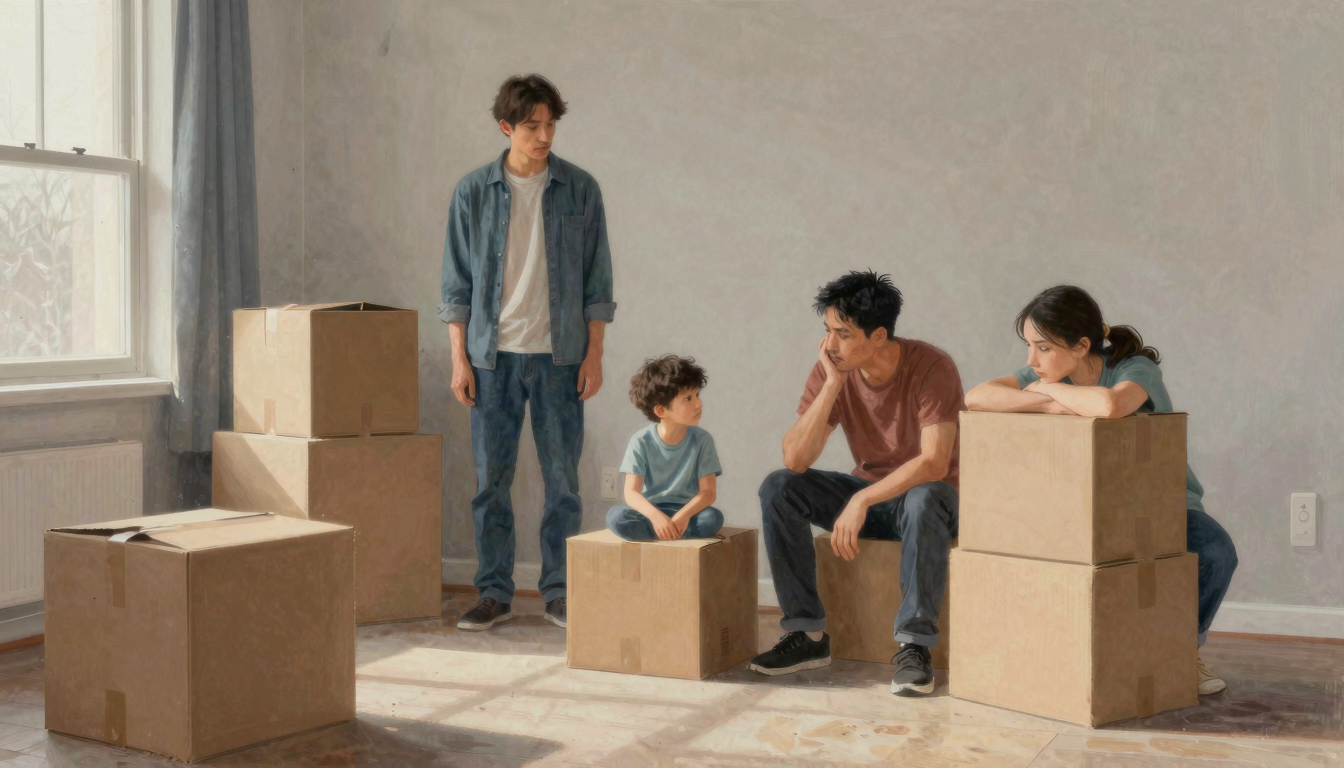
After ten years in our old apartment, our family of three was finally moving. We began sorting our belongings in the spirit of danshari, hoping to clear away what we no longer needed, but the task only grew more complicated. An old book, a piece of stationery, or a letter could release a chain of stories and pull us back through time. Old clothes, neatly folded in the wardrobe, were easier: we packed them and sent them to a recycling station. Fortunately, we were in no hurry to sell the apartment. At first, we moved only the essentials and left scattered belongings behind to sort out gradually. In ordinary life, people tend to keep anything that might still be useful; during a move, anything that could be discarded usually is. A good home cannot endure too many moves unchanged. Our rule when shopping was simple: add nothing unless it is needed. Even so, deciding what to do with the things already in the house remained difficult. More than a decade ago, before we knew the idea of danshari, moving simply left us wondering what to keep and what to throw away.
The term danshari came from Hideko Yamashita’s book of the same name. Its three parts describe refusing things one does not need, clearing away useless objects that have accumulated, and releasing one’s attachment to material possessions. The aim is to remove excess, create a simple and comfortable living space, and arrive at a lighter state of mind. During university, I visited Japan. Before going, I had heard that throwing things away there was far from simple: what could be discarded and how it should be handled were governed by careful procedures. What I saw confirmed it. Every household’s discarded items were sorted and wrapped with striking neatness. Even letting go seemed orderly and almost ceremonial.
Leaving our old apartment required a great deal of work. We used large cardboard boxes, woven sacks, plastic bags—almost anything capable of holding our belongings. In the film Us and Them, a moving scene is resolved with a truckload of boxes and sacks, making the process look almost easy. But that is the compression of cinema: the haste and hesitation of an actual move are left outside the frame. On my way home after watching the film, I passed a moving-company truck in the heavy midday heat. Suddenly, the people doing this work seemed like an indispensable part of the city.
Our new home was near my school, which made getting to class much easier, but at first I struggled to adjust. I had left familiar surroundings and familiar neighbors and had to begin again in a place that felt strange. Although we had moved only within the same urban area, I had the illusion of having left my hometown behind. At the time, I believed that after graduating from middle school, I might still move back to the old apartment.
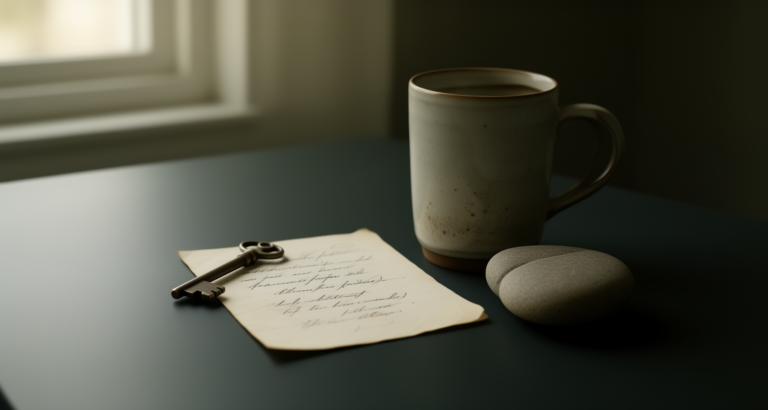
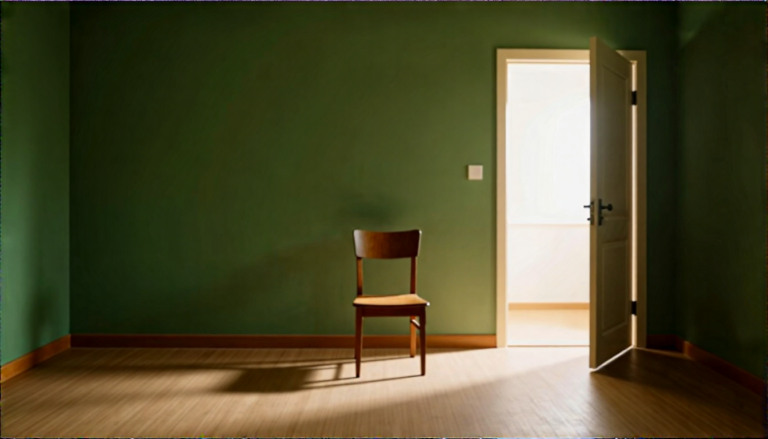
For about six months after the move, I often carried the key with me and rode my bicycle back specifically to visit. Opening the iron door, I was struck first by the emptiness. Three pictures had once hung on the wall by the entrance, apparently depicting landscapes, fish, insects, or similar subjects. One showed an ink-wash shrimp, though I can no longer remember whether it was a lobster or a river shrimp. Once the pictures were removed, the nails stood out sharply. A quartz clock had hung on the south wall, powered for about a year by a single AA battery. The living room had served not only for receiving guests but also for meals. A square table about waist-high stood beside the sofa, and when we cooked more than we could finish, we covered the leftovers with a food cover that kept mosquitoes away during the height of summer. Now the furnishings were gone. Only three tightly sealed boxes remained in a corner of the living room. The bedroom was bare, the white walls were mottled, and the ceiling fan hung overhead alone.
The kitchen had been converted from a balcony. Its old stove was stained with grease and smoke, and many of the tiles had been scorched black. Before we had a gas stove, the family cooked on a coal-briquette stove, burning at least two briquettes a day. When the fumes grew heavy, they could choke the air all the way into the living room. There was no range hood, so a sliding window had been installed on the balcony and had to be opened whenever someone cooked. In the fierce summer heat, my mother stood over the stove until she was drenched in sweat. In winter, cold air poured through the window, and even keeping the finished dishes warm became another struggle.
The old apartment measured less than seventy square meters. The living room was dim and confined, the kitchen offered little space, and my bedroom also served as the study. It is difficult now to imagine three people living in such an old place for ten years. Yet my childhood there never felt miserable, and I never thought to compare the grandeur of my room or the size of our home with those of my friends. I remember coming home and stepping through the door with my schoolbag still on my back. My father would change his shoes in the entryway. Several dishes would be waiting on the table, and my mother, still wearing her apron, would emerge from the kitchen carrying bowls and chopsticks. There was nothing remarkable about the apartment itself. What made it special was the decade of ordinary life that the three of us shared there.
Borges wrote that a house is not really as large as it appears; shadows, symmetry, mirrors, the passage of many years, unfamiliarity, and solitude are what enlarge it. Yet a house is not necessarily as small as it seems, because memory fills it.
Frequently asked questions
Why was sorting possessions before the move so difficult?
Books, stationery, letters, and other ordinary belongings could release chains of stories, making the decision to keep or discard them emotionally complicated.
What does danshari mean in the article?
It describes refusing things one does not need, clearing away accumulated useless objects, and releasing attachment to material possessions in pursuit of a simpler space and lighter state of mind.
Did moving closer to school make the transition easy?
It made getting to class easier, but the narrator initially struggled with unfamiliar surroundings and missed the old neighbors and home, despite moving only within the same urban area.
Why was the old apartment special to the family?
The apartment itself was small, old, and constrained, but its meaning came from the decade of ordinary life shared there by the three family members.