Summary
An initial bargain can lead to another purchase, while lucky draws, unfinished collections and friends’ rewards add their own pull. Four portraits drawn from the author’s friends explore how paying becomes part of playing.
At a glance
The article’s four illustrative player portraits connect first purchases with bad luck, nearly completed collections, relief from grinding and comparison with friends. It explains continued spending through small initial commitments, occasional random rewards, affection for a game and past investment. Spending may become habitual or addictive, but escalation is not inevitable, payment does not reliably improve luck, and paid enjoyment remains conditional on affordability.
Why We Willingly Spend Money in Virtual Worlds: Four Portraits of Paying Players
“I swear I’m never spending money on this game.”
That was what I told a friend when I downloaded a mobile game. For six months, I kept my word, diligently grinding for everything I wanted.
Then an event came along, and I gave in to a ¥1 bundle. During another event, I bought a ¥16 “limited-time value bundle.” A few events later, I—the self-proclaimed champion of lucky draws—was just short of collecting every reward. I gritted my teeth and bought the ¥68 deluxe monthly pass.
It felt fantastic. I was only halfway up the mountain, yet I already felt as though I could look down on the whole world. But as time passed, I noticed something: I was putting in more money and spending less time agonizing over each purchase.
What had made me start? And why did spending once feel so good that I wanted to keep doing it?
How paying became part of playing
Chinese players call in-game spending kejin. The term developed from an older expression with the same pronunciation but a different first character, referring to an amount of tax. The Ming-dynasty writer Shen Defu used that earlier expression in the “Official Seals and Branch Offices” section of his Ye Huo Bian: “Because Lianghuai’s tax revenue was the highest in the realm, the office received particular distinction, and men of the highest ability and character were selected to hold it.”
In the term’s history as recounted here, it traveled to Japan, where it was pronounced kakin and meant charging a fee and, by extension, payment. Chinese players of Japanese-style mobile games then borrowed it to describe adding money to a game.
Today, almost every Chinese mobile-game player uses the expression. These games tend to share a recognizable arrangement: playing is free, having a better experience may cost money, and having an exceptionally satisfying experience requires spending a great deal.
How common is paying? Figures cited for 2019 put the share of Chinese mobile-game players who said they would not spend money on mobile games at only about 15%. Separate figures cited for actual mobile-game sales revenue show annual growth from 2015 through 2019, rising from ¥10.5 billion to ¥40.2 billion. If you have started spending, you have plenty of company.
Four ways to make that first purchase
At some risk of getting swatted for asking, I interviewed several friends with different approaches to gaming. Their answers offered four recognizable portraits.
The player whose luck never improves
Some players seem to get terrible results whenever they draw for cards or other random rewards. One friend put it this way:
“Sure, lucky rituals won’t save you, and spending won’t change your fate. But can you believe anyone could be as unlucky as I am? Without the guaranteed-reward system, I wouldn’t get anywhere. Paying might not change things, but refusing to pay definitely won’t. If I don’t pay, there’s no hope.”
Research cited on this subject suggests that most players choose to spend a little when their luck is bad. Everyone has unlucky stretches, and those are precisely the moments when the urge to pay can become difficult to resist.
The lucky player who is almost finished
Excellent luck does not put an end to wanting things.
“Even when my draws are lucky, there’s still plenty of equipment and materials I want. I’ve already won at drawing cards—shouldn’t I do something else now? Besides, bragging about your luck all the time is asking to get struck by lightning. Being just a little short of finishing an event feels awful. That’s when you have to push through!”
For these players, bad luck may be temporary. Still, being so close to having everything can feel every bit as frustrating as getting almost nothing. Who wouldn’t enjoy seeing all the cards, equipment, and achievements neatly complete?
The grinder who insists small purchases do not count
Then there are players who take pride in earning everything through effort, without paying. Their definition of “paying” can become surprisingly flexible.
“A ¥1 bundle doesn’t count. A monthly pass works out to about ¥1 a day—how is that spending? It’s not like I impulsively dropped ¥648. And how am I supposed to keep grinding if I don’t buy a little stamina?”
I remember how proud one friend used to be of his completely free-to-play status. To him, getting everything through sheer effort proved that he truly loved the game.
But grinding takes time and energy. If a cheap bundle makes it easier, the purchase can look like a bargain from every angle. He resented his own “fall from grace,” yet the benefits were too appealing to resist. Little by little, he became a monthly-pass buyer.
The casual player whose friends have wonderful things
Some players usually take things as they come. They neither grind particularly hard nor spend much, but their friends can weaken that resolve.
“I don’t grind, but my friends grind and spend. When someone shows you beautiful card artwork and all those items, you want them too. And when they pay, make one draw, and get the thing I’ve been dreaming of? I can get carried away spending in no time.”
Casual does not mean permanently indifferent. These players can become dedicated grinders or big spenders at any moment. Sometimes nothing happening around them can disturb their calm. Other times, one conversation and a quick comparison are enough to send them rushing in.
These are different routes to the same purchase. Buying something in a game can itself stimulate dopamine release, bringing pleasure, excitement, and a sense of reward.
Whether you are unlucky, exceptionally lucky, devoted to grinding, or usually laid-back—and whether you buy draws, skins, or equipment—the first purchase can become the start of a habit. It may even develop into an addiction.
Why the next purchase gets easier
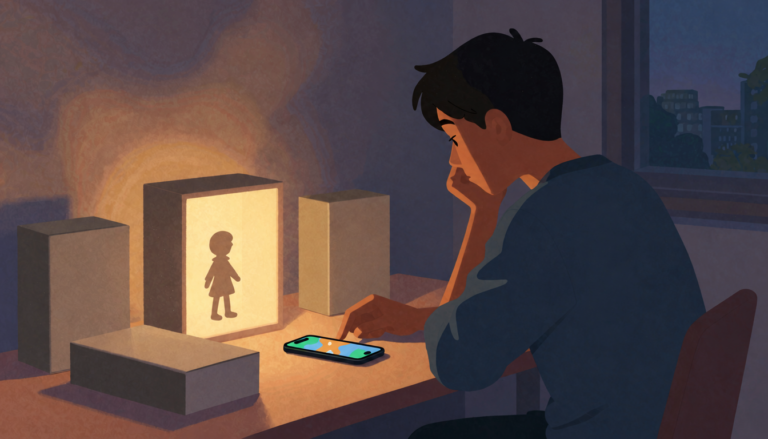
Looking back, I remember how exhausted I was when I first paid. I had played until I was worn out, and suddenly the “first purchase: ¥1” icon on the home screen looked extraordinarily bright and inviting. Such a tiny payment would buy such useful benefits. I paid without feeling burdened at all.
It’s only ¥1, I told myself. I’m not going to start buying bundles after this.
Then came the ¥16 bundle and the ¥68 monthly pass, both of which still struck me as excellent value.
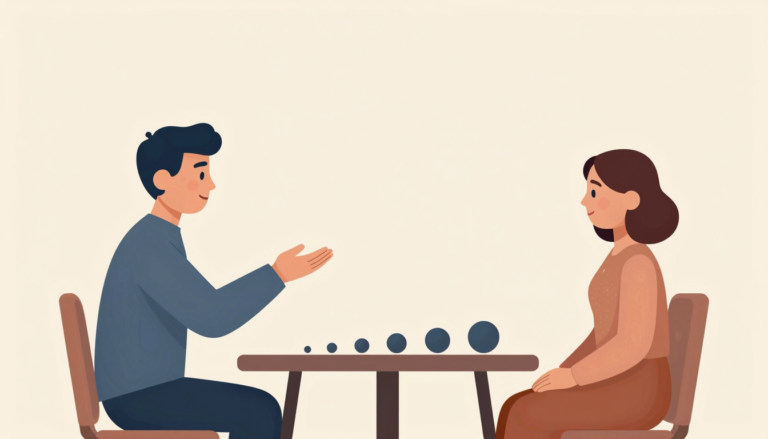
This is where the foot-in-the-door effect enters the picture. After agreeing to a small request, people become more likely to accept a larger, less comfortable one because they want their behavior to remain consistent. The first payment is cheap, and the later ones cost more—but hey, I’ve already paid once. Might as well keep going!
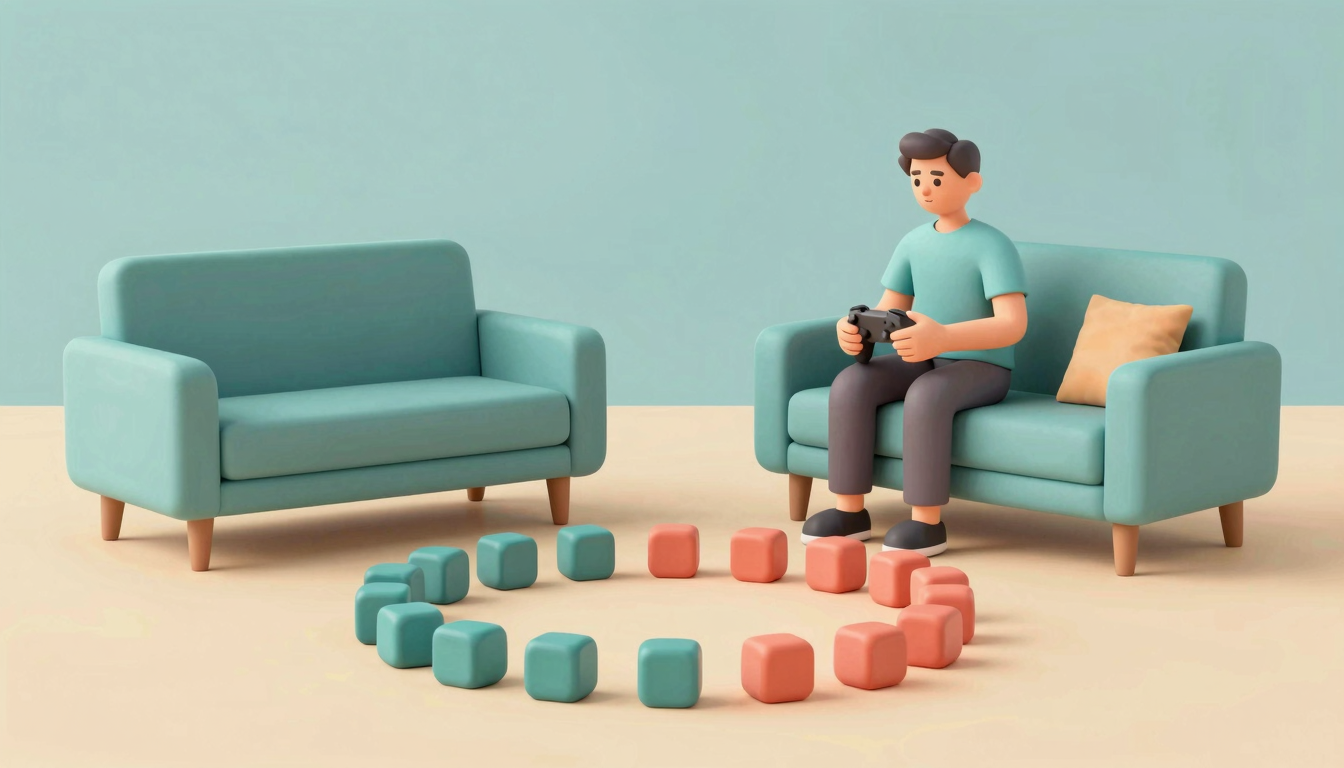
Random rewards add another reason to return. Alongside purchases of items and materials, there will occasionally be a draw where spending seems to turn bad luck around. These chance successes reinforce the spending. When we feel powerless against another unlucky streak, we begin hoping that paying will somehow fix it.
And all those times when paying changed absolutely nothing?
Sorry. I seem to have forgotten those.
When affection—and past investment—keep us paying
For a modest spender like me, even being unable to stop might mean a monthly expense resembling one more automatically renewing music or video subscription. But what about heavy spenders? Sustained spending of large amounts calls for stronger motivation.
Not everyone thinks large purchases offer good value. But when you love a game, affection can give every purchase an extra glow. The more you like the game, the more worthwhile the purchases feel, and the more you spend. What began as a few small purchases can gradually become substantial spending.
Then the affection fades. The fan’s glow disappears, and we see the company treating players as walking wallets, ready for another fleecing. How can we furiously curse the game’s damn designers one moment and willingly hand over more money the next?
The sunk-cost effect offers an explanation. Psychologists have found that people are more inclined to continue investing in something once they have already committed time, money, or effort than when they have invested nothing.
The reasoning is familiar: some parts of this game disappoint me, but I’ve already put so much money and time into it. If I quit now, won’t all of that have been for nothing?
To avoid “wasting” what we have already spent, and to honor our previous efforts, we invest still more, hoping for a future payoff.
The point is to enjoy the game
From secretly buying Q coins, a form of virtual currency, as a child to checking my balance today and deciding whether to charge ahead with another purchase, the pleasure of buying things in games has never disappeared.
When your budget allows it, there is nothing wrong with paying for something you want and enjoying it. Yet a survey cited in this discussion suggests that the heaviest spenders are often young people and students with limited incomes, rather than people from wealthy families.
Online retailers no longer have a monopoly on holiday promotions that tempt us to open our wallets. Games have their own endless assortment of events. Before paying, consider what you can actually afford. Otherwise, the pleasure of buying can be followed by a nightmare of buy-now-pay-later bills.
Money also creates friction between players. A free-to-play grinder may feel aggrieved when a big spender instantly catches up with progress that took painstaking effort. Meanwhile, someone pouring money into the game may sneer at players who pay nothing.
However much these groups look down on each other, they tend to unite in sympathy for one especially unfortunate group: people who paid a little and still got none of the rewards they wanted. Their spending did nothing to change their luck.
Paying without getting the desired draw can easily drive someone to quit. It is even worse when someone appears to announce, “Oh, I just made a random draw and got an SSR!”
Chinese gaming slang calls these people “seals”: they usually lurk underwater, then surface only to show off, making delighted noises about how lucky they are. The nickname plays on their habit of emerging just to bask in their good fortune.
Still, paying and playing for free are simply different strategies. You can choose to spend, or choose not to participate in the paid side. When browsing game discussions, reading a useful guide can be much more satisfying than endlessly comparing what you have with everyone else.
We play games to have fun. That does not require grinding yourself into exhaustion or pouring money into purchases. You can also be a perfectly happy casual player.
Frequently asked questions
Why can a small first purchase lead to more in-game spending?
The article applies the foot-in-the-door effect: accepting a small purchase can make larger purchases easier to accept through a desire for consistency. Occasional rewarding draws can reinforce spending, although continued spending is not inevitable.
Does paying improve the luck of a random draw?
Payment does not reliably improve random outcomes. The article describes successful paid draws as chance events and includes players who spend without receiving the rewards they want.
How can sunk costs keep someone paying for a disappointing game?
Past commitments of money, time and effort can encourage further investment because quitting feels as though those commitments would be wasted. The article describes continued spending as a way of hoping for a future payoff.
Does enjoying a game require spending money?
The article presents paying and playing for free as different strategies. Paid enjoyment is conditional on affordability, and relaxed casual play can also be enjoyable without exhausting grinding or purchases.