Summary
A small keepsake can carry a travel story while raising doubts about price and usefulness. Explore the tension between preserving memories and feeling obliged to buy.
At a glance
Souvenirs can anchor travel memories, offer nostalgic comfort, and carry personal experiences. For some college students, these emotional attractions compete with concerns about price, usefulness, and regret. Recognizing what attracts you and setting a spending limit can help keep a purchase pleasurable, while returning without a souvenir need not make a trip incomplete.
In Focus: Why College Students Feel Compelled to Bring Souvenirs Home
The Urge to Bring Something Home from Every Trip
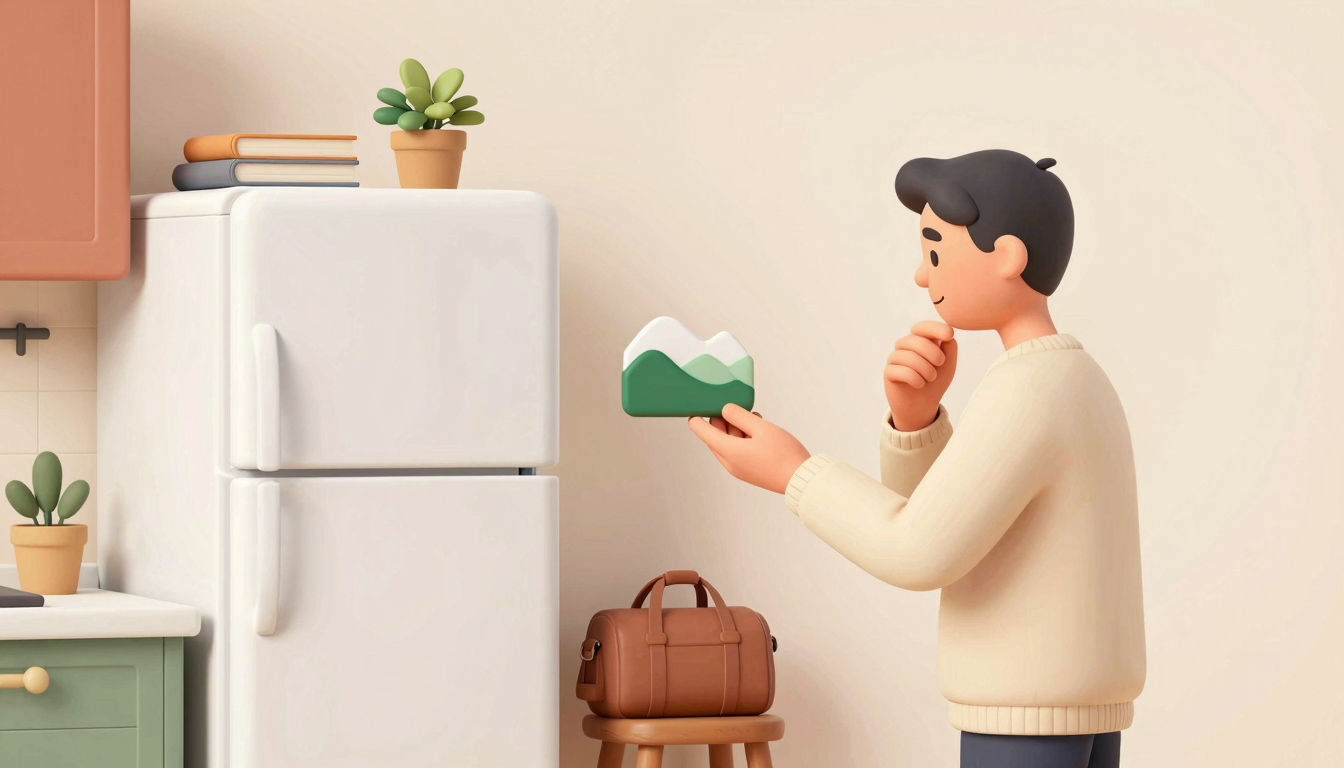
However reluctant we are to see it end, the October National Day holiday has come to a close. For many college students, the crisp autumn weather has offered a chance to travel with friends or family. Alongside the scenery saved in our phone galleries, we may have brought home something tangible: a refrigerator magnet, a badge featuring local culture, or a city-themed bookmark.
Visiting a city and choosing a small object that represents it has become a travel ritual for many of us. Yet standing at a souvenir counter can bring conflicting thoughts. A beautifully designed keepsake seems like a way to hold on to the trip, but will we actually use it? What if we buy it on impulse and regret it once we get home? Understanding why we can want something and hesitate over it at the same time begins with the meaning these objects carry.
Why Do We Want to Bring Souvenirs Home?
1. The Comfort of Nostalgia
One explanation is the emotional comfort that nostalgia can provide. Psychological research describes nostalgia as a bittersweet, predominantly positive emotion connected to our sense of self. Physical objects can serve as “memory anchors,” giving fleeting travel experiences a lasting point of connection.
The ease of a holiday and the pleasure of traveling with friends are temporary. When a lively trip ends and demanding campus life resumes, we may feel a sense of loss, as though those good experiences are slipping away. A refrigerator magnet can hold an association with that holiday ease. Seeing it again can bring vivid moments back to mind, soften the contrast between traveling and studying, and help us manage our emotions.
2. Emotional Appeal Meets Practical Judgment
Another explanation lies in the competing ways we evaluate a purchase. A study involving college students found that the same culturally themed product could prompt both positive and negative evaluations. Emotionally, its regional culture and design appeal to us, along with the chance to preserve a travel story of our own. Practically, we weigh its price and usefulness and worry that it will sit unused. These judgments can pull in different directions, leaving us caught between liking an object and being unable to decide whether to buy it.
3. Objects That Carry Our Experiences
Object attachment theory offers a further explanation: people form emotional bonds with things that carry their personal experiences. A souvenir can therefore be more than a product. It becomes a physical reminder of a part of our lives, representing where we have been and what we have experienced. Such objects can help us organize our personal histories and maintain a sense of continuity in who we are. This helps explain why a small keepsake can delight us enough to buy it even when we know it has little practical use.
Wanting to preserve memories is understandable. The difficulty arises when that wish becomes a burden. A familiar Chinese expression, “We’ve come all this way,” captures the pressure: even when a souvenir costs far more than expected, we may reluctantly pay because we are already there. Buying something starts to feel like a condition of completing the trip, as though coming home without a keepsake would make the experience imperfect.
That pressure deserves a closer look when the item is overpriced, mass-produced merchandise, much like countless other products except for the city name printed on it. Such goods do not justify an impulsive purchase simply because we feel obliged to bring something home.
A few practical approaches can help us decide whether a souvenir is worth buying.
1. Recognize the Conflict and Separate Needs from Wants
When you feel torn over a souvenir, pause and ask what is attracting you. Does its culture or design truly move you? Or is it fairly unremarkable, but popular online? Being honest about your motives helps you decide what you are paying for: the emotional value it offers or the value you get for your money.
2. Set Spending Boundaries and Keep to Your Budget
Give yourself a simple boundary, such as a souvenir spending limit for each trip. A keepsake can be a gift to yourself for the pleasure it brings; it need not become another task to complete. If your travel budget is limited, an inexpensive postcard or a saved admission-ticket stub can also carry memories. Keeping a physical reminder does not always require a separate purchase. Photographs and written accounts can preserve how the journey felt, too.
3. Make Room for an “Imperfect” Trip
The most precious parts of traveling are what you see and experience along the way, the time spent with friends and family, and the chance to relax. The number of objects you bring home does not prove how fully you traveled. There is no need to treat a trip as lacking because you did not buy a souvenir. Letting go of the obligation to bring one home can leave you freer to appreciate the scenery and what the journey means to you.
Closing Thoughts
Refrigerator magnets, keychains, and other keepsakes can carry reminders of a trip, but the memories themselves live in our minds. By giving our attention to the experience and making considered spending choices, we can let souvenirs remain small sources of pleasure without turning them into psychological burdens.
Frequently asked questions
Why can a souvenir matter even if it has little practical use?
A souvenir can carry personal experiences and become a physical reminder of places visited. Its emotional value can explain why someone enjoys it despite limited practical usefulness.
How can students decide whether to buy a souvenir?
Pause to consider whether its culture and design appeal to you or whether online popularity is driving the attraction. Weigh its emotional value, price, and usefulness, and keep to a souvenir spending limit for the trip.
Does returning without a souvenir make a trip incomplete?
There is no need to treat a trip as lacking because you did not buy a souvenir. Photographs and written accounts can preserve how the journey felt, too.