Summary
At secondhand stalls, worn furniture and pottery invite reflection on ordinary lives. The writer considers their emotional significance alongside the space that letting go can leave for present life.
At a glance
The writer suggests keeping possessions that recall a warm period of life while releasing those that have become unnecessary burdens. Their significance may exceed their price or usefulness, but many memories need not depend on keeping the associated objects nearby. What stays and what goes remains a personal choice; letting a possession go does not mean rejecting the past.
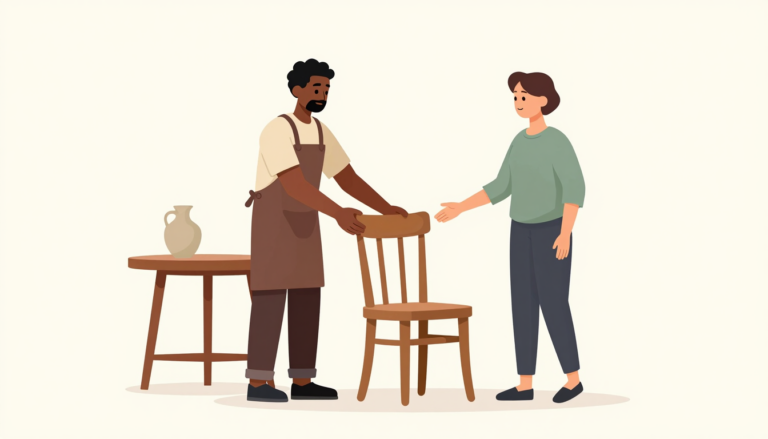
The writer describes a habit of lingering at secondhand market stalls, drawn to yellowed books with curling edges, old wooden cabinets with finishes worn to a shine, and coarse pottery marked by use. These things have lost their freshness, and their prices are low. Yet shoppers still examine them carefully, choosing something to take home and begin another stretch of daily companionship.
Watching old possessions change hands has gradually changed the writer’s sense of their value. It is easy to judge an object by its price, or to assume that age and diminishing usefulness make it ready to throw away. But its deepest appeal may lie in the fragments of ordinary life associated with it—something its resale value cannot capture.
Faint notes in the margins of an old book lead the writer to imagine a previous owner reading under a lamp, pausing at a passage to jot down a thought. How long ago that might have been is unknown. The handwriting remains, inviting a glimpse of the person who left it.
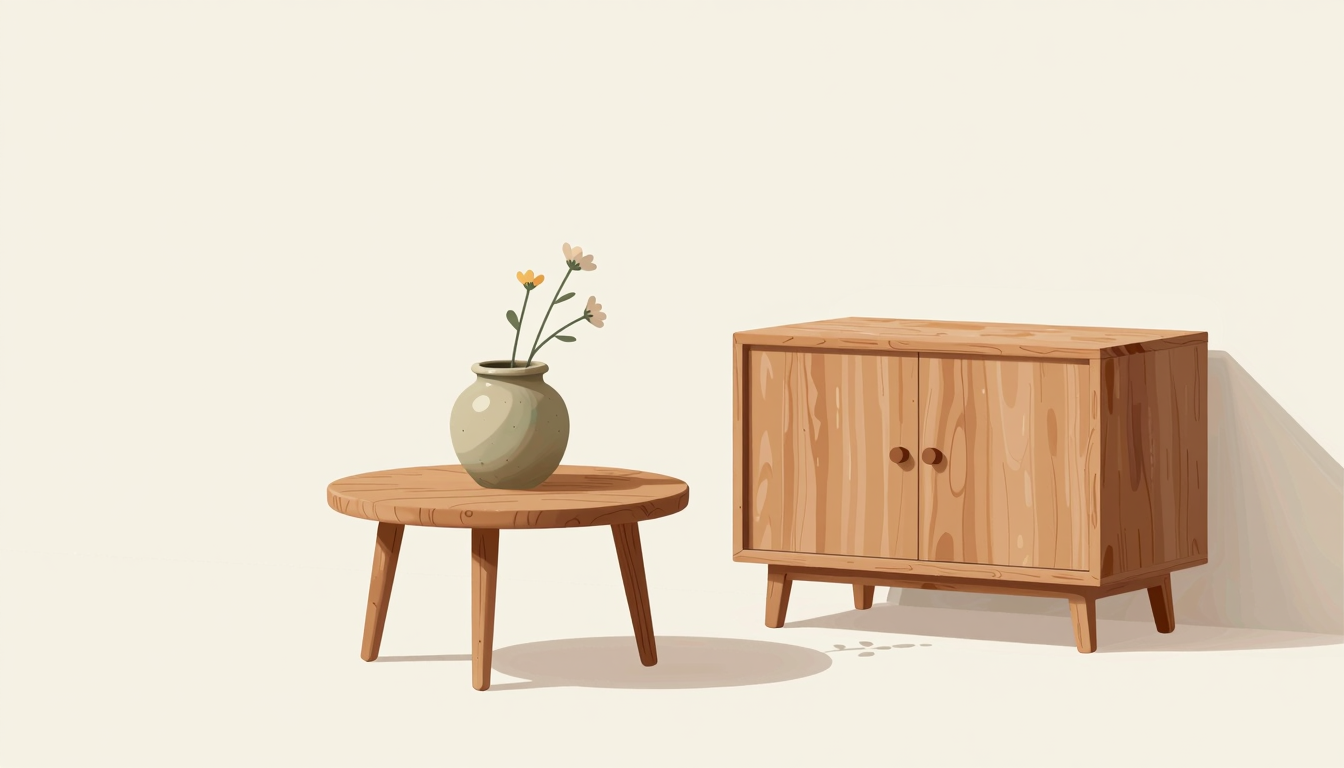
Shallow heat marks on an old wooden table suggest another possible scene: a family gathered for a meal, a cup of hot water accidentally leaving its mark on the surface. An unassuming pottery jar might once have stored mixed grains or held a few wildflowers picked from the courtyard, quietly accompanying a household through its mornings and evenings.
In this view, a change of ownership need not extinguish an object’s earlier stories. A buyer may be drawn more to the warmth of age and use than to practical usefulness. Old belongings become quiet carriers of ordinary lives, allowing something of those small, everyday moments to travel onward.
Yet cherishing old possessions does not mean keeping every one. The writer also describes homes where belongings pile up in corners because people cannot bear to throw them away, gathering dust for years. Things once treasured for their memories can gradually become burdens, taking up living space and leaving less room for life in the present.
Deciding what to keep and what to release is, for the writer, the hardest part of living with old possessions. Some things deserve a place simply because seeing them brings back a warm period of life. Their monetary value has little to do with that. But many memories already live within us; the objects associated with them need not stay close forever. Letting a possession go does not mean rejecting the past. Physical things need not carry the whole responsibility for remembering.
Underlying these choices is the conviction that possessions should serve us rather than constrain us. Constantly chasing new products can leave us driven by consumption. Refusing to release anything old can also bind us, keeping us immersed in the past and unable to let go.
Objects age and wear down; eventually, they cease to be used. But the joys, sorrows and ordinary household life they witnessed need not disappear with them. An object’s useful life can end without taking those experiences away.
We need not try to hold on to the whole past through our belongings. We can cherish the warmth worth keeping and find the courage to release what has become an unnecessary burden. What stays and what goes remains a personal choice, a way of seeking a comfortable relationship between the things around us and the life within.
Frequently asked questions
Does letting go of an old possession mean rejecting the past?
The writer argues that letting a possession go does not mean rejecting the past. Many memories already live within us, although some objects remain worth keeping because they recall a warm period of life.
Are the objects’ earlier household stories documented?
The earlier household scenes are imagined possibilities. The time of the book’s annotation is unknown, the family meal is a possible explanation for the table’s marks, and the jar’s suggested uses are alternatives.
Why might an old object matter beyond its resale value?
For the writer, an old object’s appeal may lie in the ordinary life associated with it. A buyer may value the warmth of age and use more than practical usefulness, though this does not establish every buyer’s motives.