Summary
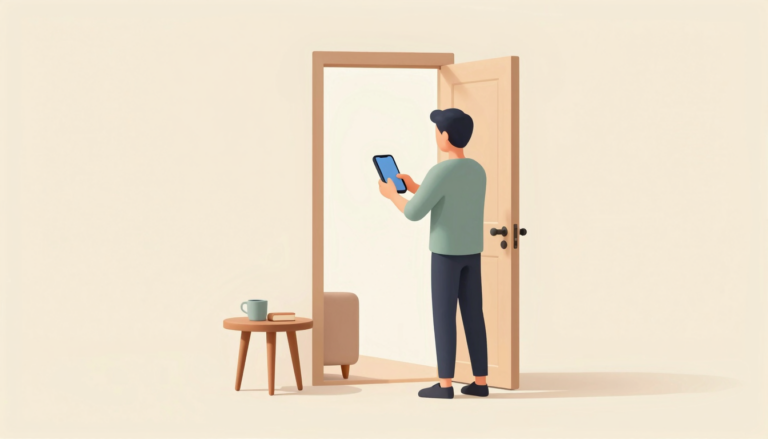
Reaching for a phone can feel automatic when the alarm sounds. This account proposes easing into the morning through quiet rest, stretching and natural light, with optional journaling or gentle movement.
At a glance
The author suggests that checking your phone immediately after waking may interfere with the transition into wakefulness, affecting concentration and emotional balance. The proposed alternative begins with quiet rest and mindful breathing or dream recall, followed by gentle stretching and natural light. Journaling and light movement are optional additions when time permits.
Could the first thing you do after waking quietly make it harder to think clearly?
When the alarm sounds, many people reach for their phones to check messages, scroll through social media, or read email. It feels harmless—a habit so familiar that it has become the default way to start the day in a digital world. Drawing on neuroscience and psychology research, the author of this account of morning phone use suggests that this reflex may interfere with the brain’s transition into wakefulness.
That transition includes sleep inertia: the groggy, almost hungover feeling after waking, when cognitive control, decision-making, and emotional regulation have yet to fully resume. The concern is what happens when a phone feed enters this unsettled period.
The prefrontal cortex serves as the brain’s “command center” for planning, making decisions, and directing attention. The author proposes that forcing the mind into activity through immediate morning stimulation bypasses this region’s normal “startup” and directly activates the limbic system, described as an emotional center. In this account, the disruption goes beyond ordinary waking grogginess, leaving the prefrontal cortex functioning below its best throughout the day.
Fragmented feeds add another demand. Moving rapidly and repeatedly between bits of information, the author argues, weakens the ability to sustain deep concentration. The author also reports research indicating that this habit reduces gray matter density, particularly in brain regions associated with cognitive control and emotional regulation.
What appears in the feed matters, too. In the author’s explanation, encountering social comparison on social media or negative news immediately after waking activates the amygdala, described as the brain’s “fear center.” This triggers a stress response and causes cortisol, a stress hormone, to rise prematurely.
There is no need for excessive alarm. The author suggests noticing several everyday experiences as possible signs that the habit may be affecting you. Even an hour after getting up, you might still feel mentally muddled and struggle to begin work that requires deep thought. The day may already feel overwhelming, leaving you unsure which tasks to prioritize. Small morning frustrations might provoke an outsized reaction, with emotions harder to regulate. Decisions may take unusual effort early in the day. Or you may feel busy taking in information while finding that you are thinking and working inefficiently.
Beyond these immediate difficulties, the author attributes broader, longer-term harms to habitual phone use. One claim is that morning exposure to blue light suppresses melatonin, disrupting the sleep–wake cycle and circadian rhythm. Separately, the author reports research finding a higher proportion of anxiety and depression symptoms among people who begin their day by passively consuming information.
Creativity receives particular emphasis. The author describes early morning as the period when the brain’s default mode network is most active, a state considered crucial to generating creative ideas. In this explanation, taking in external information immediately after waking interrupts that natural process and reduces creativity.
The proposed response is an intentional morning “startup” ritual, framed by the author as a scientifically informed way to work with the natural transition from sleep to wakefulness. Sleep inertia usually lasts 15–60 minutes, the author says, offering an interval in which to ease gently into the day.
The suggested sequence begins before you get out of bed. Remain lying down for a moment, practicing simple mindful breathing or recalling your dreams. Then spend 5–10 minutes stretching gently. In the author’s explanation, stretching activates proprioception—the sense of your body’s position and movement—and signals to the brain that the body is ready.
Finally, open the curtains to let natural light reach your eyes. The author describes this as helping regulate circadian rhythm, gently suppressing melatonin, and encouraging the natural release of cortisol.
If time permits, add a brief morning journal using pen and paper to record your thoughts or the day’s priorities. You could also spend a few minutes on low-intensity aerobic activity, such as slow walking or easy calisthenics, which the author describes as increasing blood flow to the brain.
Even a short interval matters in this proposal: the author maintains that 10 phone-free minutes in the morning can substantially improve cognitive performance and the day’s emotional tone. The underlying view is that morning choices set the day’s cognitive tone, with a calm start laying a strong neural foundation for concentration, creativity, and emotional stability throughout the day.
Try leaving your phone outside the bedroom starting tomorrow morning. Give yourself a few quiet moments to welcome the day at a natural pace, and see whether that small change helps you feel clearer and more composed.
Frequently asked questions
What morning routine does the author propose?
Begin by lying quietly for a moment with mindful breathing or dream recall. Follow with 5–10 minutes of gentle stretching, then open the curtains for natural light. If time permits, add handwritten journaling or a few minutes of low-intensity aerobic activity.
How long does sleep inertia usually last in this account?
The author says sleep inertia usually lasts 15–60 minutes and proposes using that interval to ease gently into wakefulness.