Summary
Facing patient aggression in an overcrowded hospital can leave healthcare workers overwhelmed. This guidance combines physical self-protection and firm, empathetic communication with recognition of personal limits and everyday contributions.
At a glance
For frontline healthcare workers in epidemic areas, the guidance puts self-protection first, followed by calm communication, clear boundaries and appropriate empathy. If being attacked leaves you overwhelmed, it recommends avoiding self-blame, recognizing your contributions and allowing appropriate emotional expression when an opportunity exists. The authors hope these suggestions may prevent emotional deterioration, while acknowledging that they may not make workers feel better or relieve their pressure.
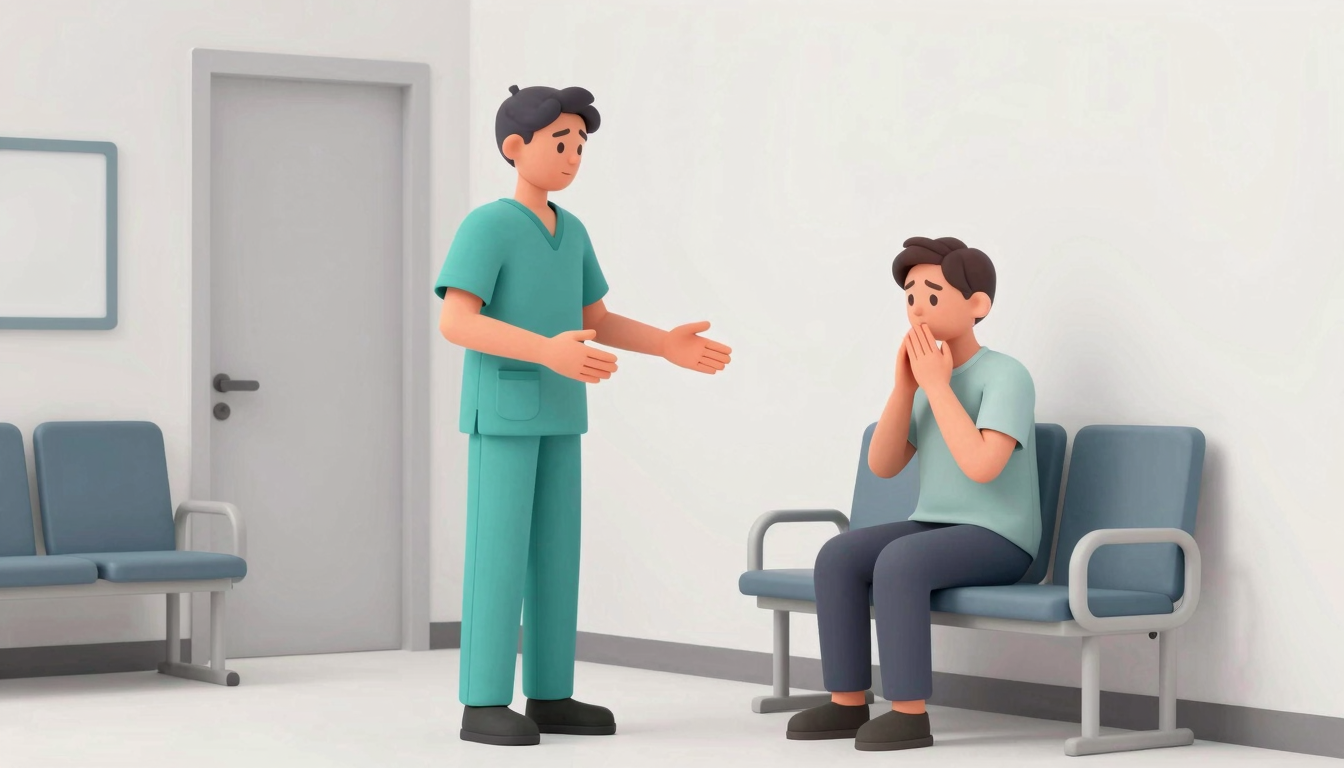
If you have come to an epidemic area to work on the healthcare front lines, you may encounter aggressive words or behavior from patients. Protecting yourself comes first. In an overcrowded hospital, keep a safe distance from emotionally agitated patients to reduce the risk of injury.
During an encounter, keep your manner and movements gentle. A calm, respectful, confident and supportive bearing, together with a measured but firm tone, can make communication easier. Set clear boundaries: avoid introducing additional topics or giving open-ended replies, and use firm, definite statements. For example, you might say, “We are doing everything we can to arrange your care,” or, “Please remain calm and do not disrupt medical care.”
Those boundaries can leave room for appropriate empathy, which may ease some of a patient’s distress. Depending on the circumstances, you might say, “I feel the same urgency you do, and I really want to get everything arranged as quickly as possible.” You could acknowledge a long wait: “I know you’ve been waiting a long time. We’re still doing all we can, and we ask for your understanding.” If you have also gone a long time without rest, you might say, “Like you, we haven’t had a chance to rest in a long time.”
If being attacked leaves you agitated or so overwhelmed that you break down, try not to blame yourself. You might remind yourself: “I have already done a great deal, and I have done my best. I am neither God nor a savior. I am an ordinary person with medical training, and there are limits to what I can do.”
Give yourself credit for the concrete work behind that effort: “Every test kit I handle, every patient I receive, every protective face shield and mask I remove, every protective suit I take off, and every drop of sweat have value and meaning.”
Allow yourself an appropriate outlet for distress as well. The authors of this guidance favor emotional expression over suppression. In their explanation, bottling up feelings creates a burden far greater than the feelings themselves—a burden they describe figuratively as “negative energy.” If you have the opportunity, they suggest finding a small space where you can cry or shout briefly, rather than keeping everything bottled up.
The authors acknowledge that these suggestions may not make you feel better or more comfortable, and that they cannot shoulder the overwhelming pressure you face in your place. Their hope is that the guidance may at least help fellow healthcare workers keep their emotional state from worsening when their reserves reach a crisis point.
Frequently asked questions
What comes first when a patient becomes emotionally agitated?
Protecting yourself comes first. In an overcrowded hospital, the guidance recommends keeping a safe distance from emotionally agitated patients to reduce the risk of injury.
How can empathy fit alongside clear boundaries?
Appropriate empathy may ease some of a patient’s distress while boundaries remain clear. Depending on the circumstances, suggested responses acknowledge urgency, a long wait or a shared lack of rest.
What if being attacked leaves a healthcare worker emotionally overwhelmed?
The guidance recommends avoiding self-blame, recognizing the value of concrete contributions and allowing appropriate emotional expression when an opportunity exists. Its authors acknowledge that these suggestions may not make workers feel better; they hope only to help prevent their emotional state from worsening.