Summary
From uncomfortable heat to overwhelming environmental information, a climate research student considers how distress develops and why achievable contributions may help people feel more grounded.
At a glance
A doctoral student researching climate change describes climate anxiety as persistent fear, guilt, and sadness about environmental deterioration. In the writer’s account, physical discomfort and awareness of vast, uncertain threats can contribute to distress. The writer recommends achievable changes and contributions to others as ways that may rebuild a sense of control and capability.
“How can it be this hot?” The frustration comes from a doctoral student researching climate change, whose irritation with the heat leads to a recurring thought: extreme weather and a changing climate must be altering more than the face of the blue planet we inhabit. The writer believes those changes also reach into our inner lives, sometimes without our noticing. How, then, does climate change affect us psychologically?
Climate anxiety is one way into that question. What does it feel like, and who experiences it? The writer begins with a difficulty in perception: people gradually adapt to the climate where they have lived for a long time, and many find it hard to notice the effects of climate change over short periods. Difficulty noticing those effects does not mean they are absent.
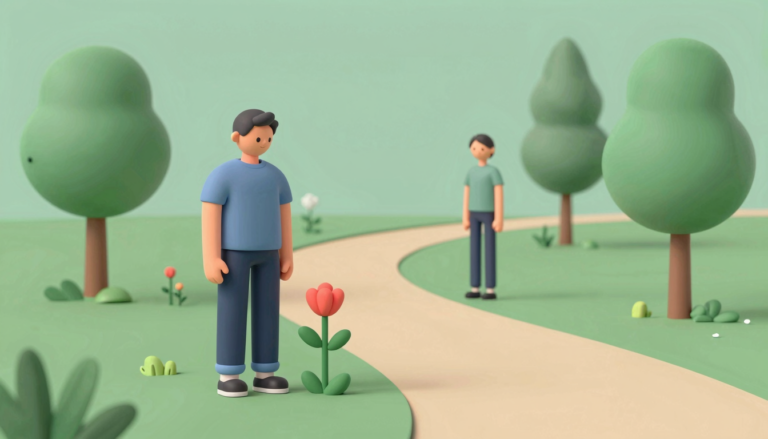
The account describes many adolescents and young adults living with persistent fear, guilt, and sadness about environmental deterioration caused by climate change. This is the distress the writer calls climate anxiety. It can feel unbearable because the problem is too vast and complex for any one person to solve. That gap between the scale of the problem and an individual’s ability to respond can produce helplessness and despair, leaving people struggling to let go of their distress. How many people are living with these feelings?
To explain how such distress can arise, the writer distinguishes between direct and indirect effects. The direct route begins with harsher living conditions: as everyday life becomes more difficult, anxious and depressive feelings may increase.
The writer recalls a spring in Beijing when the allergy season was growing longer and more people around them were suffering from rhinitis and sinusitis. Increasingly hot summers brought further physical discomfort. People experience that discomfort to varying degrees; for some, the physical strain may also lead to anxious or depressive feelings.
The indirect route begins with what people learn about the world. The writer points to information about glaciers melting irreversibly, the possibility of people in Africa facing drought, flooding, and epidemics, and reports that 2024 was the hottest year on record. Such information can bring a broader, less tangible sense of helplessness. The threats seem beyond one’s control, their uncertainty is immense, and it is hard to know where to intervene.
In this explanation, continuing to dwell on those problems can draw someone deeper into distress. If they cannot find a suitable way out of that cycle, the emotions may keep building until they become increasingly difficult to manage.
Finding something within reach is central to the writer’s first recommendation for responding to climate anxiety: accept achievable changes that feel satisfactory instead of demanding perfection. Feeling anxious and guilty about being unable to adopt a zero-carbon lifestyle immediately can give way to a more practical focus—requesting no disposable utensils with takeout orders, eating meat one fewer time each week, or consistently sorting waste.
The writer sees these actions as ways to ease anxiety and rebuild a sense of control. When the future feels beyond one’s influence, accepting satisfactory progress can be especially valuable. It can reduce pointless comparison and internal strain, freeing attention for meaningful things one can do now.
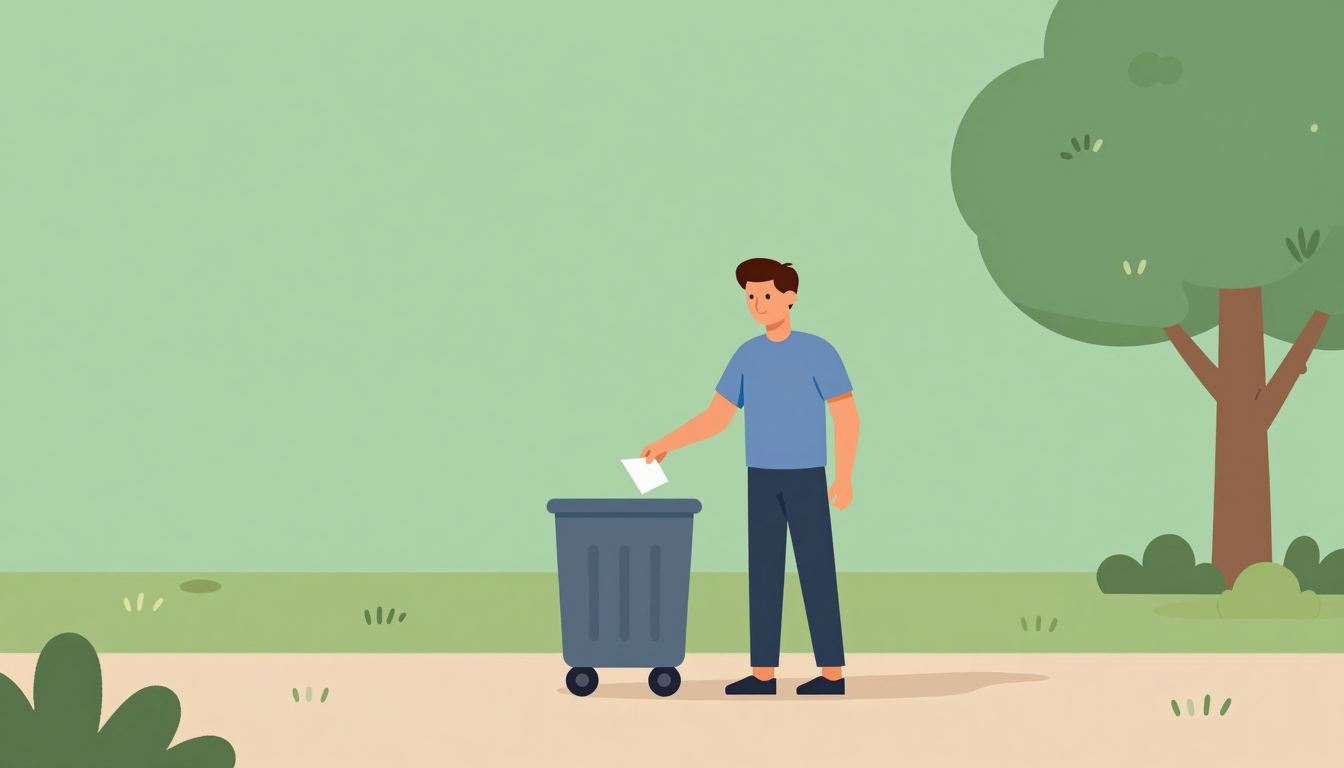
The second recommendation extends that sense of agency through actions that benefit others. Contributions might range from sustained work in one’s field to help advance climate science to picking up nearby litter and putting it in a trash can. The writer suggests that contributions at either scale can help people feel better by strengthening self-efficacy—the sense that “I can do something.” That feeling of capability can counter the helplessness and anxiety brought on by vast uncertainties.
The writer also connects this experience with self-actualization at the top of Maslow’s hierarchy of needs. In their view, continuing to contribute to the world may help people discover a better version of themselves.
The scale of the changes remains unsettling. According to the writer, some climate scientists see the planet as possibly undergoing unprecedented upheaval. Alongside that planetary perspective is the experience of ordinary people watching their own surroundings change and grow unsettled over time.
When those larger accounts of change feel overwhelming, the writer encourages beginning with small actions. Those efforts can help make the world better while giving us a greater sense of security and steadiness within it.
Frequently asked questions
What feelings does the writer associate with climate anxiety?
The writer describes persistent fear, guilt, and sadness about environmental deterioration caused by climate change, particularly among many adolescents and young adults.
What achievable changes does the writer recommend?
The writer suggests requesting no disposable utensils with takeout orders, eating meat one fewer time each week, and consistently sorting waste, presenting these as ways to ease anxiety and rebuild a sense of control.