Summary
Meal composition may help explain the afternoon slump. The article examines research on dietary fat, narrows the discussion to saturated fat, and suggests food swaps before important activities.
At a glance
The studies described suggest that meal composition may influence post-meal sleepiness. Research involving normal-weight men compared different meal types, while a yearlong Australian study of more than 1,800 men aged 35–80 found an association between higher fat intake and daytime sleepiness. Another Australian study reported an association with saturated fat but none with unsaturated fat; this does not establish that unsaturated fat prevents sleepiness.
Always Drowsy After Lunch? Excess Saturated Fat May Play a Role
Skip your midday nap, and the afternoon can feel like a write-off. That familiar drowsiness after lunch can make a job testing mattresses sound very appealing. Known as a postprandial slump or torpor, this state typically sets in 45–60 minutes after eating.
Many secondary schools require students to take a group nap at midday so they have enough energy for afternoon lessons. Many companies also offer a longer lunch break, giving employees time to recover from post-meal drowsiness before returning to work. For office workers, finding a comfortable way to nap at their desks has become a practical necessity.
But not everyone can fit a nap into the working or school day. And nobody wants a drowsy doctor performing surgery at 2 p.m. or a sleepy pilot flying an afternoon flight—a frightening thought. How, then, can we make afternoon sleepiness less frequent? A useful starting point is to look at what causes the post-meal slump.
What You Eat Affects How Sleepy You Feel Afterward
One popular explanation is that eating draws blood away from the brain and toward the digestive tract, leaving the brain short of blood and making us sleepy. By that reasoning, we should feel drowsy after eating regardless of what is on the plate, and there would seem to be little we could do about it. Yet we do not feel sleepy after every meal, which makes this explanation less convincing.
A paper presented at the 27th annual meeting of the Associated Professional Sleep Societies suggested that the contents of lunch influence how sleepy we feel afterward, rather than eating itself inevitably making us drowsy. Researchers had a group of normal-weight men eat high-fat, high-protein, and high-carbohydrate foods, then assessed their daytime sleepiness and nighttime sleep quality. Compared with the other foods, high-fat foods were more likely to cause post-meal sleepiness and impair attention and alertness.
Fat as a Culprit in Post-Meal Sleepiness
A larger Australian study also pointed to fat as a culprit. More than 1,800 men aged 35–80 took part in the yearlong study, during which researchers recorded their food intake, sleep patterns, and daytime alertness. Higher fat intake was positively correlated with daytime sleepiness. The interpretation offered here is that eating large amounts of high-fat food makes people less alert, though the reported finding was an association.
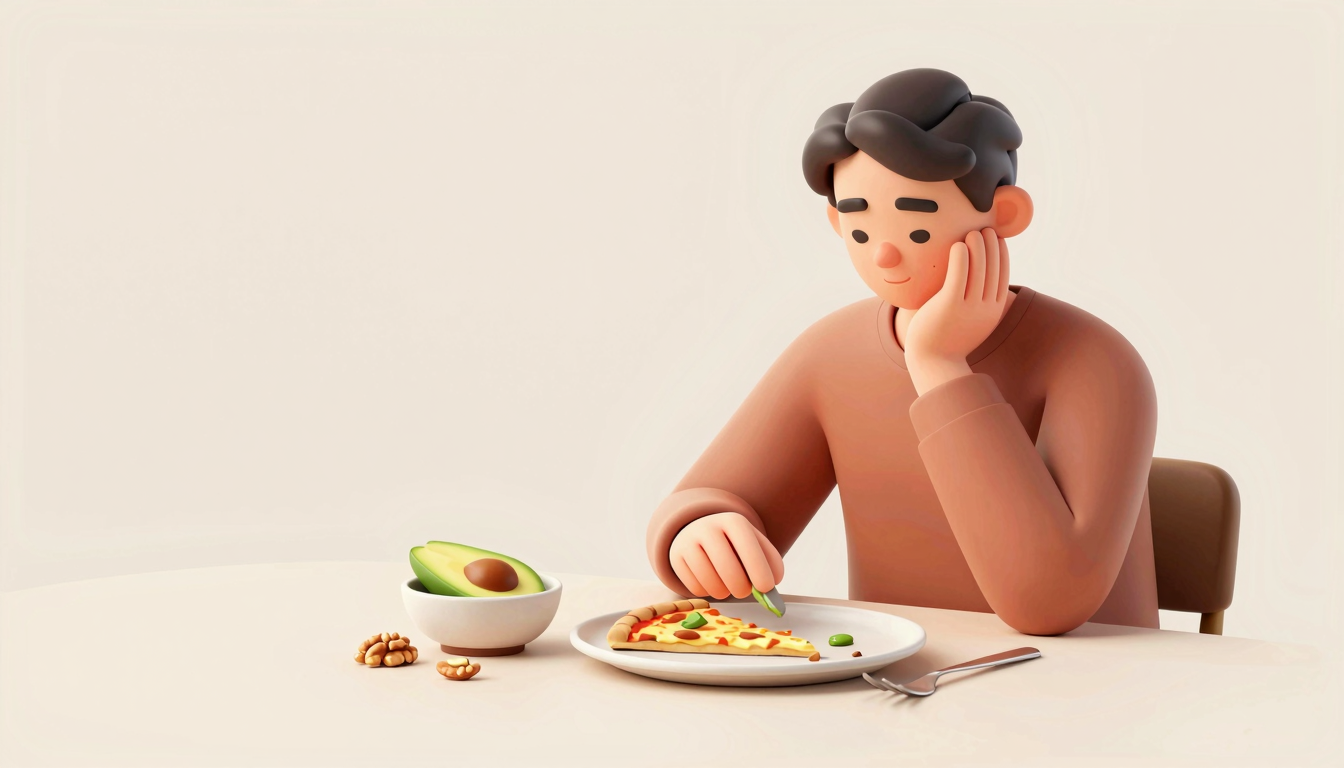
Taken together, these findings point to fat as a cause of the post-meal slump. On that basis, before a major exam or a work presentation, it may be worth skipping breakfast foods such as Chinese fried dough sticks and fried cakes, and keeping fat-rich cheese pizza off the lunch menu.
Do You Need to Avoid All Fat? Focus on Saturated Fat
In fact, there is no need to steer clear of every food rich in fat. Another Australian study of daytime sleepiness found an association with saturated fat intake, but no association with unsaturated fat intake.
A simple clue to the difference is that saturated fats are usually solid at room temperature, while unsaturated fats are usually liquid. Animal fat, cheese, butter, and shortening are typical examples of foods containing saturated fat; vegetable oils, nuts, avocados, and fish oil are typical sources of unsaturated fat.
Possible swaps include dressing tuna salad with olive oil and vinegar instead of mayonnaise, or replacing a fried chicken cutlet with deep-sea fish pan-fried in sesame oil.
These findings have implications both for people choosing what to eat before an important activity and for the people organizing it. At an academic conference, the refreshment break might be one of the most eagerly anticipated parts of the day—only half joking. Beautiful cakes and delicious fruit can seem like the makings of a perfect break. But organizers hoping to keep participants awake for the talks afterward should give the menu some thought. Everyone looks forward to good food; speakers are rather less keen on the sound of snoring.
Frequently asked questions
When does the post-meal slump typically begin?
The article describes the postprandial slump or torpor as typically beginning 45–60 minutes after eating.
Does the article suggest avoiding every type of fat?
No. Another Australian study of daytime sleepiness found an association with saturated fat intake, but no association with unsaturated fat intake. The absence of an association does not establish that unsaturated fat prevents sleepiness.
Did the larger Australian study prove that fat causes daytime sleepiness?
The yearlong study involving more than 1,800 men aged 35–80 reported a positive correlation between higher fat intake and daytime sleepiness. The article's stronger causal language is an interpretation of that association.
Were the suggested food swaps tested in the studies described?
The article proposes food swaps, including olive oil and vinegar in tuna salad and fish instead of a fried chicken cutlet. It does not report trials testing those specific substitutions.