Summary
Repeated painful stories may seek recognition, understanding or connection. Families can acknowledge the hurt, ask what is needed and keep sustainable boundaries.
At a glance
Listen for the need behind the story, validate the emotional experience without immediately dismissing it and offer present-day connection or additional help when needed.
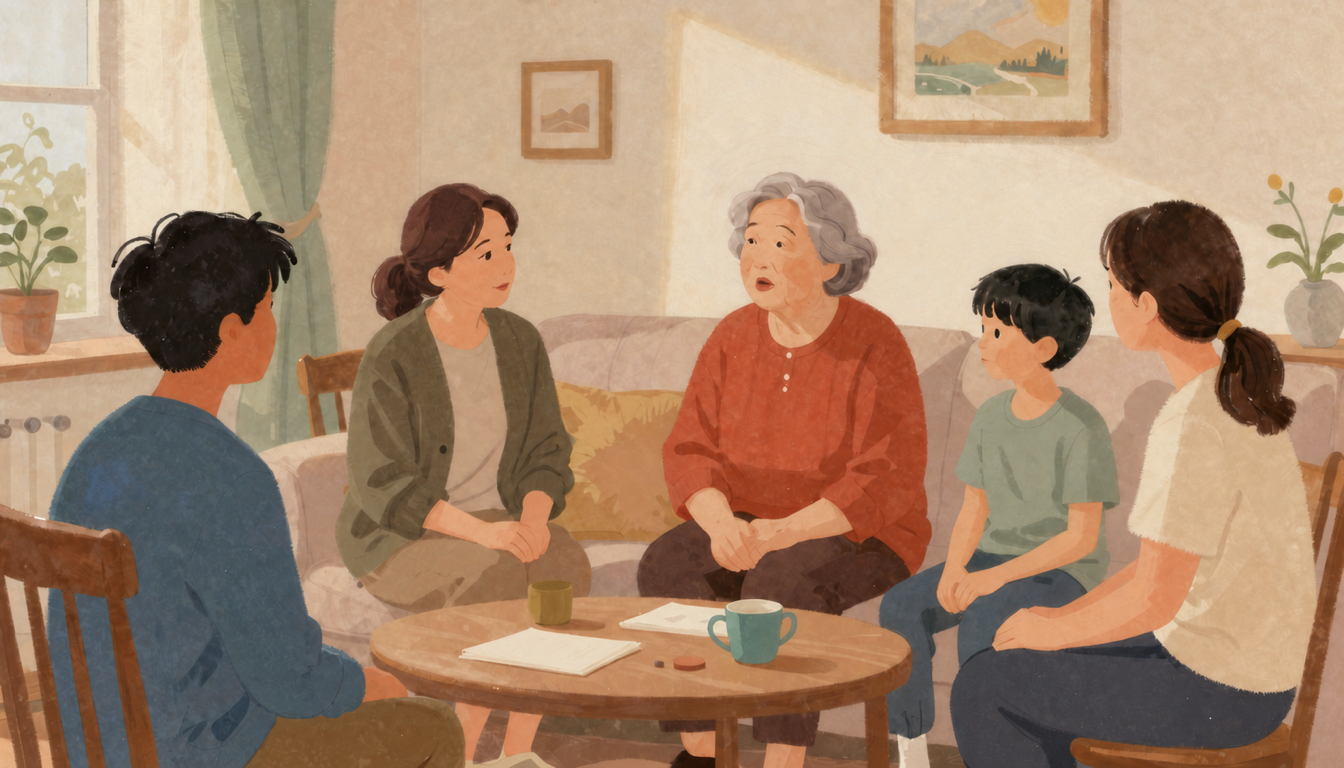
In the source essay's opening family example, Xiaotang is troubled by her mother's repeated accounts of mistreatment by her mother-in-law. The grandmother has been dead for years, and life is more comfortable now. The family keeps offering the same reply: they know it was difficult, but it is over, so why keep returning to it?
The mother's hurt keeps returning too. Xiaotang feels helpless. The events cannot be undone, and reassurance about the present has not changed the conversation. What can a family offer when it has already heard the story many times?
A repeated story can outlast its listeners' patience
The literary comparison is Xianglin's Wife in Lu Xun's fiction. After coercion, remarriage, widowhood and the loss of her son Amao to a wolf, she repeatedly recounts her suffering. Her listeners' sympathy eventually gives way to irritation.
The comparison draws attention to the difference between having heard the facts and having understood what they mean to the speaker. Familiarity can make listeners feel that nothing remains to say. For the person speaking, the story may still carry grief, injustice or an unanswered need for recognition.
A fictional character is not a clinical case, and the comparison does not establish why a particular relative repeats a story. It does invite a pause before describing someone as bitter or deliberately unwilling to move on.
Consider what the telling may be asking for
Sometimes a person is seeking an answer. At other times, they want someone to acknowledge how alone, powerless or unfairly treated they felt. Hurt that was difficult to express at the time may remain emotionally important even after circumstances improve.
Putting an experience into words can give it shape and offer a way to connect. But repeated telling does not always bring relief, and there is no single motive behind it. The speaker may be seeking understanding, revisiting an unresolved question or struggling to find another way to respond to distress.
This is not peculiar to older people. Younger people also return to upsetting conversations, confide in friends or post about small frustrations on social media. Nor should we assume that older adults necessarily experience deeper or more lasting emotions. Age alone does not explain the pattern.
You can ask a gentle question instead of inferring the answer: would they like you to listen, help think about something practical or simply spend time with them? Their preference may change from one conversation to another.
Acknowledge pain without adding a dismissal
For Xiaotang's family, a different response could begin with a listening ear and acknowledgment: “Mom, that sounds deeply hurtful. You had a difficult time.” Let that sentence stand before deciding what else to say.
Adding “but it is all over now” can make the acknowledgment sound like a prelude to closing the subject. The intention may be reassurance, yet the speaker may hear that the feeling should no longer exist.
Validation concerns the emotional experience. It does not require agreement with every remembered detail, every interpretation of another person's motives or every proposed response. You can recognize that someone felt mistreated without settling a disputed family history in the same moment.
Listening also has limits. If you are exhausted, acknowledge the importance of the subject and say when you can return to it. A boundary can be warm and specific. Promising endless availability may leave both people frustrated, while an honest limit makes continued contact more sustainable.
Build support in the present as well
A community interest group, a new skill or regular time with someone supportive may offer fresh connection and a sense of participation. Offer these as choices, rather than assignments intended to stop the person talking about the past. A meaningful present need not erase a painful history.
If distress is persistent or daily life is becoming difficult, family listening may need to be joined by professional support. For bereavement specifically, NHS guidance recognizes varied reactions and recommends seeking help when coping becomes difficult. Repetition alone is not enough to identify a disorder.
A more helpful conversation begins with curiosity about what is needed now. Recognition may not end the story, but it can change the experience of telling it: the person is no longer being asked to justify having felt hurt before being allowed to feel heard.
Frequently asked questions
Why repeat a painful story?
Possible needs include understanding, recognition or help with an unresolved question; no single explanation fits everyone.
Does validation mean agreement?
No. You can acknowledge hurt without endorsing every detail or interpretation.
Must I listen indefinitely?
No. Warm, specific limits can make continued contact more sustainable.
Will a hobby stop the repetition?
There is no guarantee. Activities should offer chosen connection rather than silence the person.