Summary
A reunion over milk tea and rubber ducks opens a discussion of bittersweet memories, self-continuity, and the emotional conditions behind nostalgic spending.
At a glance
Nostalgia can strengthen purchase intention when memories evoke positive emotions, increasing liking for an advertisement and its product. Connecting past and present selves helps explain its appeal, although nostalgia often combines warmth with sadness. Advertising that excessively emphasizes youth and beauty can instead deepen older women's sense of disconnection from their past and reduce their liking for the advertisement and product.
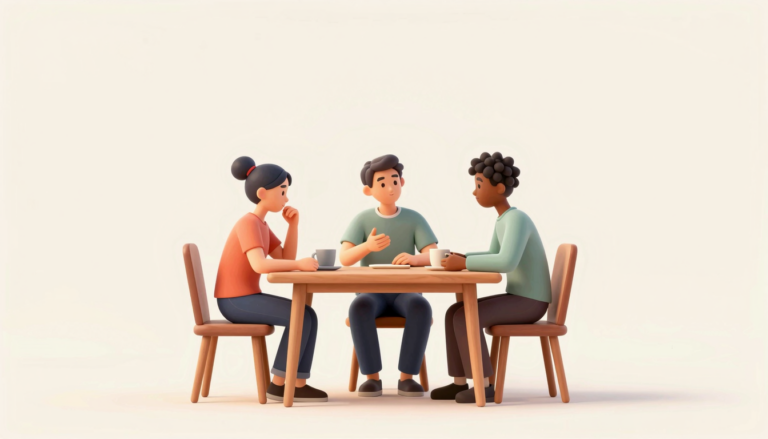
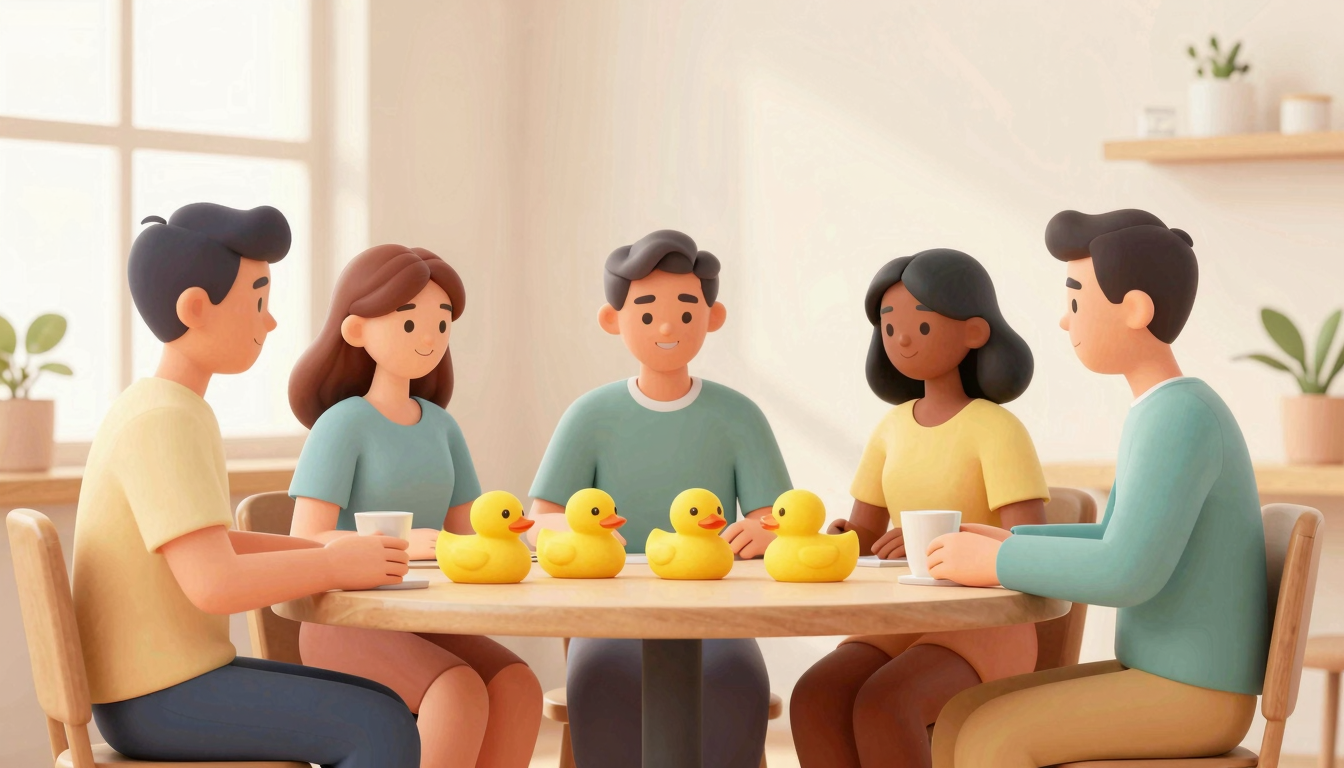
During summer vacation, I met up with friends from secondary school at a milk tea shop to reminisce about our younger days. At the counter, we noticed rows of little yellow rubber ducks neatly arranged beside the register. The manager explained that every drink came with a complimentary duck. All five of us eagerly ordered a drink and collected one. We squeezed them all the way from the ground-floor ordering area to our seats upstairs, leaving a trail of squeaky quacks behind us.
At the next table sat several people who appeared to be actual secondary-school students. One had a jacket draped over a shoulder with a school's name printed on it. They each had a milk tea and held their phones horizontally. I guessed they had gathered during the vacation to enjoy a few rounds of gaming together. There wasn't a single rubber duck on their table.
Meanwhile, the five supposed adults at ours were happily lining up our ducks for photographs.
That day's reunion posts all ended up with the same duck group photo and a caption then popular online: “Maybe a little childish for kids, but just right for us adults.”
In recent years, nostalgia has swept through the marketplace. Adults are playing with things that even children sometimes consider childish, while also quietly becoming the main buyers in nostalgia-themed livestream shopping sessions.
Why does connecting a product with our memories make us want to shout, “My youth is back!” and reach so readily for our wallets? What does nostalgia do to our willingness to buy—and to our purchasing behavior? And how might younger and older consumers, both with memories of youth, respond differently to products marketed through nostalgia?
How small objects connect us with our past
Nostalgia is a complex emotional state that arises when we recall the past. Usually, it contains both negative feelings, such as sadness, and positive ones, such as warmth. These feelings often coexist, which is why nostalgia is so often described as bittersweet.
In most cases, however, its psychological significance is positive. Nostalgia can make us more optimistic about life now and in the future. It can help us feel that life has meaning, draw our attention to our relationships, and strengthen our sense of connection with others.
Why can looking backward feel so good?
Some scholars point to the kinds of experiences nostalgia brings to mind: childhood and adolescence, and the younger person we were then. Consciously or unconsciously, remembering that person connects our past self with our present self. In psychological terms, it strengthens self-continuity—the sense that who we were and who we are belong to the same ongoing life.
The person each of us has become was shaped by experiences accumulated over time. Recognizing that connection can feel like stepping back into our youth, with all the vivid pleasure and release of feeling young again.
Nostalgia can arise spontaneously. You might be gazing at the sky when a scene from the past suddenly flashes through your mind. It can also be prompted by something outside you. Those rubber ducks, for instance, brought back memories of the children's play-pool where identical ducks floated on the water. I remembered grabbing one amid the commotion and giving it a sudden squeeze beside a playmate's ear.
Why memories can make us want to buy
Businesses have recognized the opportunity in nostalgia's ability to be triggered. Many products are now marketed by drawing on memories of earlier life.
Childhood favorites have returned to prominence in food shopping. In a market where some ice creams deliver a nasty surprise at the register, more people have begun missing the old-fashioned ice pops and blocks of milk ice cream that cost a few yuan—or even a few tenths of a yuan—when they were children. Others go looking for the taste of one-yuan snacks once sold in small neighborhood shops, the kind they cannot find in chain supermarkets.
The same pattern extends to fashion, home furnishings, and stationery. Looking at these returning styles, it can seem that aesthetic tastes really do come full circle.
Researchers working across marketing and psychology have offered an explanation for the appeal of nostalgic marketing and advertising. Evoking nostalgia lets people experience a sense of youth again. The positive emotions within that experience can make them like an advertisement more, improve their feelings toward the product it promotes, and consequently strengthen their intention to buy it.
The emotional response is central to this explanation. How to use nostalgic advertising to elicit those positive feelings precisely remains an ongoing concern for researchers and businesses alike.
When looking back stops feeling good
Whether nostalgic marketing works depends partly on the people it reaches. Age and gender are two particularly relevant personal characteristics.
Generally speaking, women experience more positive emotion from nostalgic advertisements than men do, which in turn produces a stronger intention to buy. But that positive emotional experience is an essential step in the process.
If a nostalgic advertisement instead makes women feel bad, playing the nostalgia card may do more harm than good.
Social expectations place stricter demands on women's appearance. Women are expected to remain forever young and beautiful, even though aging, like growing up, is something everyone inevitably faces. An advertisement that puts too much emphasis on “youth” and “beauty” can therefore deepen older women's sense of disconnection between their past and present selves.
Instead of bringing the past into a meaningful relationship with the present, it may leave them feeling that the past was beautiful but is gone for good. That amplifies nostalgia's negative side and can wipe out their liking for both the advertisement and the product behind it. The campaign achieves the opposite of what it intended.
The appeal of nostalgic spending, then, lies in what it helps us recognize about ourselves: that we are better versions of ourselves, and that we can become better still. We may describe it as paying for youth or sentiment, but perhaps it is better understood as investing in that better self.
My past was beautiful. My present and future can be, too.
Frequently asked questions
What is self-continuity in nostalgia?
Self-continuity is the sense that our past and present selves belong to the same ongoing life. Remembering childhood or adolescence can strengthen that connection.
Does nostalgia always make people want to buy?
No. The explanation described here depends on positive emotional experience increasing liking for the advertisement and product. Nostalgia also contains negative feelings, and an advertisement that evokes them may undermine its appeal.
When can nostalgic advertising backfire for older women?
When advertising excessively emphasizes youth and beauty, it can deepen older women's sense of disconnection between their past and present selves. This may amplify negative feelings and reduce liking for the advertisement and product; it does not mean older women generally reject nostalgic advertising.