Summary
Even close friendship can leave painful experiences unspoken. Two personal accounts frame the writer's explanation of how anticipated pain can inhibit disclosure and how sharing may restore closeness.
At a glance
People may hold back because talking about insecurity can bring painful memories back to mind. The writer presents anticipated pain as a possible explanation, while acknowledging that fear of burdening friends may also contribute. This reluctance concerns the topic: people still generally prefer friends as confidants. Facing painful recollection and sharing may bring comfort, support and greater closeness.
You can be someone's closest friend and still find there are things they don't want to tell you…
The writer recalls an unusual change in a close male friend. He kept turning down invitations to eat together, staying in his dorm room and ordering takeout instead. He seemed listless and low. Whenever the writer asked what had happened, he would smile, say nothing was wrong, and change the subject. He usually shared freely; now he hesitated or fell silent. Even when his mood began to improve, he said nothing about that period.
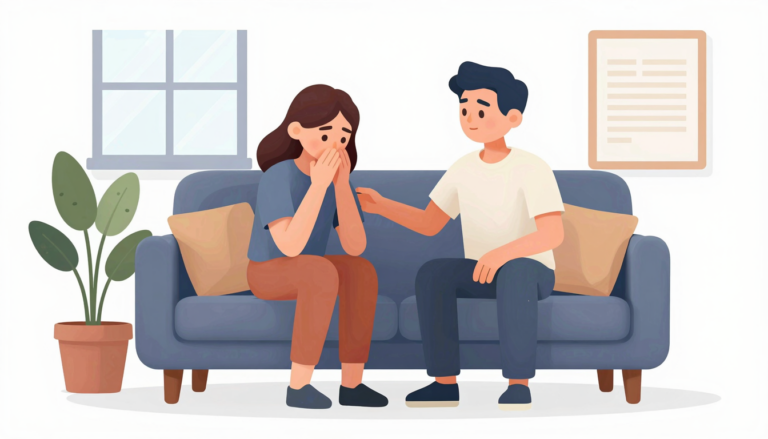
Eventually, after drinking too much, he placed a hand on the writer's shoulder. His face was flushed, his head bowed. In a hoarse voice, he said, “A little while ago… I actually broke up with my girlfriend. We'd been together for six years, since high school…”
His expression darkened. His whole body seemed to draw in on itself, his brow deeply furrowed. He looked distressed and painfully uneasy.
“I spent a long time wondering whether to tell you. But whenever I think about it… I can't help crying. Whenever I think about… my girlfriend, she…” His voice caught. “Forget it. I'd rather not talk about it…”
Talking things through can help people solve problems, strengthen friendships, and support physical and mental well-being, the writer notes, drawing on research about disclosure. Why, then, had this friend been so reluctant to talk about his breakup?
The writer suggests that insecurity helps explain his silence. A crisis in an intimate relationship can shake a person's sense of security. In the writer's view, most people who have felt that insecurity want to vent or confide in someone, yet still choose to bury those feelings deep inside. That seems counterintuitive: wouldn't feeling insecure make us want our friends' support even more—and make us more eager to tell them what was wrong?
The research discussed by the writer points to a different pattern. People are less willing to tell friends about insecurity than to discuss what they did that day, an ordinary trip to buy groceries, or anxiety about work they are struggling to finish by a deadline. Even when they only imagine opening up to a friend about an experience that left them feeling insecure, they envision saying less, covering fewer aspects of the experience, sharing fewer thoughts about it, and communicating less intimately.
Does that mean people would prefer to pour their hearts out to strangers? The same research account indicates that, overall, people still more often choose friends as confidants. The comparison concerns the subject of the conversation: willingness to confide in friends drops when the subject is insecurity, compared with other topics.
Fear of burdening friends with painful emotions could play a part. But, as the writer points out, that alone would not explain why people are less willing to discuss insecurity than other negative experiences.
The friend's distress suggests another possibility. When he mentioned his breakup, he seemed to be back in the moment it happened, still intensely sad despite the time that had passed. Perhaps talking about it brought back the helplessness, despair, and pain he felt then. The writer interprets his avoidance as a possible attempt to escape reliving those feelings.
The writer also draws a tentative connection to Maslow's hierarchy of needs, which places safety needs immediately after physiological needs. Given that priority, the writer reasons, experiences that threaten our sense of security may bring painful memories to the fore more readily than other subjects we might discuss.
The reported findings about recollection extend beyond friendship. When a stranger is more likely to bring an experience of insecurity back to mind, people are also less willing to disclose it to that person. Recalling an experience of insecurity that they had kept to themselves is likewise associated with expecting greater pain from remembering it and feeling less willing to confide in friends.
For the writer, these findings help explain why insecurity can be harder to discuss than other subjects: people may hold back to avoid the pain they anticipate in bringing the experience back to mind.
Yet the difficulty of talking about insecurity does not erase what sharing can offer. Drawing on research about disclosure's benefits, the writer describes the comfort of confiding in someone. Expressing helplessness and vulnerability to friends can support psychological well-being, strengthen friendships, and bring social support. If we can face the pain of remembering and share what has left us feeling insecure, the writer suggests, talking may feel healing and natural, much like talking about other parts of our lives.
There may also be particular value in telling a friend. In a separate research-based comparison, the writer notes that friends can understand our thoughts better than strangers and be more willing to help. On that basis, the writer proposes that opening up about insecurity may strengthen a friendship even more than discussing other subjects.
The encouragement is to give pain a voice rather than simply endure it. Perhaps speaking about it can be healing both for us and for the relationship.
The writer recalls another experience, this time with a longtime female friend who went alone to study in the United States. Over the following month, she would take several days to answer WeChat messages asking how life was going. Worried about disturbing her, the writer began sending fewer messages. The friendship seemed to be drifting apart, which left the writer sad—and worried, with so little sense of how she was doing.
After the writer finally told her about that sadness and concern, she called. During the conversation, she cried and described how lost and insecure she felt studying alone. Not knowing how to talk to her friends and family about it had itself become painful.
In the writer's account, the feelings she had been holding in finally found release during that call. Afterward, she said she felt much better. The writer felt better too, and felt that their friendship had grown closer.
The writer's parting reassurance is emphatic: when you're hurting, don't get caught up in worrying that telling your friends will disturb them or make them anxious for no reason. True friends never feel bothered by being told. They worry most when you say nothing.
Frequently asked questions
Does reluctance to discuss insecurity mean people prefer confiding in strangers?
The research account described by the writer indicates that people still generally choose friends as confidants. The comparison concerns topics: willingness to discuss insecurity is lower than willingness to discuss other subjects.
Is fear of burdening friends the only explanation for staying silent?
The writer acknowledges that fear of burdening friends may contribute, but considers it insufficient to explain the difference from other negative topics. Anticipating the pain of remembering an insecure experience is proposed as another explanation.
How might sharing insecurity help a friendship?
The writer suggests that facing painful recollection and sharing vulnerability may bring comfort, social support and greater closeness. The proposed benefits remain possibilities, illustrated by the writer's account of a conversation with a friend studying abroad.