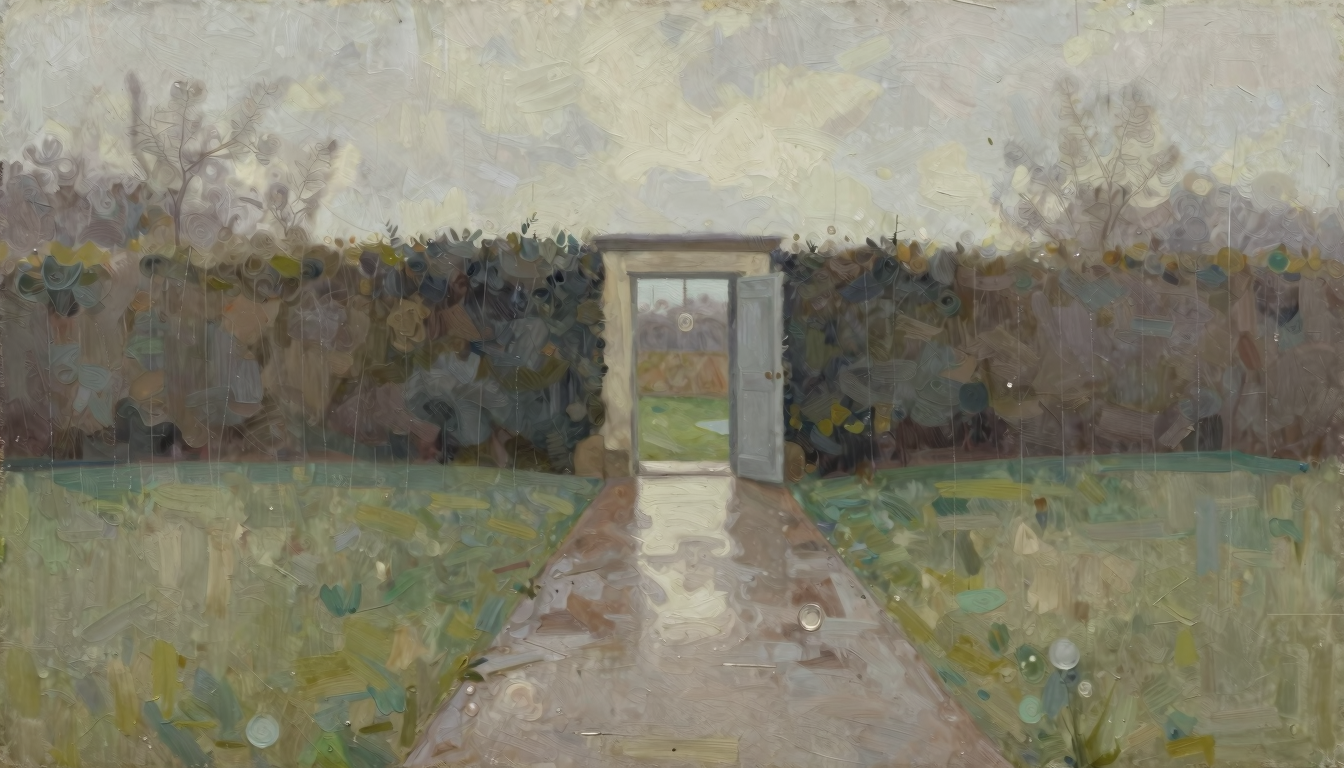
What this article is really about
Dreaming about running in the rain may symbolize moving toward something while conditions remain imperfect, choosing your own pace, or experiencing freedom within a setting you cannot control. Happy running, heavy rain, bare feet, and another person beside you can make different comparisons. These are conditional symbolic readings, not predictions of danger, blessings, or a required spiritual test.
Direct answer
Dreaming about running in the rain may symbolize moving toward something while conditions remain imperfect, choosing your own pace, or experiencing freedom within a setting you cannot control. Happy running, heavy rain, bare feet, and another person beside you can make different comparisons. These are conditional symbolic readings, not predictions of danger, blessings, or a required spiritual test.
Chosen movement in continuing rain distinct from indoor intrusion safety first rain.
Recall purpose pace ground companion ending and clarify bounded step.
The useful question is why you were running and how the rain affected that purpose. Running toward a destination, enjoying movement, and looking for shelter are different scenes.
Movement while the conditions continue
Running in rain can offer an image of participation without waiting for every condition to become ideal. The rain remains part of the scene while you act within it.
An encouraging reading may concern making a workable start. A cautionary reading may concern treating movement itself as proof that a direction is right. Neither determines what a real situation requires.
This differs from rain entering a house or the first rain arriving after a dry period. The central action here is your movement while the weather continues, rather than a boundary being crossed or a change in weather beginning.
The distinction is between conditions you cannot fully choose and a pace or purpose that remains yours. A meaningful action can coexist with uncertainty without needing to turn that uncertainty into a prophecy.
Running toward a destination
If you know where you are going, the scene may emphasize a purpose that remains visible despite the weather. The destination can make your movement specific rather than merely hurried.
If the destination becomes unclear, the comparison may concern activity that has outpaced its purpose. An unclear route does not predict failure or prove that your plans are wrong.
Notice whether the rain changes your route, your pace, or only the appearance of the place. Those differences help distinguish an obstacle from a condition that accompanies the action.
Symbolically, the useful question is what the running helps you reach. Effort can have a clear purpose without requiring every part of the setting to cooperate.
Running happily in the rain
If running feels happy, the scene may emphasize enjoyment, play, or a sense of movement that is not defined entirely by inconvenience. Your response matters alongside the rain.
Happiness in the dream does not guarantee good fortune or establish that a waking risk is acceptable. It can remain a remembered experience rather than a forecast.
If you have no destination and simply enjoy running, the image may concern participation for its own sake. If you are happy while approaching someone or somewhere, the purpose may be more specific.
The symbolic distinction is between enjoying a moment and using that feeling as proof of a future outcome. A pleasant dream can matter without promising that all conditions will become easy.
Running urgently or looking for shelter
If you run to shelter, the scene may emphasize choosing where exposure ends. That is different from running simply because movement feels enjoyable.
Urgency does not prove fear, avoidance, or a psychological cause. Read it alongside what you are trying to accomplish rather than assigning a fixed meaning to speed.
A nearby shelter may make a practical limit visible. An uncertain shelter may make the purpose of the running less clear. Neither establishes the condition of an actual place.
Symbolically, seeking a limit can be part of agency rather than its absence. Continuing and pausing can each have a purpose within the remembered scene.
Heavy rain and a narrower view
Heavy rain may make visibility, sound, or the difficulty of keeping a route in view more prominent. Use those details only when they were actually remembered.
It does not predict disaster, emotional collapse, or a coming ordeal. The intensity of a dream setting is not evidence that a real event will be intense.
If you adjust your route or pace, the scene may emphasize responsiveness. If you cannot see where you are going, it may emphasize an action whose next reference point needs attention.
The useful comparison is between a demanding setting and a demand to keep moving identically. An aim can remain meaningful while the way you approach it changes.
Running barefoot in the rain
Bare feet may make direct contact with the ground prominent. The scene can emphasize how closely you experience the route rather than only where you intend to arrive.
Barefoot running does not prove vulnerability, poverty, purification, or a need to reject protection. It also does not provide advice about actual outdoor activity.
If the ground feels comfortable, the image may emphasize an uncomplicated contact with the moment. If it feels difficult, the comparison may concern what the movement asks of you. Neither diagnoses a condition.
The symbolic distinction is between closeness to an experience and a claim that closeness is always better. What fits depends on the actual remembered response and ordinary waking circumstances.
Running with someone
Running beside another person may emphasize companionship within shared conditions. The rain is common to both, but your purposes and paces need not be identical.
If you move together, the scene may concern coordination. If one person goes ahead, it may concern different movement rather than abandonment. The dream cannot establish their actual wishes or intentions.
A familiar companion may bring a relationship into the scene. An unknown companion may make the role more prominent than the person's identity. Neither predicts a meeting or confirms affection.
The useful comparison is between sharing a setting and agreeing on a destination. Ordinary communication determines whether a real plan is shared.
A familiar route in changed weather
A route you recognize may emphasize an ordinary activity experienced under different conditions. The scene can make a familiar method feel newly noticeable.
If you change direction, the image may emphasize adjustment within that activity. If you follow the same route, it may emphasize continuity. Neither proves that change or consistency is the correct waking choice.
A remembered street does not predict an event there. Its symbolic usefulness may lie in what you associate with the route rather than in a message about the actual location.
The distinction is between a familiar purpose and the conditions surrounding it. The dream may invite a comparison without requiring you to rewrite every part of an existing arrangement.
Clothes wetness and being seen
If wet clothes or other people's attention stand out, the scene may emphasize how movement becomes visible to others. Their dream reactions do not establish what real people would think.
Discomfort may make exposure prominent; indifference may make the activity itself more central. Neither proves shame, confidence, or a hidden psychological cause.
If you keep adjusting your appearance while running, the image may concern presentation competing with purpose. If you stop noticing it, the scene may concern allowing the action to remain the main activity.
Symbolically, being affected by conditions is different from being judged for them. Keep the remembered response separate from assumptions about an actual audience.
When the rain stops or the running ends
If rain stops, the scene may emphasize a change in the setting. If you stop running while rain continues, it may emphasize a change in your action. Those are different endings.
Neither promises that a difficulty will end soon. A dream's sequence is not a timetable for waking events.
If you arrive, what you do next can matter. If the dream ends midrun, the outcome remains unspecified rather than automatically failed.
The useful symbolic distinction is between finishing an action and controlling every condition around it. A next step can become available even when the whole setting has not changed.
Spiritual Biblical and Islamic questions
A spiritual reading may use running in rain as a personal image of renewal, movement, or acting while uncertainty remains. These associations can be meaningful without establishing a supernatural message.
A Biblical framing does not make this scene a verified scriptural dream instruction. This article does not attribute a particular running in rain interpretation to a verse or authority. It does not establish cleansing, divine approval, or a required ordeal.
An Islamic framing likewise does not supply a certain religious verdict or prediction. The dream cannot prove a blessing, warning, or command about an ordinary decision.
If a devotional setting actually appeared, recall its specific role. A personal religious association remains separate from an authoritative interpretation, and an intense scene does not require a dramatic response.
Four ordinary situations to consider
Work and a workable start
A task may wait for conditions that never become completely settled. Running in rain may resemble movement within uncertainty. Check what is clear enough to do, then begin one limited step. The dream cannot guarantee success.
Relationships and shared pace
People may agree to meet while expecting different plans. Running with someone may resemble that coordination question. Check the actual destination and timing, then clarify one agreement. The dream cannot reveal another person's feelings.
Home and an ordinary limit
A practical activity may continue beyond the point where it serves its purpose. Looking for shelter may resemble deciding where an action ends. Check what needs doing now, then choose a manageable stopping point. The dream does not require avoidance.
Creativity and enjoying the process
A practice may become defined only by its finished result. Happy running may resemble participation that also has value. Check what one session can offer, then try a small piece. The dream cannot predict reception.
A modern example of starting within uncertainty
Amira was preparing a community sketch afternoon. She kept postponing the invitation because the group had not settled every detail of the display they hoped to create later. She dreamed of running happily in rain beside a friend, then stopping at a familiar doorway while the rain continued.
She connected the scene with an activity that could have a clear beginning and ending without resolving the whole future plan. Her judgment was that one sketch session could be useful on its own.
She invited the group for an hour, asked them to bring one familiar object, and left the display decision for a later meeting. Participants made one drawing each and discussed possible themes afterward. The ordinary result came from a bounded invitation; the dream did not guarantee attendance or prove that uncertainty was always harmless.
Read the running alongside its purpose
Recall your destination, pace, feeling, companion, ground, and ending. Distinguish enjoyment from a promised result, shared weather from a shared plan, and a limited action from control of the whole setting.
Choose one step whose purpose and stopping point you can clarify. A running in rain dream may offer an image of responsive movement without predicting blessings or instructing you to take a physical risk.
Frequently asked questions
What does running in rain mean in a dream?
It may evoke moving with a purpose while conditions remain imperfect. It does not predict danger or guarantee a result.
What does happy running in rain mean?
It may emphasize enjoyment or participation. Happiness does not prove that a waking risk is acceptable or promise fortune.
What does heavy rain change?
It may make visibility and adjustment prominent. Its intensity does not predict disaster or diagnose overwhelm.
What does barefoot running mean?
It may emphasize direct contact with the remembered ground. It does not establish purification vulnerability or physical advice.
What if I run with someone?
It may emphasize companionship or coordination. Shared conditions do not establish a shared destination or reveal affection.
What is the spiritual Biblical or Islamic meaning?
Personal associations may concern renewal or movement. This article supplies no authoritative religious verdict attributed verse blessing prediction or command.
Does an unfinished run mean failure?
No. An outcome not shown is different from a failed outcome. Interpret the action actually remembered.