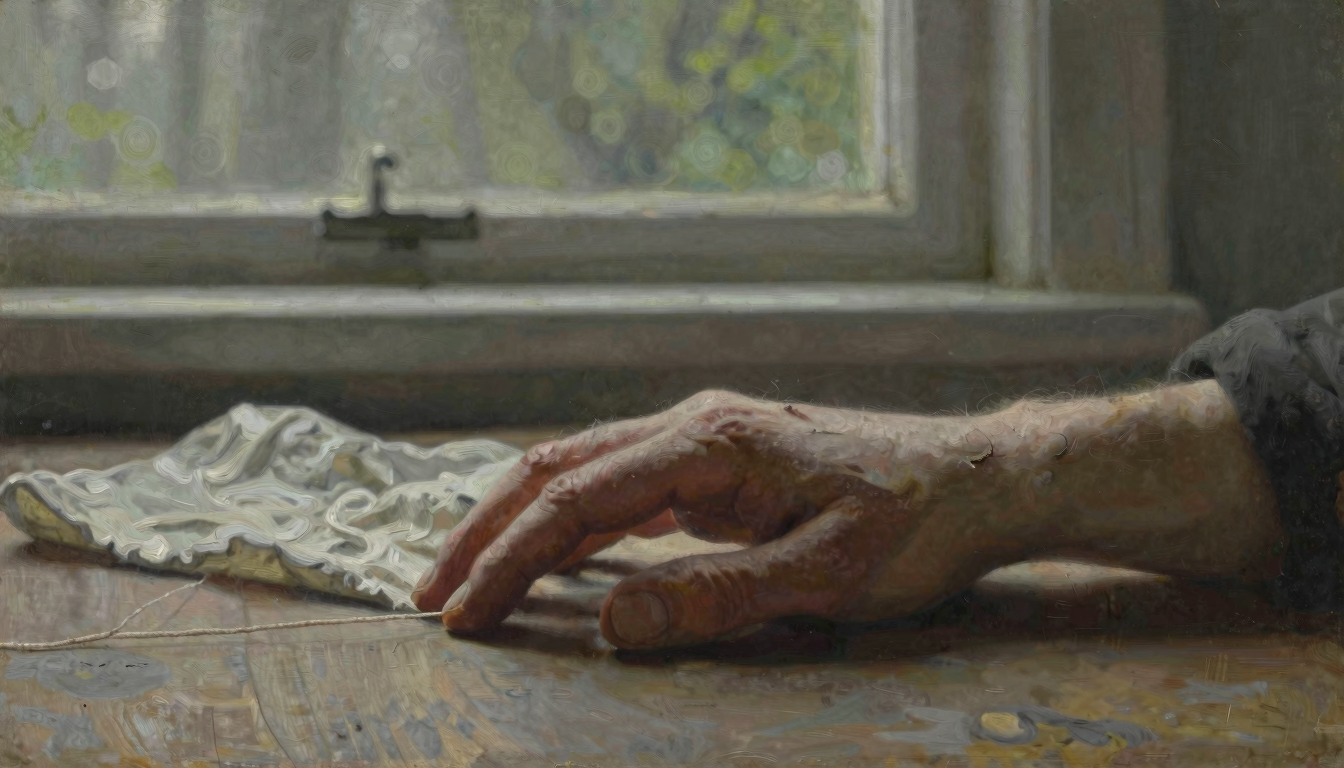
Summary
Dreaming about breaking a fingernail may symbolize a small point of strain becoming noticeable during an action, or a detail of protection or presentation no longer holding up as expected. The break can evoke a snag, an interruption, or a need for proportionate repair. Its meaning depends on what you were doing and how you respond. It does not predict injury, failure, financial loss, or bad luck.
At a glance
Dreaming about breaking a fingernail may symbolize a small point of strain becoming noticeable during an action, or a detail of protection or presentation no longer holding up as expected. The break can evoke a snag, an interruption, or a need for proportionate repair. Its meaning depends on what you were doing and how you respond. It does not predict injury, failure, financial loss, or bad luck.
Pressure at contact and repair of still-attached edge rather than detachment or measured trimming.
Recall task contact remaining edge aftermath; inspect one local snag.
A broken edge is different from the whole nail falling off. Something remains attached, yet its shape has changed. The dream may concern a difficulty that deserves attention without requiring you to abandon the entire undertaking.
The point where effort meets resistance
Fingernails sit at the edge of hands used to hold, help, and make. A break during activity can bring attention to the contact between effort and resistance. A small feature may reveal that the current approach needs adjustment.
This can symbolize a task that looked straightforward until one detail caught. The image need not mean that you lack ability. It may concern the method, pace, or support available at that point.
If the nail breaks while you reach for something, the scene may emphasize the cost of that reach. If it breaks while protecting another person or object, it may emphasize the conditions of helping. The action narrows the reading.
Do not assume that every break expresses overwork. Some dreams contain a sudden accident with no explanation. The symbolic question may remain simply what an interruption changes and how you respond to it.
A snag differs from a clean break
A nail catching on cloth or another surface may evoke friction between parts that are meant to work together. Something small prevents a smooth movement. That can resemble a practical mismatch rather than a major conflict.
A clean break may emphasize a definite interruption. A split that remains partly attached may emphasize a difficulty that continues to catch your attention. The condition after the break can matter more than the moment itself.
If you smooth the edge, the scene may evoke restoring usability. If you keep catching it, the image may emphasize that the original snag has not yet been addressed. The dream does not prescribe physical treatment.
The useful distinction is between an event and a continuing point of friction. An ordinary response may be enough when the change is local. Symbolically, care can prevent a minor break from governing every later action.
Discovering damage after the activity
Finding a broken nail after finishing something may symbolize recognizing a cost belatedly. You may notice that participation required more from a small part of your readiness than you expected.
Surprise may emphasize the difference between how the activity appeared and how it affected you. Irritation may emphasize an inconvenient consequence. Relief may suggest that the task is complete despite an imperfect finish.
The dream cannot determine whether a real undertaking was worthwhile. It may invite you to examine one cost that was easy to overlook, especially if the larger result absorbed all your attention.
If you cannot remember when the break happened, leave its cause open. Assigning blame to another person or event would add information the scene does not supply. Observation can come before explanation.
One nail or all your nails breaking
One broken fingernail may focus attention on a specific weak point or interaction. Other parts of the hand can remain steady. The image may invite a local adjustment rather than a judgment about your whole capacity.
All your nails breaking may amplify a feeling that several points of participation are strained. It can evoke repeated friction or a broader mismatch between the activity and the conditions supporting it.
The number does not count future setbacks. A repeated image can intensify one concern instead of representing many separate events. Consider whether the same kind of pressure appears across several actions.
If the breaks happen together, suddenness may matter. If they happen one by one, anticipation may matter. The dream can emphasize the experience of strain without proving that every responsibility is about to fail.
Appearance and function need separate readings
A broken nail may feel upsetting because it changes how the hand looks. That can symbolize concern about being seen with an imperfect detail. It does not mean that appearance is unimportant or that others actually judge you through it.
If the hand still performs the task, function may remain intact despite the visible change. The scene can invite a distinction between a presentable finish and a usable result. They can both matter without being identical.
If the broken edge interferes with the action, practical fit may be central. An adjustment can serve the task rather than merely improve appearance. The remembered difficulty helps distinguish the two readings.
Notice whether you hide your hand, show someone, or continue openly. The response may concern visibility, assistance, or acceptance of an incomplete detail. None reveals another person's real private opinion.
Pain and the scale of the response
Pain may emphasize the felt cost of the interruption. A painless break may emphasize inconvenience or surprise. Do not invent blood or injury when none is remembered.
A strong emotional response to a small break may suggest that the detail carries a larger meaning in the scene. It might stand for readiness, care, or a standard you hoped to meet. That does not make the response irrational or establish a diagnosis.
A calm response may evoke confidence that the difficulty is manageable. It does not guarantee that a real problem is minor. The symbolic reading still needs to be checked against actual circumstances.
The dream offers no medical forecast. Its possible reflection concerns the relationship between a local change and the response it receives. Proportion can mean taking the detail seriously while keeping the larger action in view.
Repair continuing and choosing a pause
Repairing the edge may symbolize preserving participation through a limited adjustment. You are responding to the difficulty rather than trying to erase the fact that it occurred.
Continuing without attention may evoke persistence or neglect, depending on whether the edge keeps causing trouble. The action alone is not enough to decide. Look at the result and the feeling afterward.
Pausing may symbolize making room to reconsider a method. Abandoning the whole activity may express a stronger wish to stop, or fear that one flaw makes everything unusable. The dream does not require that conclusion in waking life.
A different tool, another person's help, or a change of pace may evoke support around the point of strain. The symbolic issue can be the conditions of action rather than a test of personal toughness.
Spiritual reflection on imperfect participation
Spiritually, breaking a fingernail may invite reflection on the limits of a protective edge. A small break can make you notice that readiness requires care and that participation can continue without a flawless appearance.
An encouraging reading may concern a modest repair that keeps the larger purpose available. A cautionary reading may concern repeated friction that deserves a changed approach. Both depend on the scene.
The image does not establish punishment, a curse, guaranteed bad luck, or a required sacrifice. A break is not automatically a spiritual lesson assigned by an unseen force.
Its symbolic value may lie in discernment about measure: what needs attention, what still works, and whether the response fits the difficulty. That question can remain useful without becoming a prophecy.
Where the symbolism may fit daily life
Work and a repeated practical snag
A nail catching during a task may resemble a small handoff problem that keeps disrupting progress. Check where the friction occurs, then revise one step. Symbolically, a local repair can serve the larger process.
Relationships and a cost of helping
A break while reaching for someone may resemble a contribution becoming uncomfortable at one point. Check the actual request, then clarify one limit or form of support. The dream cannot prove that another person takes you for granted.
Home and a useful pause
A broken edge may resemble a minor repair that gets deferred until it interrupts several activities. Check what can be completed now, then handle or share one small task. Care can be practical without becoming an endless project.
Creativity and an imperfect finish
A visible break that leaves the hand usable may resemble a detail you dislike in otherwise functional work. Check whether it affects the purpose, then choose a limited revision or let the work proceed. The image may concern proportion rather than surrendering standards.
A modern example of repairing one snag
Helen helped assemble fabric decorations for a community hall. The thread kept catching where two pieces met, but she tried to finish faster instead of changing the join. She dreamed of breaking a fingernail on a loose thread, then smoothing the edge and completing the next piece calmly.
She connected the snag and limited repair with a practical mismatch she had treated as a need for more effort. Her judgment was that the join needed a different arrangement, while the whole decoration plan remained workable.
She asked another volunteer to check the seam and moved the fastening point away from the fold. The remaining pieces were assembled without repeated catching, and the hall was ready at the agreed time. The ordinary result came from repairing the local friction rather than treating one interruption as a verdict on the entire task.
Read the break in relation to the task
Recall the activity, the point of contact, the remaining nail, and what happens next. Separate one broken edge from complete loss, appearance from function, and persistence from a method that needs adjustment.
Breaking a fingernail in a dream may help you consider a small strain that deserves a proportionate response. Choose one real snag to inspect. The image can support that judgment without forecasting failure or making an imperfect detail define the whole undertaking.
Frequently asked questions
What does breaking a fingernail in a dream mean?
It may symbolize a point of strain becoming visible during action. The task contact and response help distinguish a local snag from a broader concern.
What does a broken fingernail mean if I find it afterward?
It may evoke noticing a cost after participation. Its cause should remain open when the dream does not show it.
What does all my nails breaking mean?
It may amplify repeated friction or changed conditions across several actions. It does not count future setbacks.
Is a broken nail the same as a nail falling off?
No. A break can leave an attached edge needing repair, while falling off emphasizes detachment and a missing protective layer.
What if the hand still works?
Function may remain available despite changed appearance. The symbolic question can concern a limited repair rather than complete incapacity.
Does it predict bad luck or failure?
No guaranteed outcome follows from the image. A conditional reading can help examine strain without forecasting events.
What if I smooth the broken edge and continue?
It may evoke preserving the larger activity through a proportionate adjustment. Check whether that reading fits a real point of friction.