What this article is really about
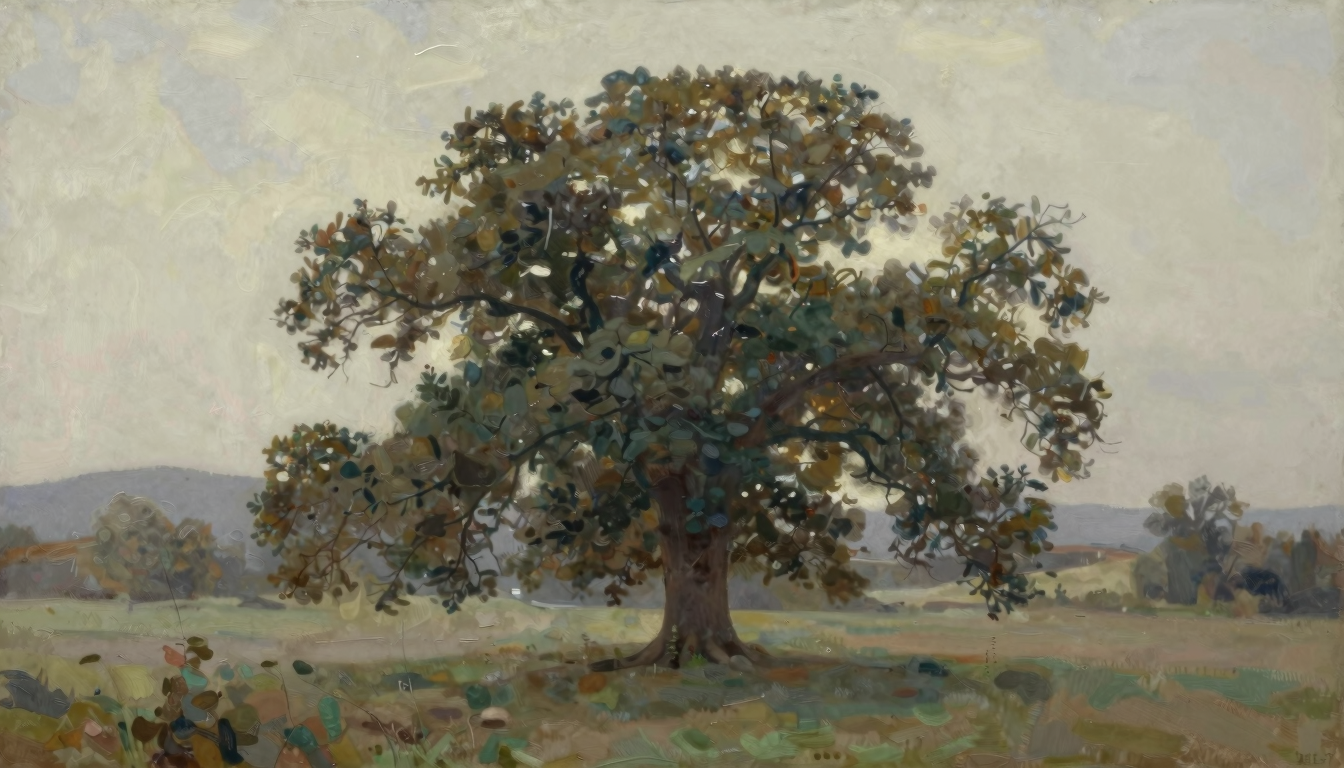
Dreaming about an oak tree may symbolize established strength, a shared structure, or the expectations placed on something that has stood for a long time. A broad canopy, an old trunk, and your position beneath it can emphasize different forms of support. The dream does not guarantee protection, longevity, prosperity, or a biblical message. Its useful distinction is between relying on a substantial presence and expecting it to carry every responsibility alone.
Direct answer
Dreaming about an oak tree may symbolize established strength, a shared structure, or the expectations placed on something that has stood for a long time. A broad canopy, an old trunk, and your position beneath it can emphasize different forms of support. The dream does not guarantee protection, longevity, prosperity, or a biblical message. Its useful distinction is between relying on a substantial presence and expecting it to carry every responsibility alone.
Oak substantial shared structure proportional responsibility distinct from unusual fruit intuition.
Recall role scale response; clarify one substantial responsibility.
An impressive tree can make strength visible while leaving the terms of support unclear. Notice what the oak actually does in the scene and who participates around it.
Strength with a particular purpose
An oak may evoke a substantial or established presence if that association fits your experience. Its symbolic role can concern a structure that people recognize and organize themselves around.
The encouraging reading may emphasize drawing on something dependable for a defined purpose. The cautionary reading may emphasize treating visible strength as unlimited capacity. Neither determines the quality of a real person or arrangement.
A tree serving as a meeting place differs from one expected to block every difficulty. In the first scene, its role may be clear; in the second, the expectation may be larger than anything the tree actually does.
The central question is what kind of support you seek. Symbolically, strength can be meaningful without guaranteeing every outcome or removing the need for participation from others.
A broad canopy and shared coverage
A broad oak canopy may evoke space shared by several people or activities. Shade, room to gather, and the arrangement beneath the branches can make support more noticeable than the tree's height alone.
If everyone has room, the scene may emphasize a structure that serves its purpose. If people crowd beneath one small part, it may emphasize how support is distributed or assumed. Neither image reveals anyone's motives.
Standing at the edge may emphasize deciding how to participate. Taking the central place may emphasize responsibility or a wish to be included. The dream cannot assign a role to you in waking life.
The useful comparison concerns coverage and agreement. A shared source can remain valuable while its use needs clearer terms. Its size does not decide who should take responsibility for everything beneath it.
An old trunk and established authority
An old oak trunk may make accumulated time or an established role prominent. Marks, texture, or the tree's position can evoke a history people recognize.
The symbolic image may concern authority that comes from continuity. That does not prove the authority is wise, fair, or appropriate for every current decision. Familiarity and suitability are different questions.
If you lean against the trunk, support may dominate. If you only look upward, distance or admiration may matter. If you examine a particular mark, history may become more personal than general strength.
A long-standing presence can offer perspective without making change impossible. Symbolically, respect for a history need not mean preserving every assumption attached to it.
Standing alone and standing among other trees
A solitary oak may emphasize one substantial point of reference. Its presence can feel reassuring, exposed, or distant depending on the setting and your response.
Several oaks may emphasize a larger structure or distribution of support. Walking among them may make available routes more noticeable than dependence on a single tree.
Neither scene proves that independence or a group is better for you. The dream cannot evaluate an actual organization or relationship from the number of trees alone.
Notice whether the scene gives one tree a role that others could share. Symbolically, a recognizable center can be useful without becoming the only possible source of orientation or support.
A small oak and proportionate expectations
A small oak may evoke something developing whose value is not measured by its present size. If you care for it, participation and patience may be more prominent than immediate shelter.
Expecting a small tree to cover a large gathering may emphasize a mismatch between capacity and demand. Admiring its growth may emphasize noticing a modest result. Neither predicts future success.
The useful distinction is between recognizing potential and assigning a finished role too early. A developing practice, relationship, or arrangement can matter without being ready to carry every need.
The dream does not require indefinite waiting. It may offer a comparison that helps you define what the present form can actually support, rather than judging it solely by an imagined future version.
Roots branches and where responsibility extends
If roots or branches are prominent, the scene may emphasize how a substantial presence relates to its surroundings. Roots can make connection visible; branches can make extension and coverage more noticeable.
These are conditional symbolic comparisons, not proof of hidden causes. Visible roots do not establish a secret family problem. A long branch does not determine what another person owes you.
If branches leave room for activity, the scene may emphasize support that fits. If they occupy the space you need, it may emphasize an established structure whose current form deserves attention.
The useful question is where the role begins and ends. Strength can extend outward while still needing limits. A clear responsibility can be more useful than a vague expectation that one presence will hold everything together.
A white oak in a dream
White oak may be the name you recognized for the tree, or white may describe an unusual color in the dream. Recall which detail was actually present before treating the phrase as a single fixed image.
If it is a species name, the recognition may connect with a familiar place or personal memory. It does not establish a separate universal dream verdict or guarantee special strength.
If the tree appears white, contrast or unfamiliarity may become more prominent. A bright appearance can draw attention without proving purity, divine favor, or a spiritual event.
The useful reading compares the particular detail with the tree's role. What you do beside a white oak matters more than assigning a fixed meaning to its name or color alone.
A biblical question needs a clear boundary
A question about the biblical meaning of an oak tree may arise from faith or a remembered association. The dream alone does not establish a scriptural interpretation, divine approval, or a religious ruling.
No biblical passage is being offered here as an authoritative explanation of this dream. A tree's size, age, or apparent strength cannot supply that conclusion independently.
If you want a faith-specific comparison, distinguish the remembered dream from what a named text actually says. Personal significance remains different from an attribution to scripture.
The symbolic readings here concern established strength, support, and responsibility. They can be considered thoughtfully without claiming that the oak delivers a certain religious message or predicts a future event.
When the oak no longer serves the expected role
An oak that feels distant, changed, or unable to provide the expected shelter may emphasize the gap between a recognized structure and its current function. Its appearance alone cannot explain why that gap exists.
A bare tree does not predict failure. A damaged tree does not diagnose a person. The dream may simply make uncertainty about a familiar role visible.
Notice whether another route or source of support remains in the scene. A changed expectation need not mean that every possibility has ended. It may shift attention toward how responsibility can be shared differently.
Symbolically, revising a role can preserve a useful connection. The dream does not demand either total loyalty or total rejection. A present need can give the comparison a more concrete basis.
Four ordinary situations to consider
Work and a substantial role
One experienced colleague may be expected to answer every question. An oak may resemble authority whose limits have become unclear. Check which task actually needs their input, then assign one other task to its proper owner. The dream cannot judge the colleague's capacity.
Relationships and shared support
A dependable person may be treated as the center of every plan. A broad canopy may resemble support that needs agreement about use. Check what each person can offer, then clarify one shared responsibility. Symbolically, strength need not mean carrying everything alone.
Home and an established arrangement
A familiar household routine may no longer fit current needs. An old trunk may resemble continuity mistaken for permanent suitability. Check what the arrangement still serves, then agree on one adjustment. The dream cannot decide anyone's intentions.
Creativity and a developing structure
A new practice may be asked to support an ambitious project immediately. A small oak may resemble potential with a present capacity. Check what can be completed now, then make one manageable part. The dream does not predict future recognition.
A modern example of sharing the central role
Martin had coordinated a community reading group for years. Members began asking him to choose every book, reserve the room, and arrange refreshments. He dreamed of a broad oak with everyone standing beneath one branch while the rest of the clearing remained empty.
He connected the scene with a substantial shared structure being organized around one narrow point of responsibility. His judgment was that the group could keep its familiar purpose while distributing the practical tasks.
He asked members to choose between two books and invited volunteers to handle the room and refreshments. They confirmed the next meeting's arrangements, and the discussion began on time with the tasks already divided. The ordinary result came from asking and clarifying; the dream did not establish his authority or reveal the members' motives.
Read strength beside its actual responsibility
Recall whether the oak was old or small, solitary or shared, named white oak or visibly white. Distinguish an established presence from unlimited capacity, respect for history from permanent suitability, and a faith association from an authoritative message.
Choose one substantial role whose present terms you can clarify. An oak dream may offer a thoughtful image of strength and shared responsibility without promising protection or predicting a fixed outcome.
Frequently asked questions
What does dreaming about an oak tree mean?
It may evoke established strength support or expectations placed on a substantial presence. It guarantees no protection or outcome.
What does a broad oak canopy mean?
It may emphasize shared coverage and how people participate. Size alone does not decide who carries responsibility.
What does an old or small oak mean?
An old tree may emphasize recognized history; a small one may emphasize developing capacity. Neither establishes unlimited authority or guaranteed growth.
What does a white oak tree mean in a dream?
White oak may be a recognized species name or white may describe color. Neither supplies a separate universal verdict purity or divine favor.
What is the biblical meaning of an oak tree dream?
No biblical passage is established here as its authoritative explanation. The dream alone supplies no scriptural message divine approval or religious ruling.
Does a changed oak mean support has ended?
No. A changed expected role may invite considering alternatives or shared responsibilities. The dream cannot assess an actual person or arrangement.