Summary
Hidden gold may reflect a private value or feeling when someone is on your mind. Use the dream for reflection, not as proof of another person's thoughts or a promise of reunion.
At a glance
Gold hidden in a drawer may reflect something valuable you keep private while thinking about someone. It does not prove their feelings or predict contact. Notice the emotion, separate hope from evidence, and choose a clear, respectful real-world step.
A practical separation of dream reflection from relationship evidence.
Name the feeling, separate hope from facts, then choose a clear safe action.
What the hidden gold can and cannot answer
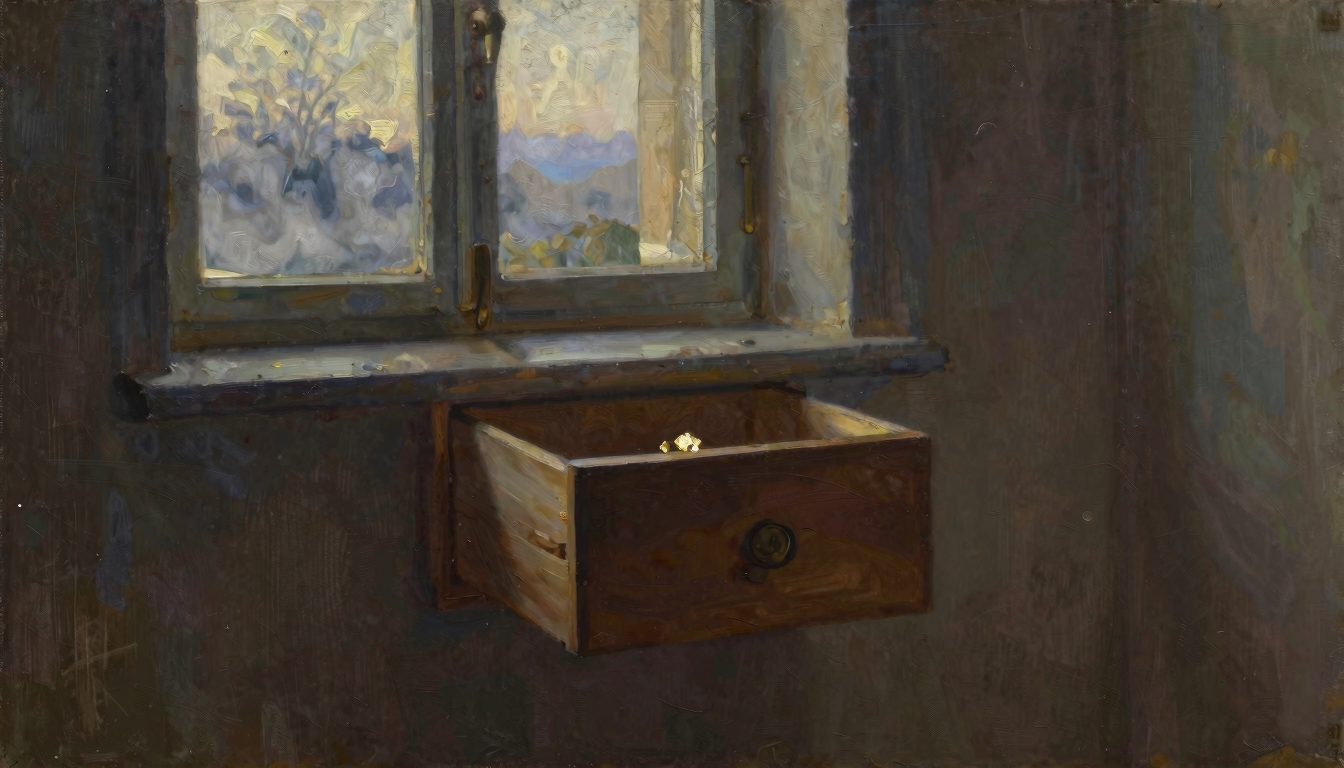
Gold is visually valuable, while a drawer is private and contained. Together they can describe something you regard as important but have not brought into the open: affection, a memory, a hope, a boundary, or an unresolved question. That is a reflective reading, not a verified message from another person. The dream cannot identify the other person’s thoughts or predict contact.
When you are thinking about someone, ask what was being protected. If the drawer felt safe, you may be noticing a wish to preserve a tender memory. If it felt locked or worrying, you may be avoiding a conversation or fearing loss. If you opened it easily, you may be ready to name what matters. These are questions about your experience, not fixed meanings.
A practical relationship reading
Write the exact person, feeling, and unfinished sentence that came to mind on waking. Separate three facts: what happened between you, what you hope will happen, and what you actually know today. Gold cannot turn hope into evidence. Before sending a message, decide whether you need information, an apology, a boundary, or simply a private way to process emotion. Send one clear, respectful question only when a real exchange is appropriate; do not use the dream as proof or pressure.
If the person is a partner, the image may invite a calm talk about trust or shared priorities. If it is an ex, it may mark a memory you still protect rather than a sign of reunion. If it is someone unavailable, the safest meaning is often about your own attachment and closure. In each case, check consent, timing, and observable behavior.
Spiritual and predictive limits
A spiritual interpretation can treat the gold as a personal symbol of worth or a reminder to handle love carefully. No supported evidence in this topic establishes a religious rule, omen, financial result, or destined meeting. Keep spiritual language humble: it may help you reflect, but it cannot forecast another person or replace a direct conversation.
A short reflection exercise
Name the drawer: secrecy, patience, protection, fear, or a memory. Name the gold: the quality or relationship value you do not want to lose. Then choose one grounded action within your control—write an unsent letter, ask a clear question, set a limit, or give yourself time. Revisit the situation after the emotion settles.
Frequently asked questions
Does hidden gold mean the person is thinking about me?
No. The dream cannot verify another person’s thoughts. It may reflect how much value, hope, or unfinished feeling you attach to them. Check real communication and behavior before making a relationship decision.
Is finding gold in a drawer a good sign for love or money?
It is not a reliable prediction of romance or money. Use the image as a prompt to review what you value and where you are withholding a needed conversation, while keeping choices based on evidence.
What if the drawer was locked or I was afraid?
A locked drawer can help you ask what feels difficult to disclose or protect. Fear may point to uncertainty or a need for boundaries. It does not prove betrayal, loss, or a future event.
Can a spiritual meaning confirm that we will reunite?
No. Spiritual reflection cannot confirm reunion or assign another person’s intentions. If contact is welcome and safe, use a simple real-world message; otherwise focus on closure and support.